


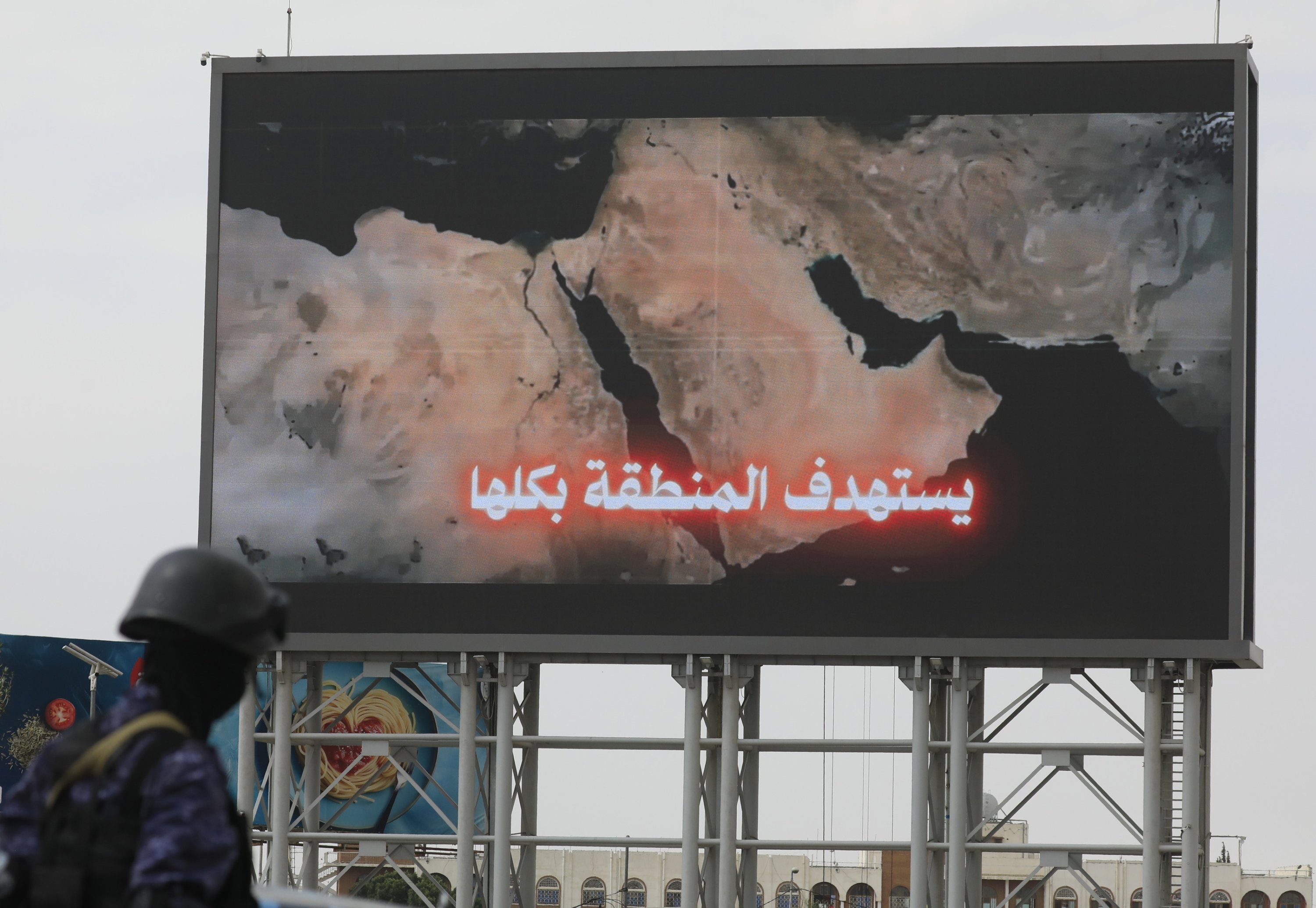
Houthi Attacks Disrupt Vital Red Sea Trade Routes, Eroding Confidence
Translated from English, summarized and contextualized by DistantNews.
At a glance
News
Documents & data
Ongoing story
- The Red Sea, a vital maritime route for 12-15% of global trade, faces increased risk from Houthi attacks.
- Attacks have disrupted oil and LNG shipments, forcing rerouting and increasing voyage times, particularly for LNG carriers.
- While oil tanker traffic shows signs of recovery, renewed attacks have caused significant slowdowns, eroding confidence in navigation security.
The Red Sea, a critical maritime artery connecting Northeast Africa and the Arabian Peninsula, is experiencing heightened security risks due to ongoing Houthi attacks on commercial vessels. This waterway, through which 12% to 15% of global seaborne trade, valued at over $1 trillion annually, passes, is crucial for energy flows between Asia, the Middle East, and Europe.
During the first half of 2025, approximately 4.9 million barrels of oil per day transited the Suez Canal and SUMED Pipeline at the Red Sea's northern end, while around 4.2 million barrels per day passed through the Bab el-Mandeb Strait at the southern entrance. These combined routes accounted for roughly 6% of all seaborne oil trade. The primary concern, however, is not just the volume of oil but the diminishing confidence in the security of navigation.
As Houthi attacks intensified, tanker operators began reassessing risks, leading many energy carriers to abandon the Red Sea route for the longer passage around the Cape of Good Hope. Although crude oil tanker traffic through the Bab el-Mandeb Strait had shown signs of recovery, reaching about 30 vessels daily before renewed attacks in July triggered another sharp decline. Some days saw transits drop to approximately eight vessels per day.
The situation is more complex for liquefied natural gas (LNG) shipping. LNG carriers are particularly sensitive to security risks due to their high cargo value and specialized transport needs. Several LNG shipments from Qatar to Europe have been rerouted, significantly extending voyage durations. The core issue for LNG operators has shifted from route availability to the overall security of passage.
DistantNews Editorial
Originally published by Daily Sabah in English. Translated, summarized, and contextualized by our editorial team with added local perspective. Read our editorial standards.
More Stories



From Our Blog

What Gets Lost (and Found) When News Is Translated

The Critical Role of Diaspora Media in Global News

What Travellers Should Know About Countries with Restricted Press

A Digital Nomad's Guide to Following Local News

How the Same Story Looks Different in Different Countries
