


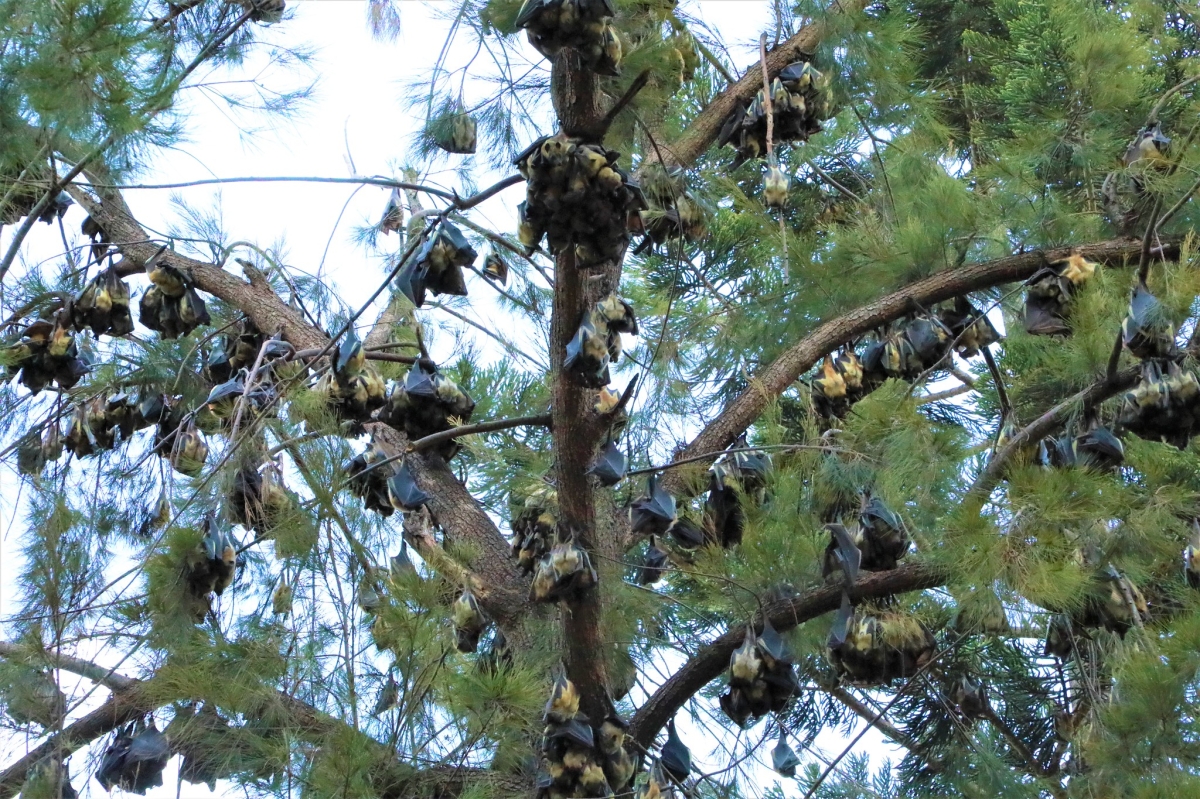
How bat conservation protects people and nature
Summarized and contextualized by DistantNews.
At a glance
In-depth
Sources not specified
Context piece
- Many people fear bats due to misconceptions, but wildlife experts state these fears are often unfounded.
- Conservationists are encouraging communities to reconsider their negative perceptions of bats.
- Protecting bats is crucial for maintaining ecological balance and safeguarding human well-being.
Bats often elicit fear in people, but wildlife experts emphasize that these reactions stem from common misconceptions. Conservationists are actively working to change these negative perceptions, urging communities to understand the vital role bats play in ecosystems. These nocturnal mammals are essential for pollination, seed dispersal, and insect control, contributing significantly to biodiversity and agricultural health.
By dispelling myths and highlighting the ecological benefits of bats, experts aim to foster greater appreciation and support for their conservation. Many bat species face threats from habitat loss, disease, and human persecution. Protecting these creatures is not only about preserving nature but also about safeguarding human interests, as healthy bat populations contribute to pest management and ecosystem stability.
Conservation efforts often involve community engagement, education, and the implementation of protective measures for bat habitats. These initiatives seek to ensure the survival of bat populations while promoting coexistence between humans and wildlife. The message from conservationists is clear: understanding and protecting bats benefits both nature and people.
DistantNews Editorial
Originally published by The New Times. Summarized and contextualized by our editorial team with added local perspective. Read our editorial standards.
More Stories



From Our Blog

What Gets Lost (and Found) When News Is Translated

The Critical Role of Diaspora Media in Global News

What Travellers Should Know About Countries with Restricted Press

A Digital Nomad's Guide to Following Local News

How the Same Story Looks Different in Different Countries
