

How booze became a battleground in the Canada-U.S. trade war
Summarized and contextualized by DistantNews.
At a glance
News
Sources not specified
Context piece
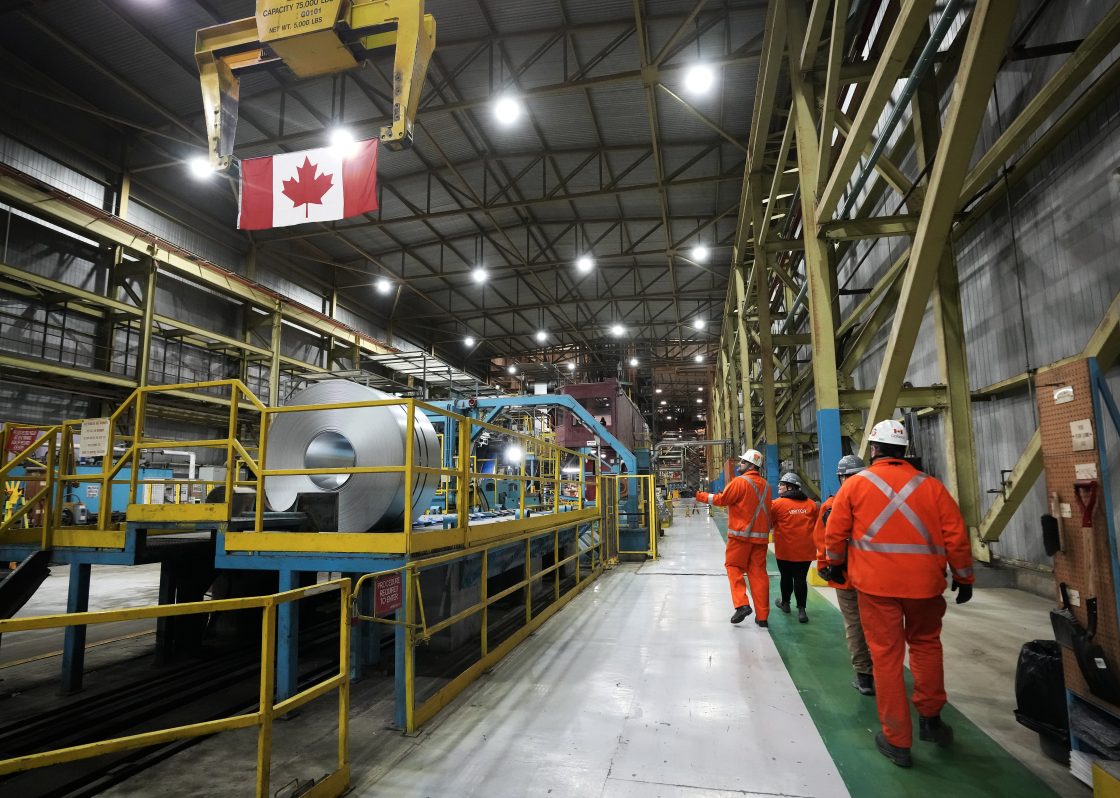
- U.S. President Donald Trump imposed a 50% tariff on most Canadian goods, citing provincial boycotts of American alcohol as a retaliatory measure.
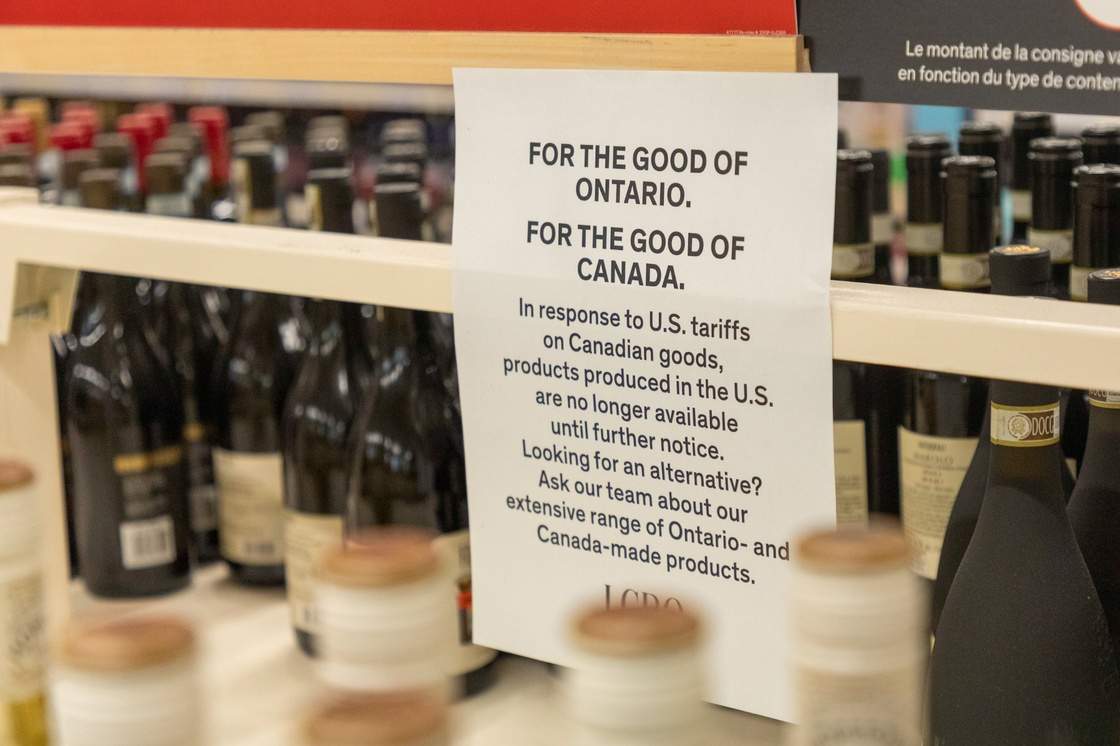
- This action escalated the trade war, with provinces like Alberta and Saskatchewan being exceptions to the alcohol ban.
- The dispute highlights how alcohol became a symbolic battleground, with Canadian officials taking symbolic actions against U.S. alcohol products.
Alcohol has become a surprising focal point in the escalating trade war between Canada and the United States, following U.S. President Donald Trump's imposition of a 50% tariff on most Canadian goods. Trump cited provincial prohibitions on American alcohol sales as a key justification for the retaliatory measures.
As part of the Elbows Up campaign, Canadians quickly looked for something that they could substitute away from the U.S.
The trade dispute intensified as Trump signed executive orders targeting provincial boycotts of U.S. alcohol, Canada's retaliatory tariffs on U.S. vehicles and auto parts, and quotas on American dairy imports. According to Concordia University economist Moshe Lander, American booze was considered "low-hanging fruit" for provinces to target in response to U.S. actions.
Most Canadian provinces, with the exception of Alberta and Saskatchewan, have removed U.S. alcohol from their shelves. This move was part of a broader campaign, dubbed "Elbows Up," where Canadians sought alternatives to U.S. products. Lander noted that substituting Canadian alternatives for American alcohol was relatively easy, given Canada's strong wine, beer, and craft brewery sectors.
We have a huge number of wine-growing regions (in Canada), we’re known for our beer, we have craft breweries, so it’s something that was very easily substitutable and would make an impact.
The symbolic nature of alcohol in this trade conflict was underscored by Ontario Premier Doug Ford. In September 2025, Ford dramatically poured out a bottle of Crown Royal onto the ground to protest the whisky maker's decision to close its provincial bottling facility. "So, you know something? A message to the CEO in France: You hurt my people. I'm going to hurt you," Ford declared at the time, emphasizing the emotional impact of such actions.
So, you know something? A message to the CEO in France: You hurt my people. I’m going to hurt you.
Preetika Joshi, an assistant professor at McGill University, explained that refusing to carry a product sends a stronger message than imposing a tariff. While tariffs increase prices, a refusal to sell eliminates sales entirely, representing a more significant economic hit. This strategy highlights how non-tariff barriers and symbolic gestures are being employed in the ongoing trade dispute.
When you refuse to carry something, it’s much stronger than a tariff because a tariff, you’re saying you can sell it but we’re going to impose a tariff so the price goes up. But when you refuse to sell it, there is no sale so that’s a bigger hit.
DistantNews Editorial
Originally published by Global News. Summarized and contextualized by our editorial team with added local perspective. Read our editorial standards.
More Stories

From Our Blog

What Gets Lost (and Found) When News Is Translated

The Critical Role of Diaspora Media in Global News

What Travellers Should Know About Countries with Restricted Press

A Digital Nomad's Guide to Following Local News

How the Same Story Looks Different in Different Countries
