


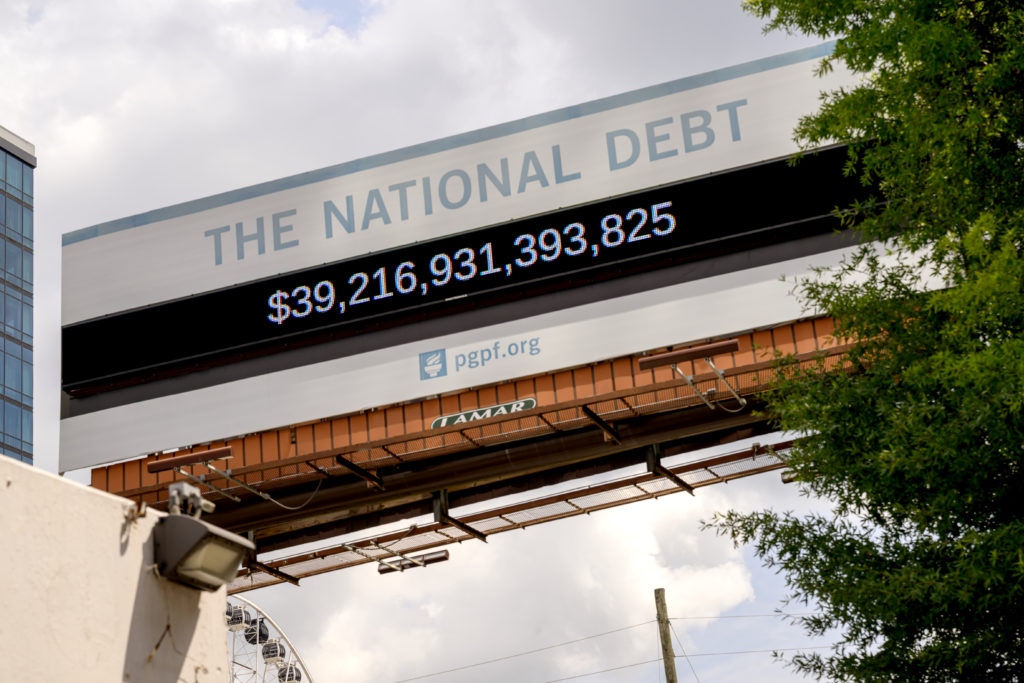
How did U.S. debt hit $40 trillion? Here's what to know
Summarized and contextualized by DistantNews.
At a glance
Explainer
Documents & data
Outcome reported
- The total U.S. public debt surpassed $40 trillion, a milestone reached faster than anticipated.
- Key drivers for the debt increase include unexpected economic shocks like the 2009 recession and the COVID-19 pandemic, alongside political decisions regarding spending and tax cuts.
- The U.S. debt-to-GDP ratio stands at 125.8%, higher than most other nations, though Japan has a significantly higher ratio due to its unique economic circumstances.
The United States' total public debt has surged past $40 trillion, a significant financial marker reached sooner than many projections indicated. This figure encompasses all government debt, including funds owed to trust funds like Social Security, representing a substantial portion of the nation's financial obligations.
The rapid accumulation of debt can be attributed to a combination of unforeseen economic crises and deliberate political choices. Major events such as the 2009 recession and the COVID-19 pandemic triggered substantial increases in government deficits. Following these shocks, deficit levels have remained elevated, influenced by bipartisan decisions to increase spending and tax cuts, which, while intended to stimulate the economy, can impact government revenue.
Comparatively, the U.S. debt-to-gross domestic product (GDP) ratio stands at 125.8%, according to the International Monetary Fund. This means the nation's total debt exceeds its annual economic output. While several countries, including Japan, Singapore, and Italy, have higher debt-to-GDP ratios, the structure and implications of U.S. debt differ significantly, particularly when compared to Japan's long-standing economic challenges and debt management strategies.
Understanding the national debt involves recognizing the various ways it is measured and the factors contributing to its growth. The $40 trillion figure represents the gross debt, a comprehensive measure that includes intergovernmental debt. The interplay of economic downturns and fiscal policy decisions continues to shape the trajectory of the U.S. national debt.
DistantNews Editorial
Originally published by PBS NewsHour. Summarized and contextualized by our editorial team with added local perspective. Read our editorial standards.
More Stories


From Our Blog

How the Same Story Looks Different in Different Countries

What Gets Lost (and Found) When News Is Translated

The Critical Role of Diaspora Media in Global News

What Travellers Should Know About Countries with Restricted Press

A Digital Nomad's Guide to Following Local News
