


How patients can manage cancer fatigue at work and home – and how caregivers can help
Summarized and contextualized by DistantNews.
At a glance
News
Named sources
Context piece
- Cancer fatigue is a persistent, overwhelming tiredness affecting 80-100% of cancer patients, distinct from normal fatigue.
- Causes include tumors consuming energy, immune system responses triggering inflammation, and treatment side effects.
- Managing cancer fatigue involves pacing energy, and caregivers can provide support; symptoms can include brain fog and poor endurance.
For many cancer patients, reaching the five-year mark without cancer recurrence is a significant milestone, earning them the term "in remission." However, the journey to this point, and sometimes beyond, is often marked by persistent tiredness, commonly known as cancer fatigue.
a persistent, overwhelming sense of physical, emotional or cognitive tiredness related to cancer or its treatment
Dr. Tanujaa Rajasekaran, a medical oncologist, defines cancer fatigue as "a persistent, overwhelming sense of physical, emotional or cognitive tiredness related to cancer or its treatment." This condition is remarkably common, affecting an estimated 80% to 100% of individuals with cancer. In some cases, unusual fatigue is the very first symptom that prompts patients to seek medical evaluation.
Cancer fatigue is different from normal tiredness because it is disproportionate to the amount of activity performed, and is often not relieved by adequate rest or sleep.
Unlike ordinary tiredness, cancer fatigue is disproportionate to the activity performed and is often not alleviated by rest or sleep. Symptoms can manifest as brain fog, a feeling of weakness or heaviness, sleep disturbances despite exhaustion, and reduced endurance during physical activity. The duration of this fatigue varies significantly among individuals.
In general, when cancer has been cured and patients are in remission, they should no longer have any cancer fatigue.
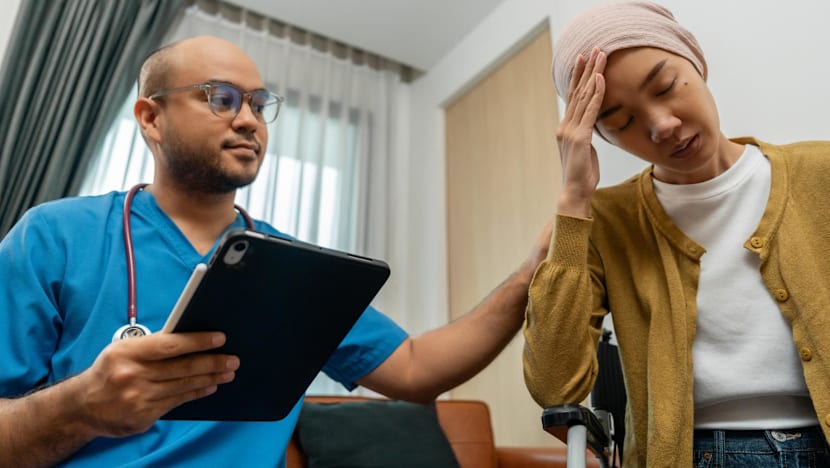
Dr. Amit Jain, a senior consultant at the National Cancer Centre Singapore, notes that cancer fatigue typically improves once the cancer is cured and patients are in remission, or when treatment concludes. However, he cautions that long-term complications from the cancer itself or irreversible treatment side effects can sometimes prolong this tiredness. Patients still experiencing insurmountable fatigue are advised to learn energy-pacing strategies, while friends, family, and colleagues are encouraged to offer support.
Similarly, treatment-related fatigue should improve when a patient is no longer undergoing active treatment. However, “long-term complications from the cancer or irreversible side effects from treatment” can sometimes prolong the tiredness.
DistantNews Editorial
Originally published by CNA. Summarized and contextualized by our editorial team with added local perspective. Read our editorial standards.
More Stories


From Our Blog

What Gets Lost (and Found) When News Is Translated

The Critical Role of Diaspora Media in Global News

What Travellers Should Know About Countries with Restricted Press

A Digital Nomad's Guide to Following Local News

How the Same Story Looks Different in Different Countries
