

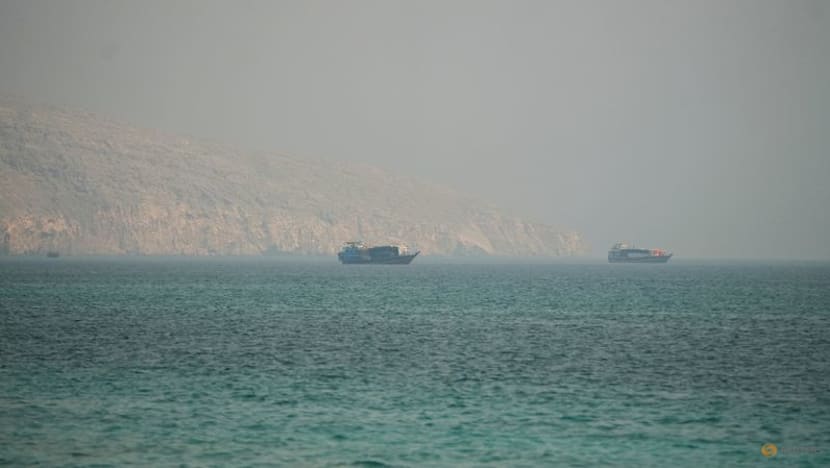

How Russia’s Putin turned Japan into a den of spies
Summarized and contextualized by DistantNews.
At a glance
News
Named sources
Context piece
- Dozens of Russian spies, expelled from Western capitals after the Ukraine invasion, have reportedly relocated to Japan.
- Japan's weak espionage laws and advanced technology sector make it a key hub for Russia to acquire components for its war effort, with Japanese parts found in about 90% of Russian missiles and drones.
- A secretive Russian military intelligence unit, the 20th Directorate, allegedly operates in Tokyo, using cover identities to procure battlefield technology for Russia, despite Japan's official support for Ukraine.
Following the February 2022 invasion of Ukraine, Western nations expelled numerous Russian spies and blacklisted companies linked to the Kremlin to hinder Russia's access to intelligence and critical equipment. However, officials report that many of these expelled spies have since surfaced in Japan.
Japan's lenient espionage laws and its prominent high-tech industry have reportedly made it a vital resource for Russia's ongoing military operations. Ukrainian government estimates suggest that approximately 90 percent of Russian missiles and drones incorporate Japanese components. This reliance on Japanese technology persists despite the war's heavy toll and Russia's continued access to such resources.
At the center of these operations in Tokyo is the clandestine Russian military intelligence unit known as the 20th Directorate. Its officers allegedly pose as diplomats or businesspeople to acquire or steal battlefield technology and smuggle it back to Russia. Officials from five Western intelligence agencies indicate that the operation is overseen by an individual maintaining a cover identity as an employee of the Russian state airline Aeroflot. This individual plays a critical role in supplying Russia's war machine.
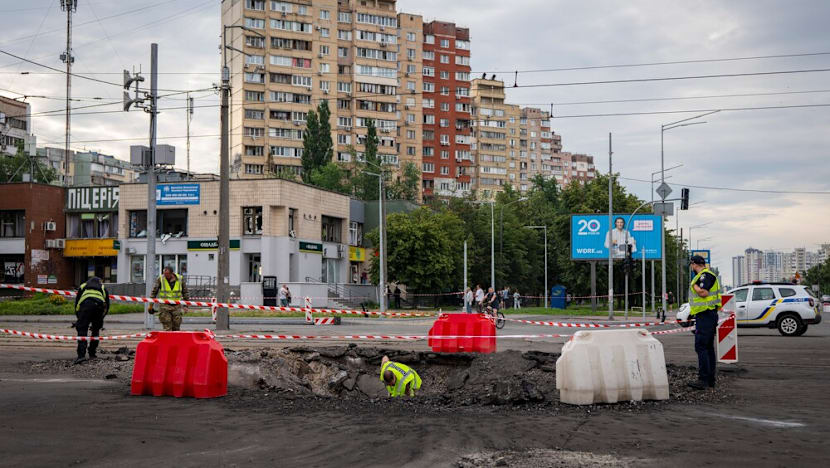
Evidence presented by Ukrainian officials to Japan indicates the use of Japanese technology in Russian attacks. For instance, components identified in a Russian Kh-101 cruise missile that struck a residential building in Kyiv, killing at least 24 people, were reportedly Japanese-made and subject to export bans. Despite its vocal support for Ukraine, the Japanese government has been slow to implement decisive actions against these activities. Japan's intelligence services have historically been constrained by post-World War II regulations, contributing to its reputation as a haven for espionage.
DistantNews Editorial
Originally published by The Straits Times. Summarized and contextualized by our editorial team with added local perspective. Read our editorial standards.
More Stories

From Our Blog

What Gets Lost (and Found) When News Is Translated

The Critical Role of Diaspora Media in Global News

What Travellers Should Know About Countries with Restricted Press

A Digital Nomad's Guide to Following Local News

How the Same Story Looks Different in Different Countries
