


How Singapore’s Ascott grew from its first serviced residence into a global hospitality business
Summarized and contextualized by DistantNews.
At a glance
In-depth
Sources not specified
Context piece
- Singapore-based The Ascott Limited has grown into a global hospitality leader by focusing on serviced residences and flexible living spaces.
- Founded in 1984 with Asia Pacific's first international-class serviced residence, Ascott anticipated the shift towards longer stays and residential comfort before it became mainstream.
- Today, Ascott manages over 1,000 properties in more than 230 cities worldwide, operating under various brands and employing an asset-light management and franchising model.
The Ascott Limited, a Singaporean hospitality company, has carved a unique niche in the global market by pioneering the concept of serviced residences and adapting to evolving traveler needs.
Unlike many traditional hotel groups that expanded into longer-stay options later, Ascott embarked on its journey in 1984 with the opening of The Ascott Singapore, recognized as Asia Pacific's first international-class serviced residence. For over four decades, the company has refined a business model centered on flexibility and residential comfort, anticipating trends like remote working, digital nomadism, and the blurring lines between work and leisure long before they became widespread.
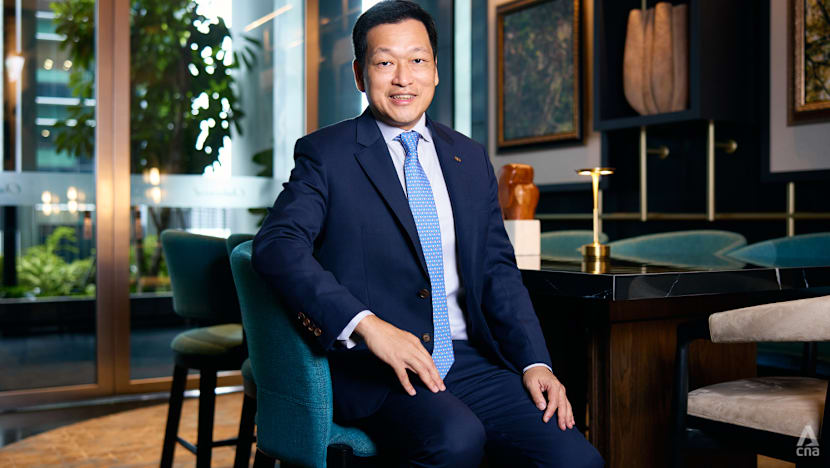
Ascott CEO Kevin Goh attributes the company's success to staying attuned to a fundamental human need: "People away from home want more than a room. They want a space that works around their life." This philosophy, relevant since 1984, has become even more critical in today's world, where travelers increasingly seek accommodations that function as temporary homes.
The company's portfolio now boasts over 1,000 properties strategically located in more than 230 cities across over 40 countries. Ascott's offerings span a diverse range, including traditional serviced residences, social-living properties, and branded residences, operating under well-known brands such as Oakwood, Somerset, Lyf, The Unlimited Collection, and Yello.
While Ascott has achieved significant global scale, its growth strategy is predominantly asset-light. The company focuses on managing and franchising properties rather than direct ownership, allowing for greater flexibility and expansion. Despite its international success, Ascott remains a relatively understated player in its home country, Singapore, even as it continues to innovate in the hospitality sector.
People away from home want more than a room. They want a space that works around their life. That need existed in 1984 and is far more widespread today.
DistantNews Editorial
Originally published by CNA. Summarized and contextualized by our editorial team with added local perspective. Read our editorial standards.
More Stories


From Our Blog

What Gets Lost (and Found) When News Is Translated

The Critical Role of Diaspora Media in Global News

What Travellers Should Know About Countries with Restricted Press

A Digital Nomad's Guide to Following Local News

How the Same Story Looks Different in Different Countries
