

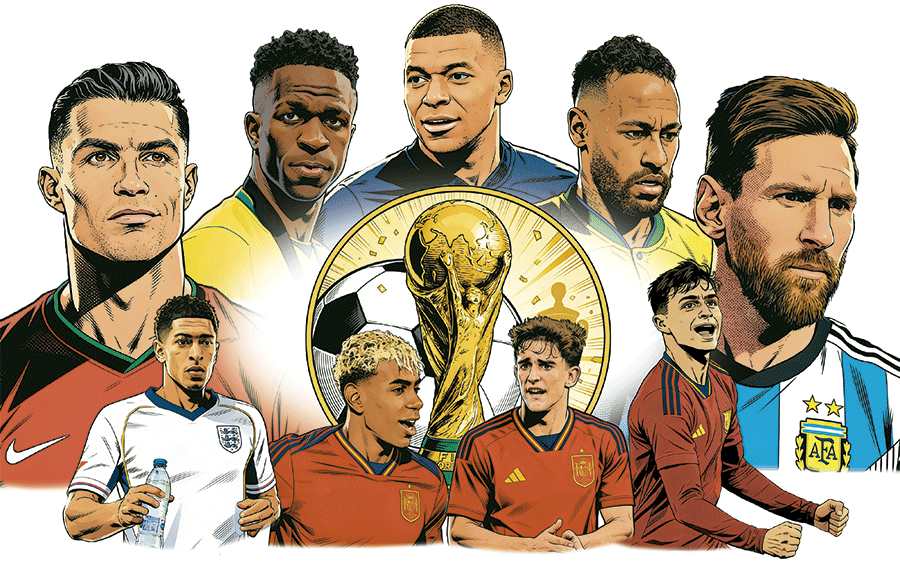
How the 2026 World Cup will mark the end of the era of figures like Messi and Cristiano Ronaldo and the rise of new football stars
Translated from Spanish, summarized and contextualized by DistantNews.
At a glance
News
Named sources
Context piece
- The 2026 World Cup is expected to mark the end of an era for football stars like Lionel Messi and Cristiano Ronaldo.
- New generations of players are emerging to take center stage in international football.
- Player recognition transcends borders, with fans identifying with narratives of perseverance and achievement.
The 2026 World Cup is poised to signify a generational shift in football, potentially marking the twilight of iconic careers like Lionel Messi and Cristiano Ronaldo. As these legends approach the end of their World Cup journeys, a new wave of football stars is emerging, ready to capture the global spotlight.
There is something that Pelé, Zidane, Maradona, Cristiano Ronaldo and Lionel Messi have in common and that very few figures possess, and that is that they are recognized worldwide, regardless of the language, age or geographic location of whoever names them.
Football has a unique ability to create global icons, figures recognized regardless of language, age, or location. Players like Pelé, Zidane, Maradona, Messi, and Ronaldo have transcended the sport, becoming household names worldwide. A study by audience analytics platform Goo highlights that global World Cup conversations are heavily centered on these star players, who function as 'emotional brands' that drive engagement.
For the audiences, and according to the analysis, the World Cup conversation does not revolve around the teams themselves, but focuses on the representative figures.
Sociologist Susana Gómez explains that identification with a player goes beyond geography, rooted instead in their personal narratives. A fan in Guatemala, for instance, might connect deeply with Messi's story of perseverance and redemption, seeing it as their own. Social anthropologist Mauricio Chaulón adds that football fosters identity from a young age, with fans naturally gravitating towards the players who represent the sport at its highest level.
identification with a player transcends borders because it does not depend on geography, but on the narrative.
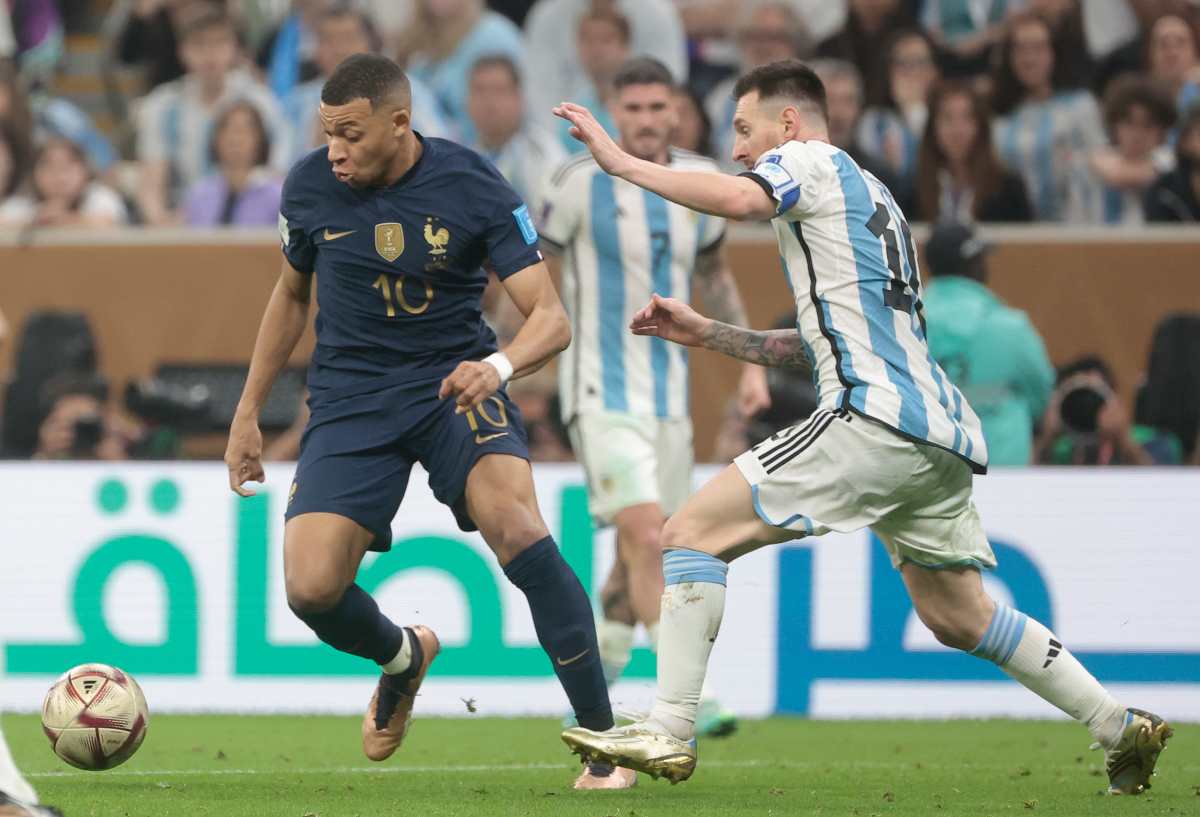
Lionel Messi currently leads social media interactions related to the World Cup, with conversations often tinged with nostalgia and admiration for his historic career. Approximately 80% of the online discussion surrounding Argentina is directly linked to Messi, underscoring his immense influence. This focus on individual stars, rather than solely on national teams, reflects a broader trend in how modern football fandom engages with the sport.
football generates identity in people from an early age, and that sense of belonging is naturally displaced towards the figures that represent that sport in its maximum expression.
DistantNews Editorial
Originally published by Prensa Libre in Spanish. Translated, summarized, and contextualized by our editorial team with added local perspective. Read our editorial standards.
More Stories
From Our Blog

What Gets Lost (and Found) When News Is Translated

The Critical Role of Diaspora Media in Global News

What Travellers Should Know About Countries with Restricted Press

A Digital Nomad's Guide to Following Local News

How the Same Story Looks Different in Different Countries
