

How the earthquake affected entrepreneurs in Cali and the region: “A business can remain standing and still lose its ability to sell”
Translated from Spanish and summarized by DistantNews. Read the original for the full story.
At a glance
News
Documents & data
Ongoing story
- More than 30,000 companies reported damage in areas surveyed by the Cali Chamber of Commerce and Confecámaras after the Aug. 10 earthquake.
- A Fundación WWB Colombia survey of 4,000 entrepreneurs found that 48.7% reported lower sales, while 76.2% were not operating normally and 47.1% had stopped activity.
- The findings show that businesses can suffer prolonged economic losses even when their premises remain usable.
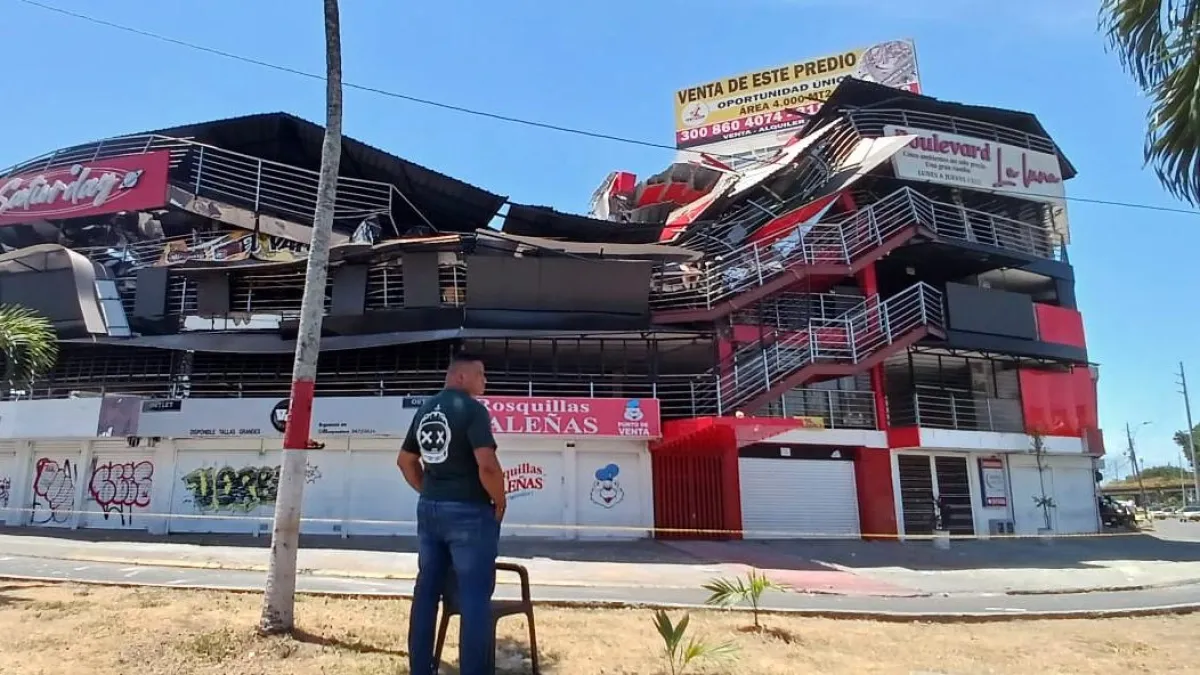
A business does not need to collapse to lose its livelihood after an earthquake. In Cali and other parts of southwestern Colombia, entrepreneurs reported falling sales and disrupted operations even when their premises remained standing.
More than 30,000 companies reported some form of impact through the Cali Chamber of Commerce and Confecámaras’ business impact hotline. In Cali, 63% reported critical damage and 39% said they could not operate.
A Fundación WWB Colombia survey of 4,000 entrepreneurs across 147 municipalities examined the less visible effects of the Aug. 10 earthquake. Nearly half, 48.7%, reported lower sales, while 38% recorded a decline in customer traffic. Others reported losses of inventory or supplies, difficulty obtaining inputs, and damage to machinery and equipment.
A business can remain standing and still lose its ability to sell
The disruption extended beyond physical destruction. Some 76.2% of surveyed businesses were not operating normally, and 47.1% had halted activity. Yet only 11% of premises were considered unusable. The gap indicates why infrastructure repairs alone may not restore income.
The problem is especially acute for microbusinesses. About 71.6% of respondents run their productive activities from their homes. Esneyder Cortés of Fundación WWB Colombia said affected entrepreneurs still needed to recover their ability to sell, obtain supplies and generate income, while coping with the emotional and family effects of the emergency.
What we found is that for many people the problem does not end when they can return to their home or reopen their business. They need to recover the ability to sell, obtain supplies and generate income, while they are still dealing with the emotional and family effects of the emergency. That combination is important when considering how to support recovery
About this summary
Originally published by El Tiempo in Spanish. Translated, summarized, and contextualized automatically by DistantNews, with a note on how the source frames the story. Not individually reviewed before publishing. How this works.
More Stories


From Our Blog

What Gets Lost (and Found) When News Is Translated

The Critical Role of Diaspora Media in Global News

What Travellers Should Know About Countries with Restricted Press

A Digital Nomad's Guide to Following Local News

How the Same Story Looks Different in Different Countries
