


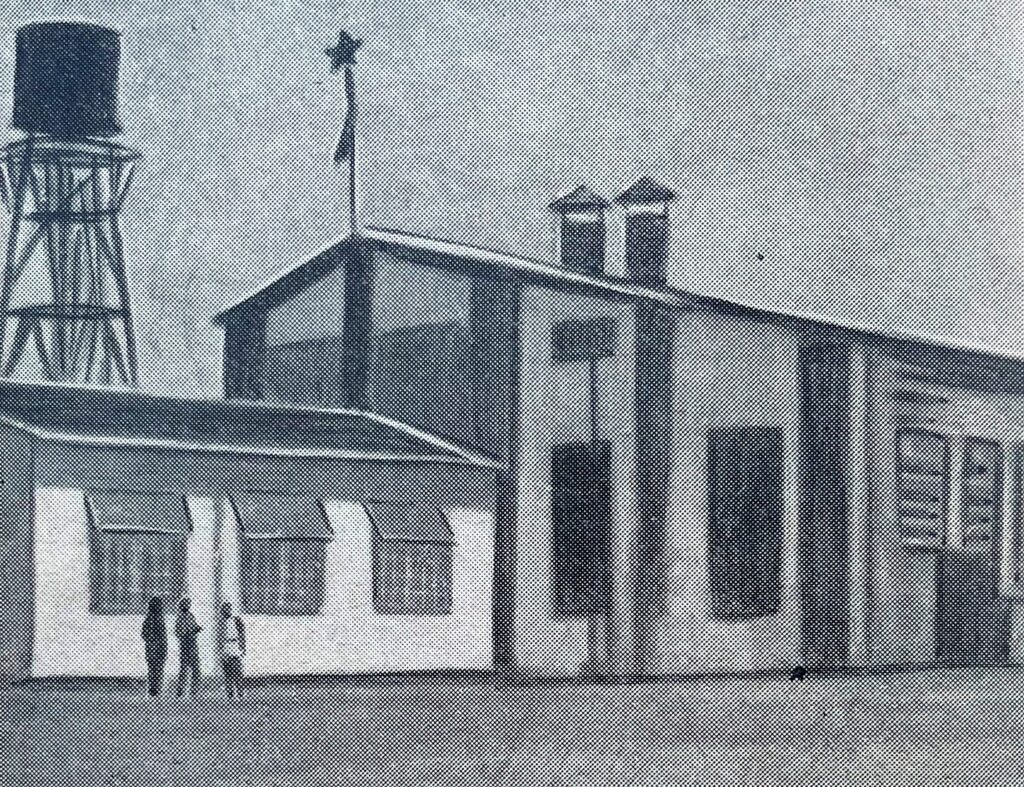
How the Energy Industry Began in Tajikistan 100 Years Ago
Summarized and contextualized by DistantNews.
TLDR
- Tajikistan's energy industry began 100 years ago with the commissioning of its first diesel power station in Dushanbe.
- The country subsequently developed its hydropower resources, constructing numerous hydroelectric power stations over several decades.
- Tajikistan has continued to focus on energy development post-independence, building small hydro stations and larger facilities like Sangtuda HPP-1 and HPP-2.
A century ago, on April 15, 1926, Dushanbe, then known as Dyushambe, received electricity for the first time, marking the birth of Tajikistan's modern energy sector. The inauguration of a 78 kW diesel power station was a pivotal moment, illuminating the capital and paving the way for subsequent energy infrastructure development.
Following this initial step, Tajikistan strategically harnessed its abundant hydropower potential. The construction of the Upper Varzob Hydroelectric Power Station and its cascade, followed by major projects on the Syr Darya and Vakhsh rivers like the Kayrakkum HPP and the Vakhsh Cascade, transformed the nation's energy landscape. These Soviet-era projects, undertaken with significant assistance from the Russian Federation and other republics, laid the foundation for industrial growth and electrification.
Even after gaining independence, Tajikistan has maintained a strong focus on energy development. The construction of hundreds of small hydroelectric power stations and the commissioning of significant facilities such as Sangtuda HPP-1 and HPP-2, alongside Dushanbe TPP-2, demonstrate a continued commitment to energy security and self-sufficiency. The ongoing development, including the ambitious Rogun HPP project, underscores Tajikistan's dedication to leveraging its natural resources for national progress.
DistantNews Editorial
Originally published by Asia-Plus. Summarized and contextualized by our editorial team with added local perspective. Read our editorial standards.
More Stories

From Our Blog

What Gets Lost (and Found) When News Is Translated

The Critical Role of Diaspora Media in Global News

What Travellers Should Know About Countries with Restricted Press

A Digital Nomad's Guide to Following Local News

How the Same Story Looks Different in Different Countries
