


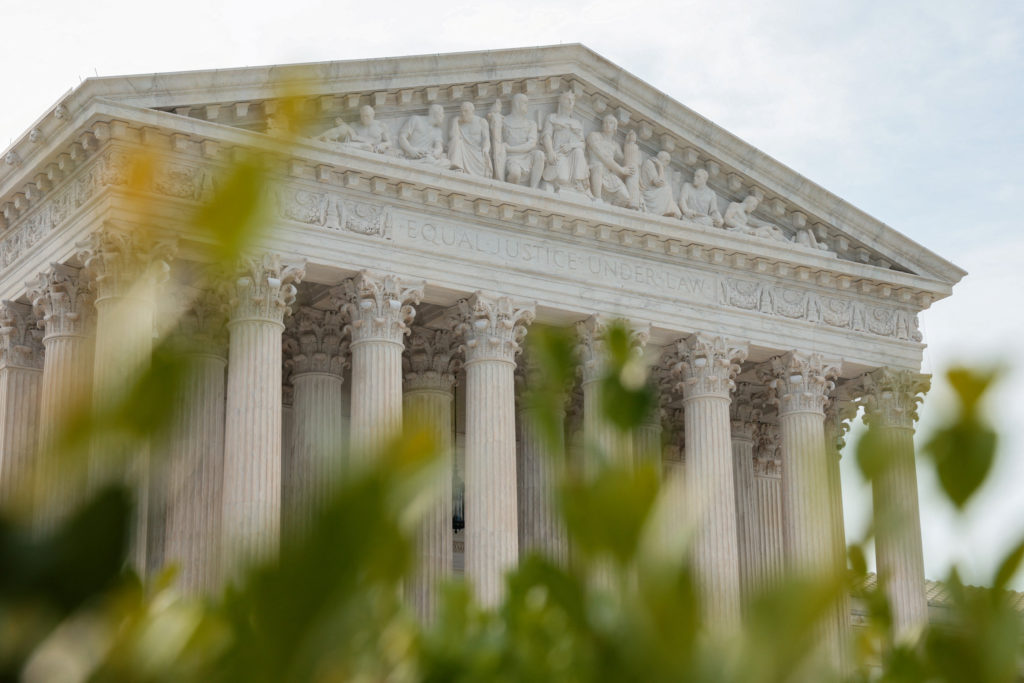
How the Supreme Court decides its cases: A step-by-step guide
Translated from English, summarized and contextualized by DistantNews.
At a glance
Explainer
From a news agency
Context piece
- The U.S. Supreme Court follows a structured, often private, legal process to decide cases.
- Parties initiate cases by filing a writ of certiorari, with a 2% chance of review.
- Justices rely on law clerks and a 'rule of four' in private conferences to select cases for review.
The U.S. Supreme Court's decision-making process is a highly structured and often opaque routine, beginning long before a landmark ruling hits the headlines. As a legal scholar explains, understanding this procedure is key to grasping how the nation's highest court shapes policy.
The process starts when parties bring cases to the court, typically after losing in lower courts. They file a writ of certiorari, asking the Supreme Court to review the case. Interest groups can also submit amicus curiae briefs to signal a case's national importance. Despite around 4,000 petitions annually, the court selects fewer than 80 cases, making the odds of review approximately 2%.
To manage this volume, justices depend on law clerks who prepare memos on each petition. The justices then convene in private conferences, where the "rule of four" applies: at least four of the nine justices must agree to hear a case. Following these conferences, the court announces which cases have been granted or denied certiorari. For denied cases, the lower court's decision stands; for granted cases, the process moves to the merits stage, involving extensive legal briefs and oral arguments.
This detailed, step-by-step guide demystifies the court's internal workings, from the initial petition to the final decision. It highlights the gatekeeping rules, private deliberations, and rigorous legal exchanges that define how the court tackles high-stakes cultural and political battles.
DistantNews Editorial
Originally published by PBS NewsHour in English. Translated, summarized, and contextualized by our editorial team with added local perspective. Read our editorial standards.
More Stories



From Our Blog

How the Same Story Looks Different in Different Countries

What Gets Lost (and Found) When News Is Translated

The Critical Role of Diaspora Media in Global News

What Travellers Should Know About Countries with Restricted Press

A Digital Nomad's Guide to Following Local News
