


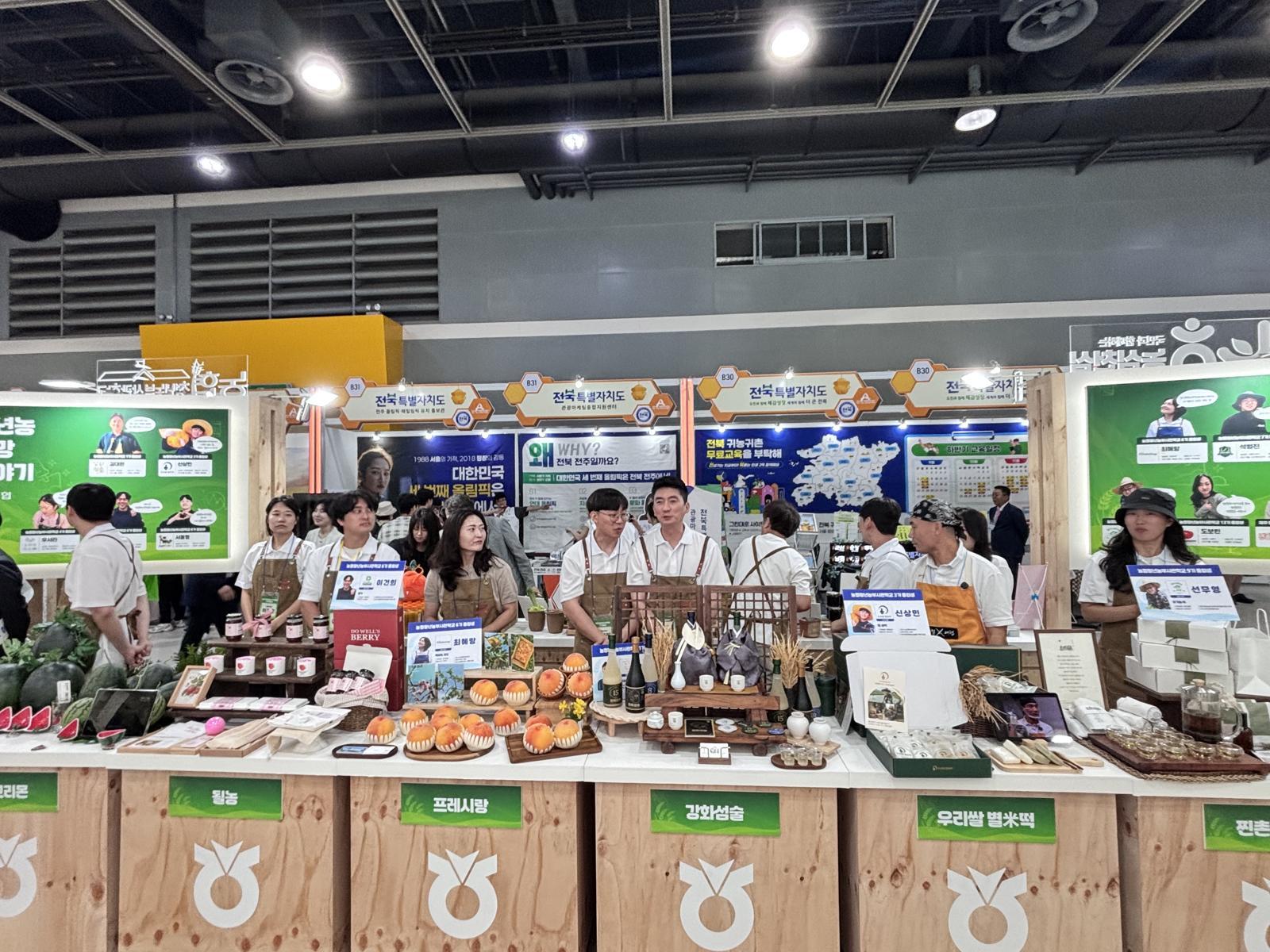
How to become a young farmer: South Korea’s training school now builds farm managers
Translated from Korean and summarized by DistantNews. Read the original for the full story.
At a glance
In-depth
Named sources
Context piece
- NongHyup’s Young Farmer Academy, founded in 2018, has trained 646 graduates through 12 cohorts and will teach 90 young people this year.
- The four-month, 440-hour programme covers crop production, farm finance, management, business planning, marketing and sales for strawberries, tomatoes and leafy vegetables.
- NongHyup is placing more emphasis on helping graduates establish farms, with about 80% of last year’s graduates reportedly settling into actual agricultural work.
For South Korea’s aspiring young farmers, learning how to grow crops is only the beginning. They must also secure land, build facilities, find financing and sell what they produce.
NongHyup is reshaping its Young Farmer Academy around those demands. The programme, which began in 2018, has produced 646 graduates through 12 cohorts as of 2024. Its 14th cohort will train 90 people this year in strawberries, tomatoes and leafy vegetables.
When managing agriculture, you must decide everything from how to secure and spend farming funds to how to sell your produce and generate profit.
The academy accepts people under 45 who plan to start farms. Applicants do not need an agricultural degree or previous farming experience. About half of the students typically have no close connection to agriculture, while the rest include prospective return-to-farm residents and farming heirs. Some come from city jobs.
The programme now focuses more closely on individual crops than its earlier, broad agricultural curriculum. Students choose a crop and spend about four months completing 440 hours of introductory lessons, crop-specific theory, field training at leading farms and advanced work on business plans. The course also covers financing, farm administration, marketing and sales.
It is important to help young people quickly understand what decisions they need to make during that process.
NongHyup says the goal has shifted from attracting young people to helping them remain in agriculture. About 80% of last year’s 13th-cohort graduates reportedly settled into actual farming. The centre estimates that establishing a stable production base usually takes about five years, but intensive training, practice and mentoring could reduce that period to around three.
The obstacles remain substantial. Greenhouse and smart-farm projects require large initial investments, and policy loans may not cover all needs. Finding affordable farmland in a preferred area is also difficult. The centre is building support after graduation through networks, model farms where newer farmers can learn from experienced graduates, and sales initiatives such as a market for graduates’ processed foods.
The centre cannot sell all the agricultural products produced by its graduates.
About this summary
Originally published by Dong-A Ilbo in Korean. Translated, summarized, and contextualized automatically by DistantNews, with a note on how the source frames the story. Not individually reviewed before publishing. How this works.
More Stories

From Our Blog

What Gets Lost (and Found) When News Is Translated

The Critical Role of Diaspora Media in Global News

What Travellers Should Know About Countries with Restricted Press

A Digital Nomad's Guide to Following Local News

How the Same Story Looks Different in Different Countries
