


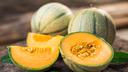
How to Pick the Perfect Sweet and Juicy Melon
Translated from Croatian, summarized and contextualized by DistantNews.
At a glance
In-depth
Sources not specified
Context piece
- Experts offer tips for selecting a ripe, sweet, and juicy melon.
- Melons do not ripen after being picked, making selection at the point of purchase crucial.
- Key indicators include visual inspection, weight, firmness, and smell.
Summer fruit selections can often feel like a gamble, with the disappointment of cutting into a melon only to find it pale and flavorless being a common summer letdown. However, choosing the perfect melon is a skill that can be learned, relying on a combination of senses rather than luck.
Unlike fruits like bananas that ripen after picking, melons do not sweeten further once harvested. Therefore, selecting a ripe specimen at the market or store is paramount. Visual cues are the first step: avoid melons with shiny, bright green rinds, opting instead for those with a dull, creamy beige or golden-yellow base. Greenish tones signal an unripe fruit. For netted varieties like cantaloupe, the netting should be dense, pronounced, and slightly raised; a smooth surface indicates immaturity. Inspect the stem end for a smooth, clean, and slightly indented "belly." A rough stem attachment suggests the melon was forcibly removed before it was ready, impacting its flavor. Ensure the melon is symmetrical and free from damage, cracks, or soft, dark spots.
Malice ljetnih razočaranja većih od onog trenutka kada, puni iščekivanja, zarežete dinju samo da biste otkrili blijedo, tvrdo meso bez trunke slatkoće.
Weight is a reliable indicator of juiciness. A ripe melon should feel heavy for its size, packed with juice and sugar. If it feels surprisingly light, it's likely dry and tasteless inside. Comparing two melons of similar size, one in each hand, and choosing the heavier one is a recommended technique. Gently press the end opposite the stem; it should yield slightly but remain elastic. A rock-hard end means the melon is raw, while excessive softness indicates overripeness and a mushy texture. The entire fruit should feel firm but not overly hard.
The most reliable test for ripeness is smell. Bring your nose to the blossom end and inhale deeply. A perfect melon emits a sweet, intense, fruity aroma with a subtle musky note reminiscent of honey. A faint smell suggests undeveloped sugars, while an overly strong, sour, or alcoholic scent signals overripeness and the beginning of fermentation. A gentle tap on the rind can also provide clues, with a ripe melon producing a distinct sound.
Zreli dinja trebala bi imati zagasitu, kremasto bež ili zlatno-žutu podlogu.
DistantNews Editorial
Originally published by Večernji List in Croatian. Translated, summarized, and contextualized by our editorial team with added local perspective. Read our editorial standards.
More Stories



From Our Blog

What Gets Lost (and Found) When News Is Translated

The Critical Role of Diaspora Media in Global News

What Travellers Should Know About Countries with Restricted Press

A Digital Nomad's Guide to Following Local News

How the Same Story Looks Different in Different Countries
