



Hu Tieu Mi Gia: A Generational Taste of Chinese Flavor in Saigon
Translated from Vietnamese and summarized by DistantNews. Read the original for the full story.
At a glance
News
Named sources
Context piece
- A series explores the history and cultural significance of Hu Tieu Mi Gia, a noodle dish with Chinese origins, in Saigon before 1975.
- The article recounts memories of enjoying the dish at various eateries, highlighting the distinct flavors of Chinese-style Hu Tieu compared to other regional variations.
- It delves into the culinary traditions of the Chinese community in Saigon and the evolution of the noodle dish.
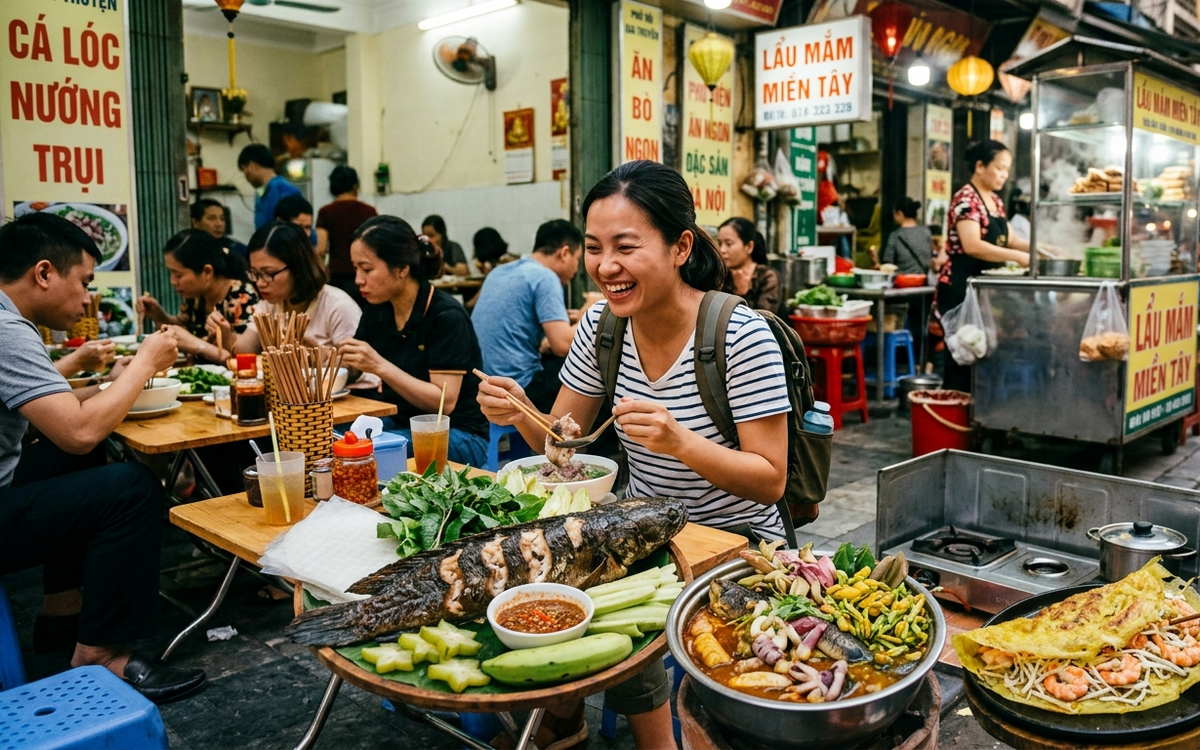
This installment of our series delves into the rich tapestry of Saigon's culinary past, focusing on the beloved Hu Tieu Mi Gia. Before 1975, the streets of Saigon were alive with the aroma of these delicious noodle dishes, a legacy brought by the Chinese community.
Eating Hu Tieu without tasting the one cooked by Chinese people is like eating Pho without distinguishing the difference between Saigon Pho and Hanoi Pho.
We hear from Mrs. Tran Thi Hien, who fondly recalls her father taking her and her siblings to various eateries, from the bustling center of Saigon to the historic Chinese quarter of Cholon. Her father, a man of refined taste, emphasized the importance of experiencing Chinese-style Hu Tieu to truly appreciate the dish, much like understanding the nuances between Northern and Southern Pho.
Eating Hu Tieu without tasting all types like Nam Vang, My Tho, and especially from the Chinese, one cannot say they have fully tasted the delicacy. Because the origin of Hu Tieu belongs to Chinese migrants who drifted to this land.
Her memories paint a vivid picture of establishments like Hai Ky on Nguyen Tri Phuong street, renowned for its flavorful Hu Tieu Thap Cam. The abundance of fresh river prawns and the distinct taste of pork from that era are fondly remembered. The article also touches upon the diverse 'schools' of Hu Tieu preparation among the Chinese community, with subtle differences in naming and ingredients, reflecting a deep-rooted culinary heritage.
Back then, I didn't quite understand my father's meaning, but I really liked the Chinese restaurants like Hai Ky on Nguyen Tri Phuong street, where my father and I used to sit often before 1975.
About this summary
Originally published by Tuổi Trẻ in Vietnamese. Translated, summarized, and contextualized automatically by DistantNews, with a note on how the source frames the story. Not individually reviewed before publishing. How this works.
More Stories

From Our Blog

News in Translation: What Gets Lost, and How We Keep the Framing

Diaspora Media: How Communities Abroad Follow Home

Traveling Where the Press Is Not Free: How to Read the News There

The Digital Nomad's Guide to Local News

The Same Story, Different Countries: How Coverage Changes at the Border
