


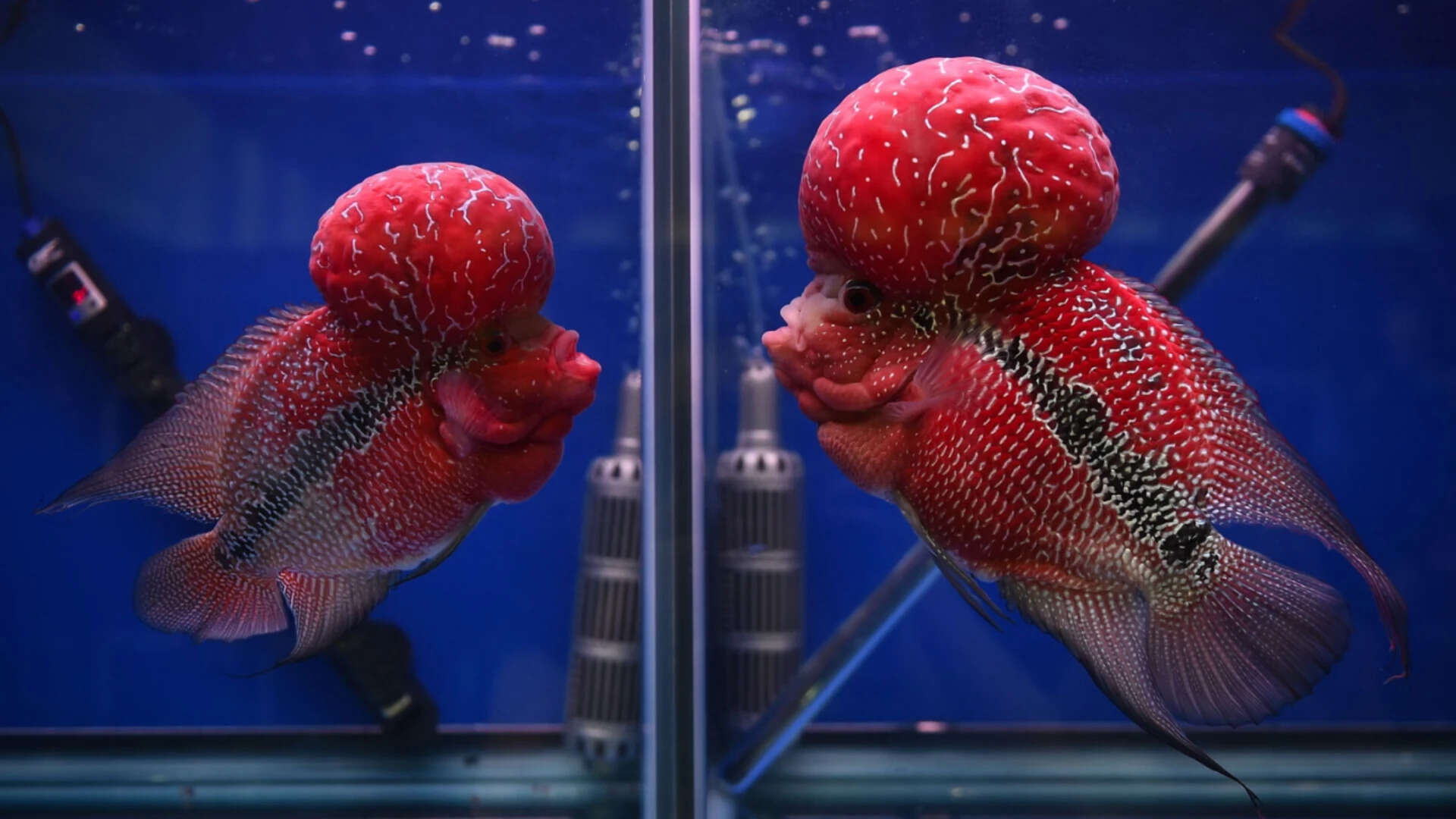
Human-bred aquarium fish invades Philippines crater lake, threatening native species
Translated from English, summarized and contextualized by DistantNews.
At a glance
News
Sources not specified
Context piece
- Flowerhorn cichlids, a species bred for aquariums, have been found in Lake Sampaloc, a crater lake in the Philippines.
- These invasive fish pose a threat to the native ayungin fish and local aquaculture by competing for resources and potentially spreading disease.
- Experts warn of the rapid expansion of this domesticated species in a natural habitat, highlighting a broader global concern about escaped pets impacting ecosystems.
A human-bred aquarium fish, the flowerhorn cichlid, has established itself in Lake Sampaloc, a crater lake in the Philippines, raising significant environmental concerns. These brightly colored fish, popular in the aquarium trade, are now disrupting the delicate balance of the local ecosystem.
The presence of flowerhorn cichlids poses a substantial threat to native species, particularly the ayungin fish. Experts note that the invasive cichlids compete aggressively for food and space, potentially outcompeting and displacing the indigenous fish. This competition also impacts local aquaculture operations, which rely on the health of the lake's natural resources.
Beyond resource competition, scientists are alarmed about the potential for disease transmission. Introduced species can carry pathogens that native wildlife has no immunity against, leading to further ecological damage. The rapid expansion of the flowerhorn cichlid population in Lake Sampaloc underscores a pressing global issue: the unintended consequences of domesticated animals entering natural habitats.
This situation in the Philippines serves as a stark reminder of the broader challenge posed by escaped or released pets. As these species adapt and thrive in new environments, they can cause irreversible harm to native biodiversity and disrupt established ecosystems, prompting calls for stricter regulations and public awareness campaigns.
DistantNews Editorial
Originally published by Times of India in English. Translated, summarized, and contextualized by our editorial team with added local perspective. Read our editorial standards.
More Stories


From Our Blog

What Press Freedom Means for the News You Read

What Gets Lost (and Found) When News Is Translated

The Critical Role of Diaspora Media in Global News

What Travellers Should Know About Countries with Restricted Press

A Digital Nomad's Guide to Following Local News
