


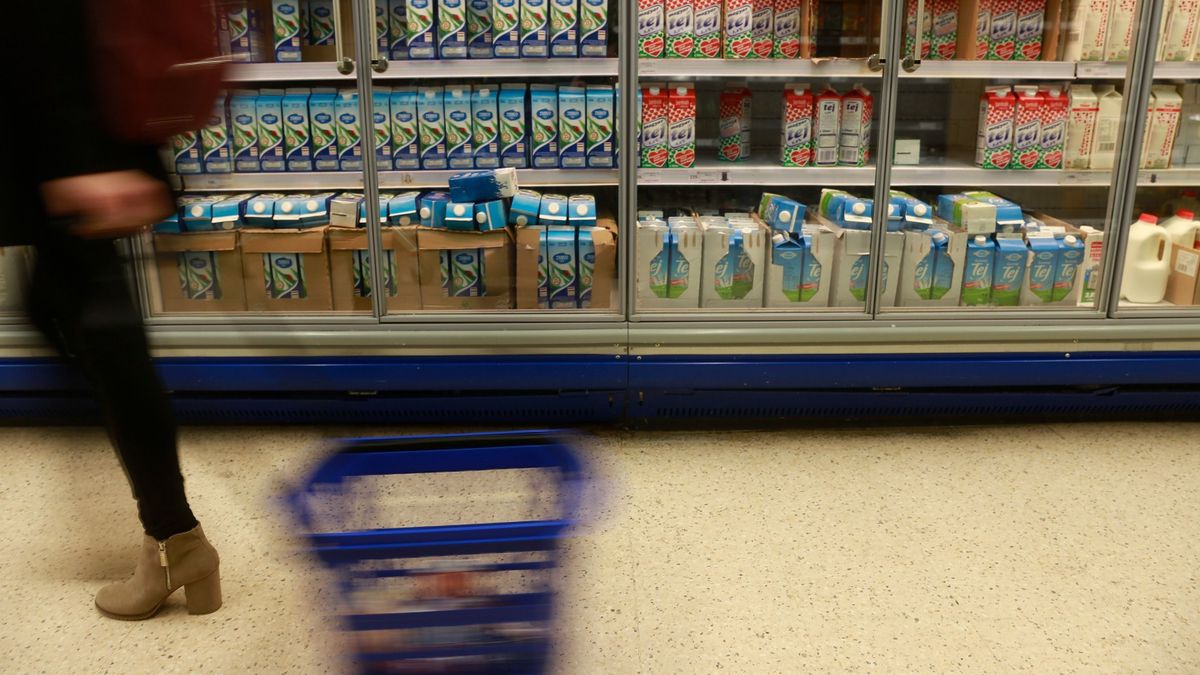
Hungarian dairy sector squeezed by import prices and domestic challenges
Translated from Hungarian, summarized and contextualized by DistantNews.
At a glance
News
Named sources
Context piece
- Hungary's dairy sector faces significant challenges, particularly in the cheese market, with imports rising 30% over three years.
- German hard cheeses are undercutting domestic products, creating a difficult price gap for Hungarian producers.
- Developing higher value-added products like milk powder and aged cheeses is seen as a way to boost the sector, but investment is hampered by low milk prices and liquidity issues.
Hungary's dairy sector is grappling with a crisis, most acutely felt in the cheese market, where imports have surged by approximately 30% over the past three years. German semi-hard cheeses like Gouda and Edam are being sold at wholesale prices around 3.4 euros per kilogram. This significantly undercuts Hungarian trappista cheeses, which have an average producer price of 1900–2000 forints (about 5.5 euros) per kilogram, making it nearly impossible for domestic processors to compete.
"There is no patriotism and no marketing that can offset such a price difference," stated Istvánfalvi Miklós, highlighting the severe economic pressure. Recent data shows a substantial increase in imports of sour milk products, butter, cheese, and curd, with Gouda and Edam imports leading the rise, while packaged milk imports decreased by about 8%.
Analysts suggest that increasing the production of higher value-added products from domestic milk is crucial for the sector's survival. This includes developing capabilities for milk powder production and aged cheeses, which could absorb surplus milk during peak production periods and generate greater revenue. However, the current low milk purchase prices are severely impacting farm liquidity, diverting focus from development to mere survival.
Beyond market pressures, the dairy industry faces challenges from climate change and labor shortages. Extreme summer heat can reduce milk yield and quality, making modern cooling systems essential for production stability. Simultaneously, a lack of labor necessitates investment in automation for milking, feeding, and climate control, but these upgrades require significant capital, a difficult prospect when farms are already financially strained.
Nincs az a hazaszeretet és nincs az a marketing, amely ellensúlyozni tudna ekkora árkülönbséget.
DistantNews Editorial
Originally published by Magyar Nemzet in Hungarian. Translated, summarized, and contextualized by our editorial team with added local perspective. Read our editorial standards.
More Stories


From Our Blog

Countries Without a Free Press: What You Need to Know

What Press Freedom Means for the News You Read

What Gets Lost (and Found) When News Is Translated

The Critical Role of Diaspora Media in Global News

What Travellers Should Know About Countries with Restricted Press
