

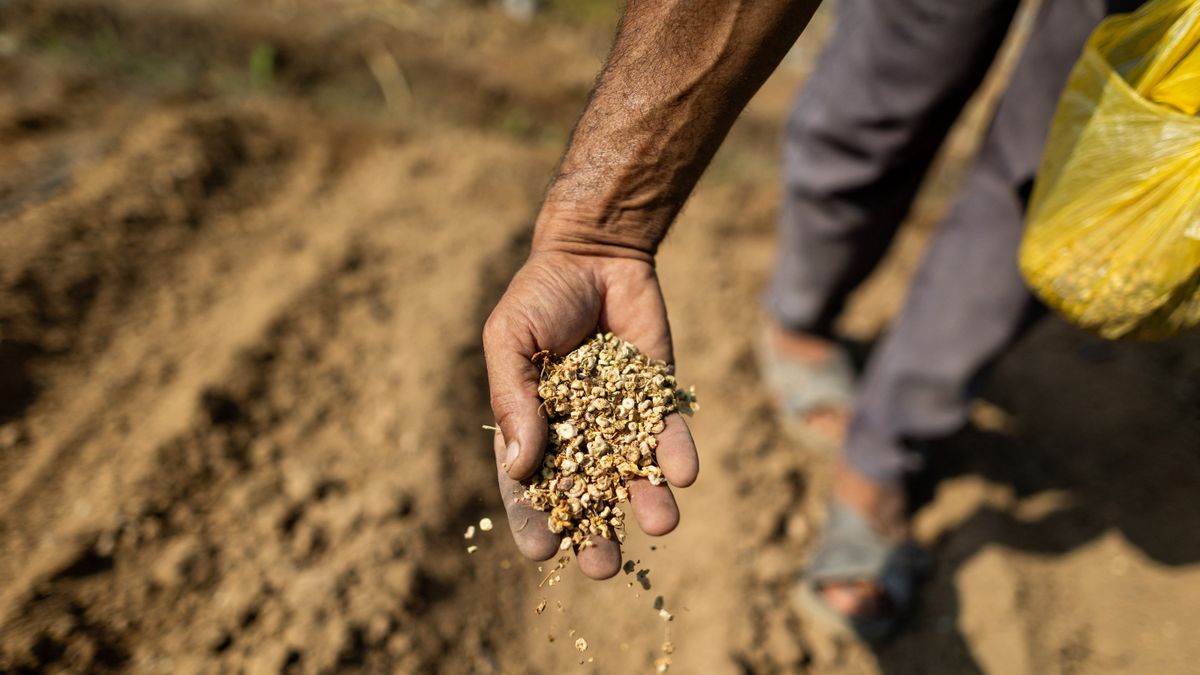
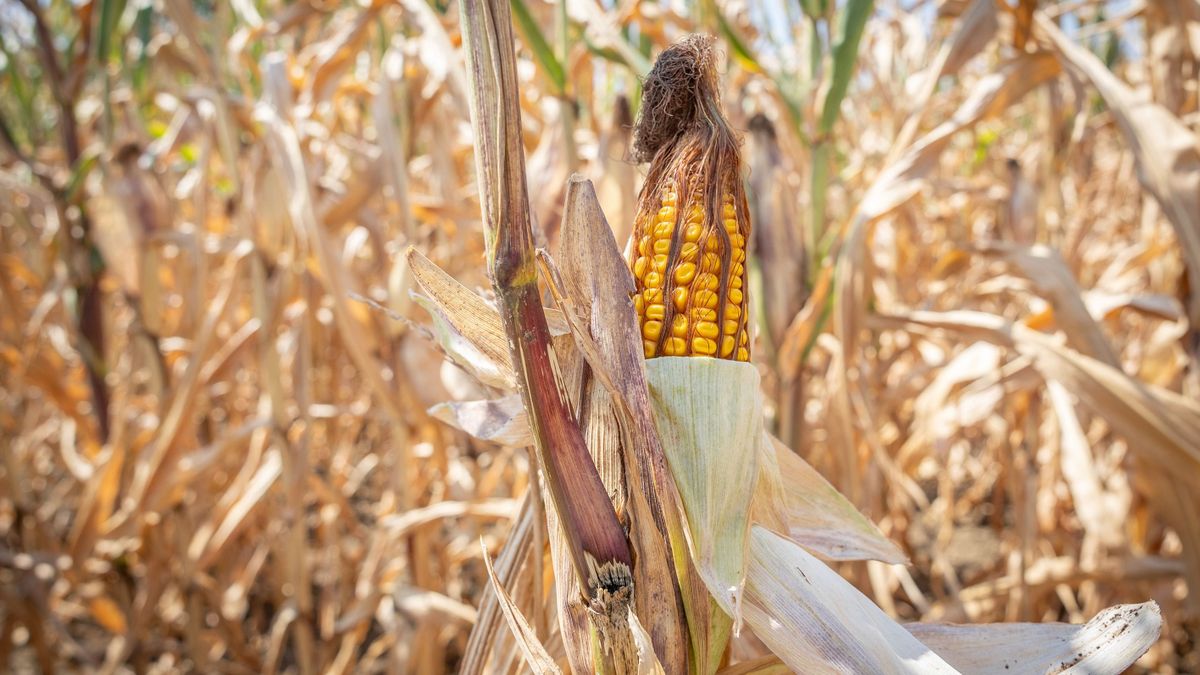
Hungarian Farmers Await Government Aid Amid Severe Drought
Translated from Hungarian and summarized by DistantNews. Read the original for the full story.
At a glance
News
Sources not specified
Context piece
- Hungarian farmers are experiencing severe drought damage, with limited information available regarding government aid for this year's losses.
- Nearly 4 billion forints ($10.8 million euros) from the EU agricultural crisis reserve is available, but only for 2025 drought damages affecting corn producers with over 30% yield reduction.
- Applications for the EU funds opened on July 22, leaving farmers uncertain about immediate support for the current year's devastating crop losses.
Hungarian farmers are grappling with extensive damage caused by a severe drought, yet they face uncertainty regarding government assistance for the current year's losses. While the agricultural sector has been hit hard, concrete information on national support measures remains elusive.
Farmers can access approximately 10.8 million euros (nearly 4 billion forints) from the EU's agricultural crisis reserve. However, this funding is specifically designated for drought damages incurred in 2025. Furthermore, it is restricted to corn producers who have experienced a yield reduction exceeding 30 percent. Applications for these EU funds began on July 22.
The lack of immediate information on support for the current year's devastating drought impacts leaves many farmers in a precarious position. The scale of the damage to Hungary's agriculture is likely substantial, raising concerns about the sector's resilience and the economic well-being of those dependent on it.
Unlike several other European countries that have allocated state funds to support their agricultural sectors during this challenging period, Hungary's specific national aid measures for the current drought remain unclear. This situation highlights a potential gap in immediate relief for farmers facing significant crop failures and financial hardship.
About this summary
Originally published by Magyar Nemzet in Hungarian. Translated, summarized, and contextualized automatically by DistantNews, with a note on how the source frames the story. Not individually reviewed before publishing. How this works.
More Stories


From Our Blog

Countries Without a Free Press: What You Need to Know

What Press Freedom Means for the News You Read

What Gets Lost (and Found) When News Is Translated

The Critical Role of Diaspora Media in Global News

What Travellers Should Know About Countries with Restricted Press
