

Hungarian Gas Stations Sue Government Over Alleged Unfair Pricing
Translated from Hungarian, summarized and contextualized by DistantNews.
At a glance
News
Sources not specified
Context piece
- Independent gas station owners in Hungary are suing the government, alleging unfair market practices that favor the state-owned oil company MOL.
- They claim that artificially low retail prices, set by government intervention rather than market forces, are eroding their profit margins and threatening their businesses.
- Concerns are also raised about potential fuel shortages due to logistical issues affecting supply chains.
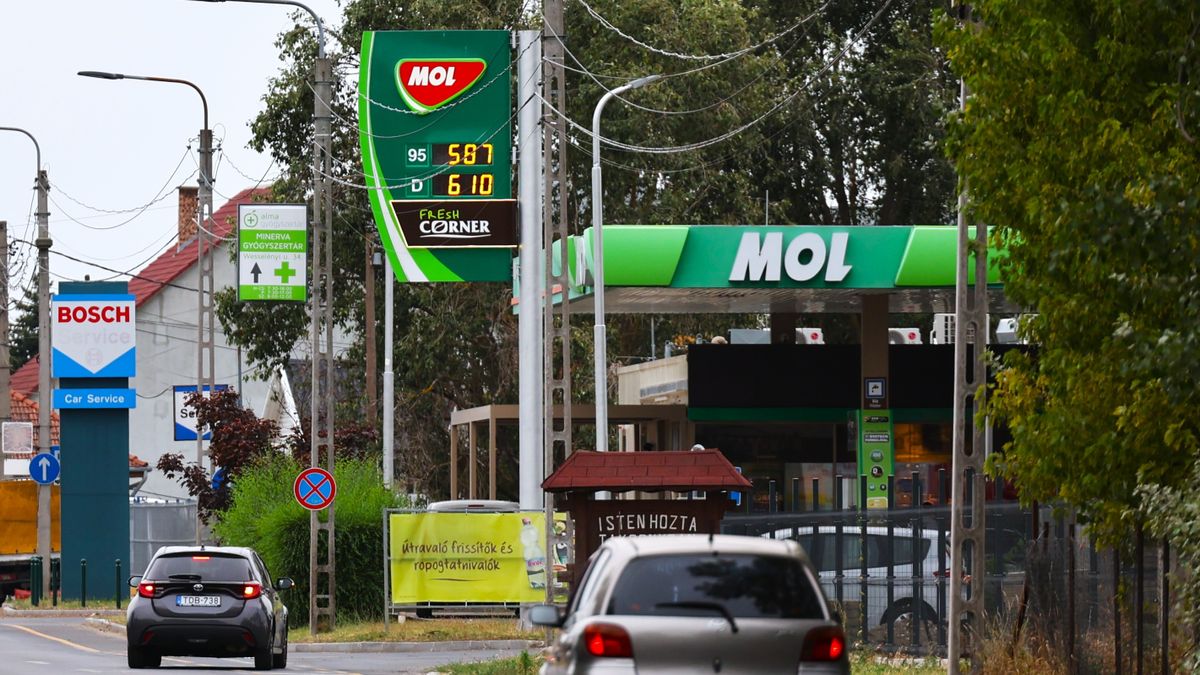
Independent gas station owners in Hungary are taking legal action against the government, accusing it of creating an unfair market environment that benefits the state-owned oil company, MOL. Experts argue that the government's intervention in fuel pricing, preventing market forces from dictating costs, is leading to unsustainable business conditions for smaller operators.
The market could price freely if international oil price movements could be applied, but they stop at the country's border. We are seeing unnatural pricing, as Mol has raised wholesale prices twice this week, and we are at a point where the retail profit margin is disappearing.
According to Egri Gábor, an expert cited in the report, the market is not operating freely as promised. He states that international oil price fluctuations are not being reflected at the national level, resulting in "unnatural" pricing. MOL has reportedly raised wholesale prices twice in a week, squeezing the retail profit margin to the point where stations face operating at a loss as their inventory depletes. While companies with refineries might absorb such losses due to refinery margins, family-owned small and medium-sized enterprises, which constitute 30% of the domestic fuel market, are reportedly being pushed towards bankruptcy, potentially paving the way for larger corporations.
Questions are being raised about the government's commitment to market economy principles, the dismantling of monopolies, and support for small and medium-sized businesses, which were campaign promises. The expert finds it peculiar that the prime minister discusses expected retail fuel prices, suggesting a direct government influence that undermines free market competition. This situation is seen not only as detrimental to Hungarian small gas stations but also as a potential violation of EU principles regarding the free movement of goods and services, creating a monopolistic position for MOL and potentially utilizing strategic reserves at the expense of smaller businesses.
Where is the market economy's return to Hungary, the promotion of monopoly dismantling, and support for small and medium-sized enterprises promised during the campaign?
Adding to the concerns are potential fuel shortages. Many station owners report receiving insufficient or no diesel from their suppliers. Logistical challenges, including low water levels on the Danube River hindering fuel transport from OMV's refinery in Schwechat, Austria, and railway maintenance delaying shipments from the Orlen group in the Czech Republic, are exacerbating supply issues. Data from the Hungarian Hydrocarbon Stock Association shows a significant withdrawal of diesel from strategic reserves in a short period, though the reasons and beneficiaries remain unclear.
We find it strange that the prime minister discusses the expected free market retail fuel prices at a press conference. This is not only about disadvantaging Hungarian small gas stations but also seriously violates one of the fundamental principles of the European Union, which concerns the free movement of goods and services.
In response, the Ministry of Economic and Energy (GEM) stated that strategic fuel reserves have doubled since March, ensuring supply security. However, they emphasized the need for continued stockpiling due to increasing international risks and the importance of maintaining security reserves.
The strategic fuel reserve has doubled compared to the low point in March, so the fuel supply in Hungary is secure, but we must stockpile.
DistantNews Editorial
Originally published by Magyar Nemzet in Hungarian. Translated, summarized, and contextualized by our editorial team with added local perspective. Read our editorial standards.
More Stories

From Our Blog

Countries Without a Free Press: What You Need to Know

What Press Freedom Means for the News You Read

What Gets Lost (and Found) When News Is Translated

The Critical Role of Diaspora Media in Global News

What Travellers Should Know About Countries with Restricted Press
