

Hungarian Ministry's Civil Organization Funding Draws Scrutiny Amidst Political Debate
Translated from Hungarian and summarized by DistantNews. Read the original for the full story.
At a glance
News
Named sources
Context piece
- Hungarian Minister Ruff Bálint's ministry allocated funds to various civil organizations, including those supporting sick children and animal welfare.
- The distribution of funds has drawn criticism, with some organizations receiving significant amounts despite perceived political leanings.
- Menczer Tamás, a former Fidesz representative, defended the funding of civil organizations in his constituency, listing numerous local groups he supported.
The Hungarian Ministry of Interior, under Minister Ruff Bálint, has allocated significant funds to various civil organizations, sparking debate over the distribution. Among the recipients are the Szécsényi Beteg Gyermekekért Alapítvány, which supports the treatment of seriously ill children, and the Zenével a Rákos Gyermekekért Alapítvány, offering music therapy to children with cancer. The latter received 7.7 million forints for its programs.
However, the allocation has faced scrutiny. In Szeged, the Kortárs Balettért Alapítvány received the largest sum, 163 million forints, while the MASZK – Magyarországi Alternatív Színházi Központ received 47 million forints. Critics point out that some organizations, like the Szegedi Közéleti Kávéházi Esték Alapítvány, which received 1.69 million forints, are not aligned with the ruling Fidesz party, as their events often feature opposition figures like Szeged Mayor Botka László.
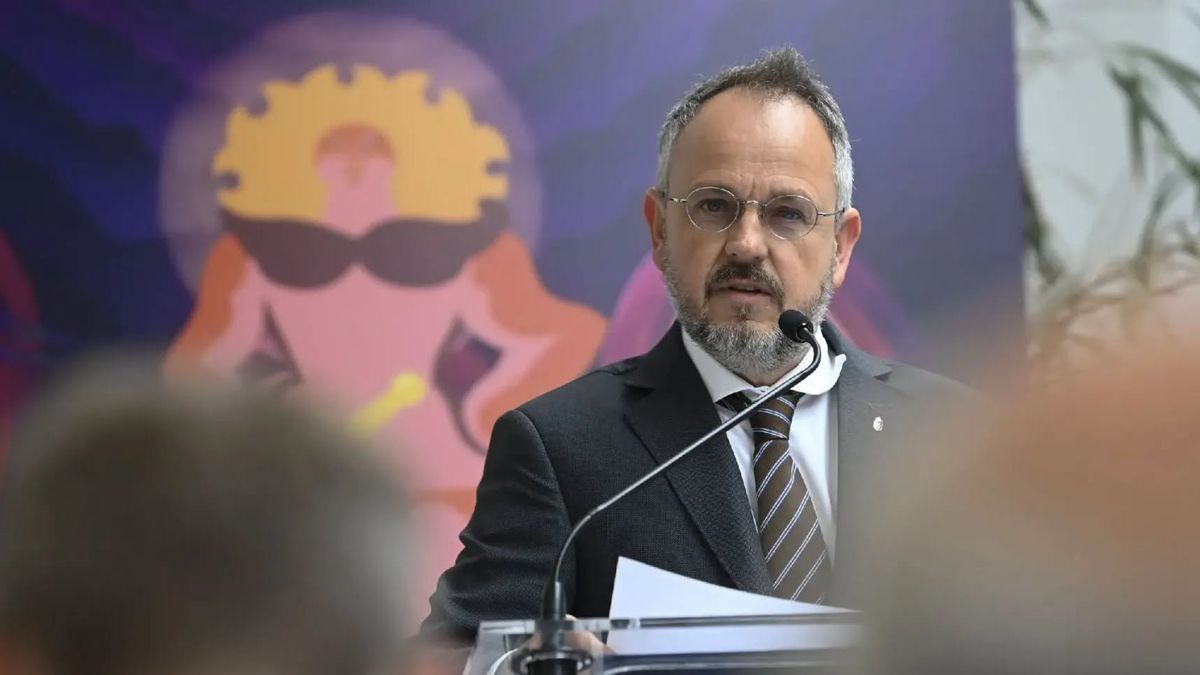
Meanwhile, Menczer Tamás, a former Fidesz parliamentary representative, defended the funding of civil organizations within his former constituency. He stated that these groups received approximately one billion forints during the previous term and highlighted his personal involvement with various local initiatives. Tamás listed examples such as supporting equestrian events, local food preservation groups, and volunteer firefighters, emphasizing his appreciation for their community work.
About this summary
Originally published by Magyar Nemzet in Hungarian. Translated, summarized, and contextualized automatically by DistantNews, with a note on how the source frames the story. Not individually reviewed before publishing. How this works.
More Stories


From Our Blog

Countries Without a Free Press: What You Need to Know

What Press Freedom Means for the News You Read

What Gets Lost (and Found) When News Is Translated

The Critical Role of Diaspora Media in Global News

What Travellers Should Know About Countries with Restricted Press
