

Hungarian party must repay campaign funds after failing electoral threshold
Translated from Hungarian, summarized and contextualized by DistantNews.
At a glance
News
Named sources
Outcome reported
- The Two-Tailed Dog Party (MKKP) in Hungary must repay state campaign funds after failing to reach the 1% threshold in the 2026 parliamentary elections.
- The party is now fundraising through donations to cover the required repayment.
- This situation highlights a regulation originally intended to exclude "fake parties," but which now affects a well-known extra-parliamentary political actor.
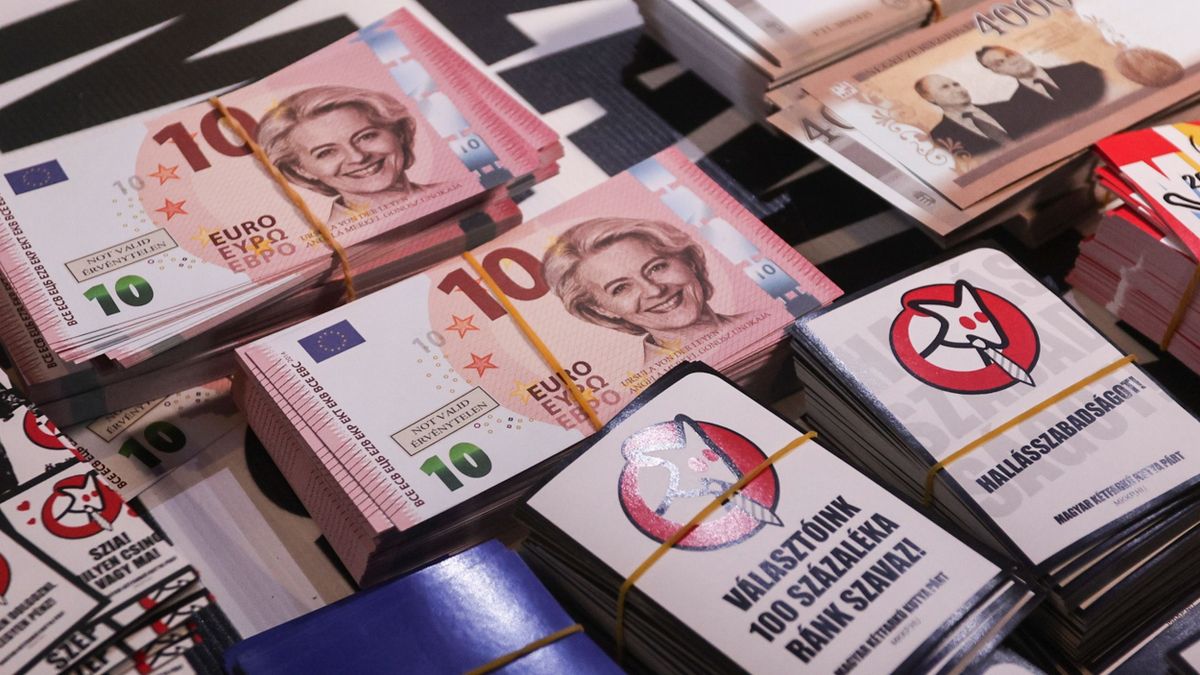
The Hungarian Two-Tailed Dog Party (MKKP) faces the obligation to return state funding received for its campaign in the 2026 parliamentary elections. The party failed to secure the required one percent of the national list vote, triggering the repayment mandate under current legislation. To meet this financial obligation, the MKKP has launched a donation drive.
This is not an unprecedented situation in Hungarian politics, as several parties have found themselves in similar circumstances following past parliamentary elections. The regulation in question was initially designed to prevent the proliferation of "fake parties" and curb misuse of campaign funds. However, despite a significant reduction in such abuses over the last decade, the law continues to apply uniformly to all parties fielding national lists.
Consequently, the rule now impacts not an obscure electoral formation, but one of Hungary's most recognizable non-parliamentary political entities. The situation brings renewed attention to the electoral funding laws and their application to established political movements.
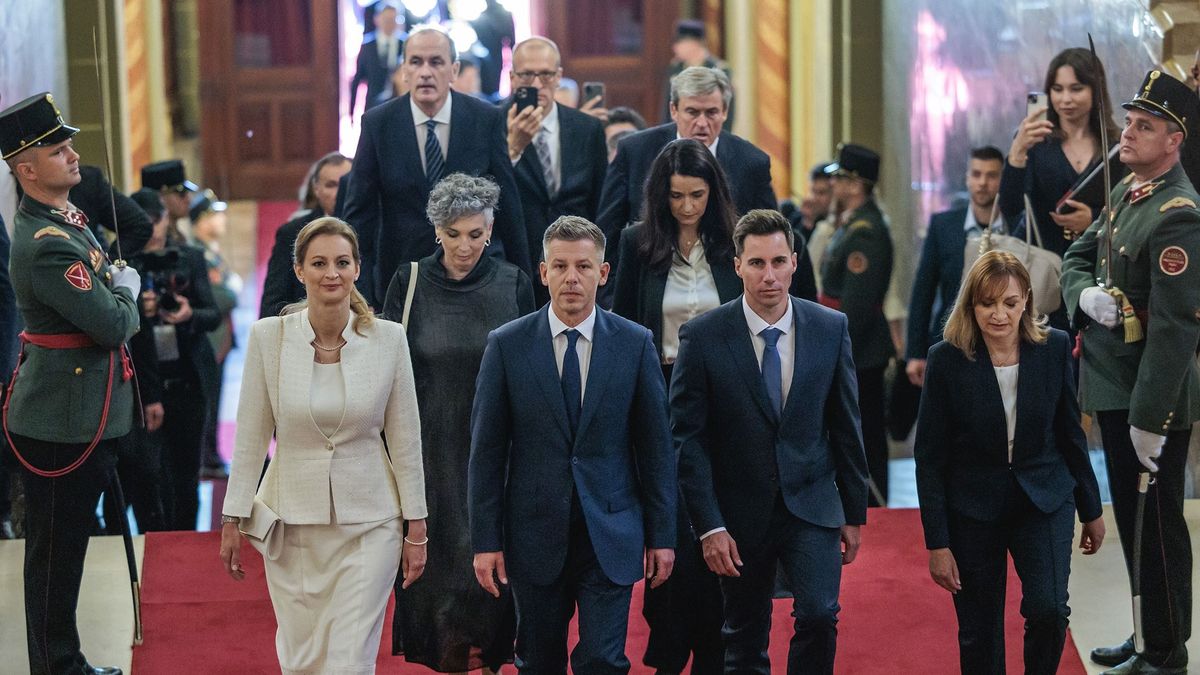
The article also briefly mentions other political developments, including a contentious parliamentary exchange involving Magyar Péter, described as a "lying, inhuman scoundrel," and references to Orbán Viktor, the ongoing Russia-Ukraine war, and the Tisza government.
DistantNews Editorial
Originally published by Magyar Nemzet in Hungarian. Translated, summarized, and contextualized by our editorial team with added local perspective. Read our editorial standards.
More Stories

From Our Blog

Countries Without a Free Press: What You Need to Know

What Press Freedom Means for the News You Read

What Gets Lost (and Found) When News Is Translated

The Critical Role of Diaspora Media in Global News

What Travellers Should Know About Countries with Restricted Press
