


Hungary Faces Alarming Drought as July Rainfall Hits Historic Low
Translated from Hungarian, summarized and contextualized by DistantNews.
At a glance
News
Named sources
Context piece
- Hungary experienced its 6th driest July since the early 20th century, with average rainfall significantly below the climate norm.
- Meteorologist Lajos Németh described the "heat dome" phenomenon, a large anticyclone bringing hot, dry air from Africa, weakening Atlantic and Mediterranean weather fronts.
- This pattern has led to a decrease in summer storms and a shift towards a more Mediterranean-like climate with erratic rainfall, causing soil moisture deficits.
July in Hungary was exceptionally dry, ranking as the sixth driest month since the early 20th century. Average rainfall across the country was a mere 19.8 millimeters, approximately 3.5 times less than the climatic norm. Many areas, particularly the Great Hungarian Plain, received less than a centimeter of rain, with some weather stations recording no precipitation at all for the entire month. This scarcity is characteristic of Mediterranean climates, according to meteorologist Lajos Németh.
This process existed before, what is new is the size of the anticyclone and the volume of hot, very dry air, which weakens the atmospheric fronts coming from the Atlantic Ocean and the Mediterranean Sea so much that they cannot reach Europe and bring precipitation.
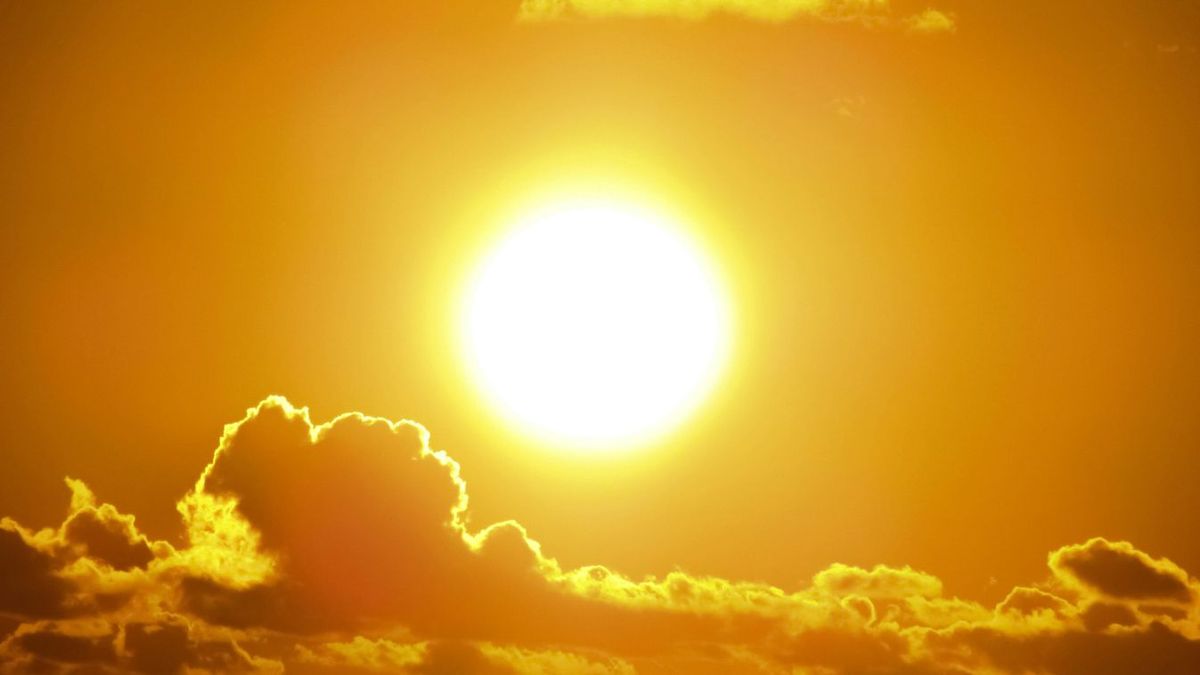
Németh explained the "heat dome" phenomenon, which has become a defining feature of this summer. He described it as a large-scale anticyclone originating from Africa, carrying hot, very dry air. This system significantly weakens the atmospheric fronts approaching from the Atlantic Ocean and the Mediterranean Sea, preventing them from reaching Europe and bringing much-needed rainfall. Consequently, summer storms with showers and thunderstorms have become increasingly rare.
This is very taxing on the body, especially in large cities where the densely built environment and asphalt mean the air does not cool down after sunset.
The altered rainfall patterns are causing significant issues. While the total annual precipitation may not have drastically decreased compared to previous years, its distribution has become highly erratic. Németh noted that in some areas, intense downpours from "supercells" can deliver as much as two months' worth of rain in just a few hours. However, this excessive water often causes damage rather than replenishing the soil effectively.
The monthly precipitation total was only 19.8 millimeters, which is roughly three and a half times less than the climatic norm.
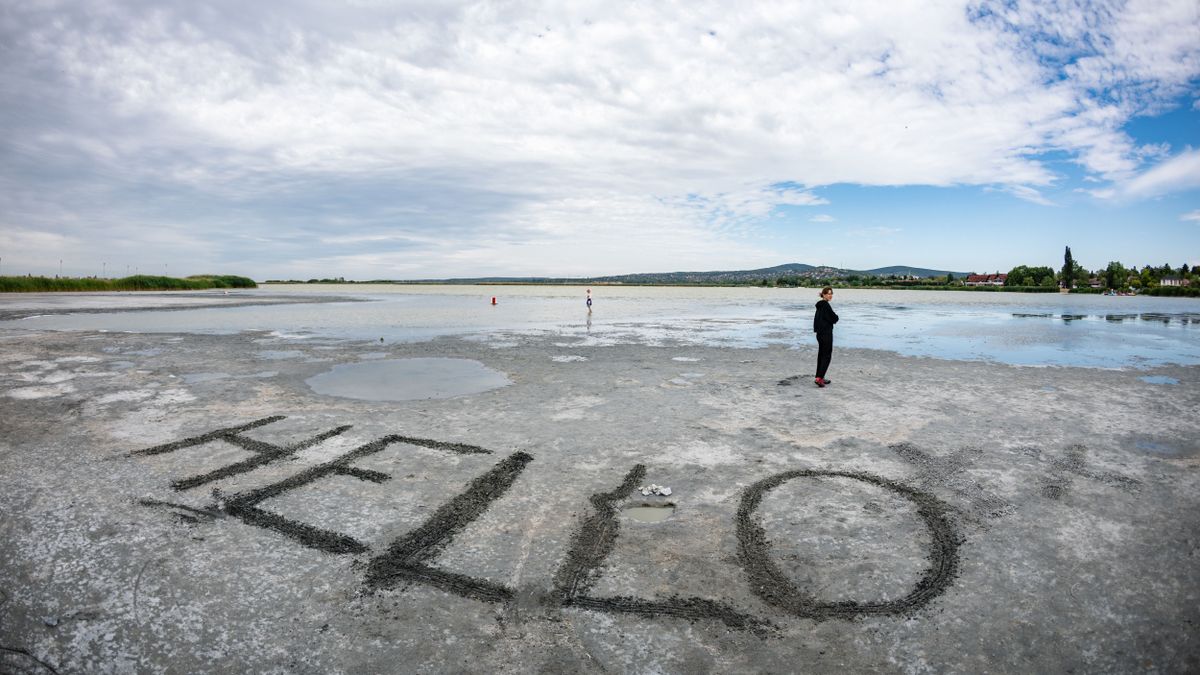
Furthermore, prolonged dry spells have led to substantial soil moisture deficits in many regions. In some areas, the lack of water has caused the groundwater level to drop by as much as two meters. This persistent dryness signals a concerning shift in Hungary's climate, moving away from its traditional humid continental pattern towards a more Mediterranean-like climate with unpredictable precipitation and increased drought risk.
There are areas with precipitation deficits where the total amount of precipitation is missing by more than one and a half years from the soil.
DistantNews Editorial
Originally published by Magyar Nemzet in Hungarian. Translated, summarized, and contextualized by our editorial team with added local perspective. Read our editorial standards.
More Stories

From Our Blog

Countries Without a Free Press: What You Need to Know

What Press Freedom Means for the News You Read

What Gets Lost (and Found) When News Is Translated

The Critical Role of Diaspora Media in Global News

What Travellers Should Know About Countries with Restricted Press
