

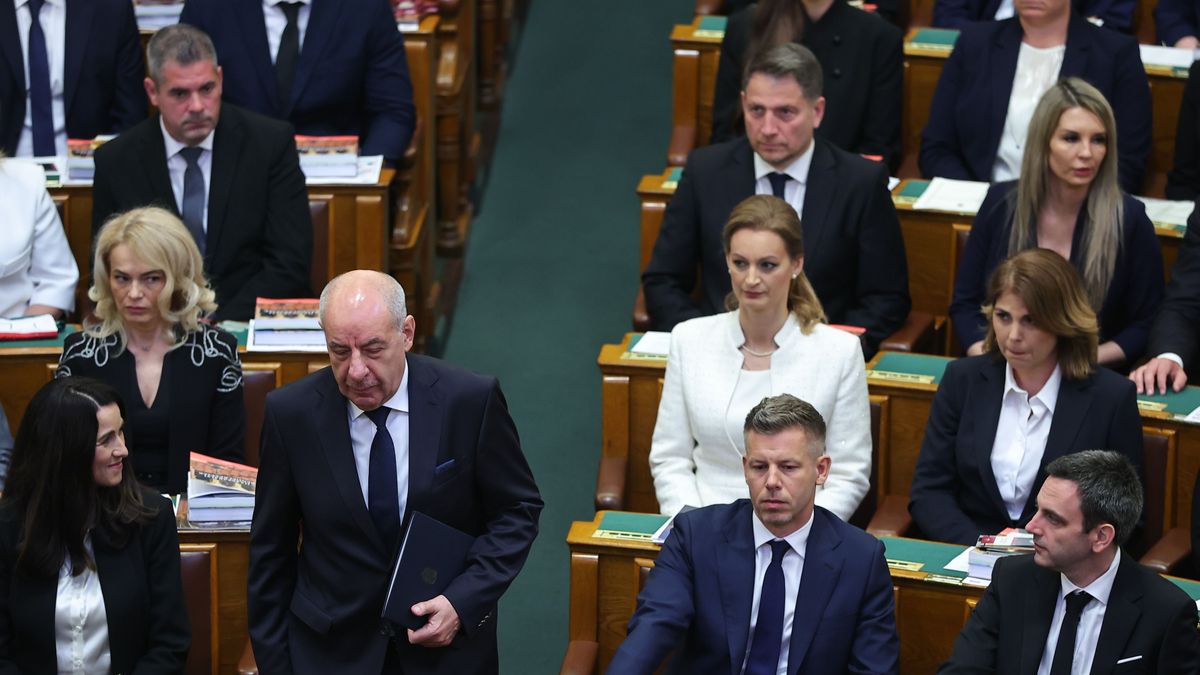
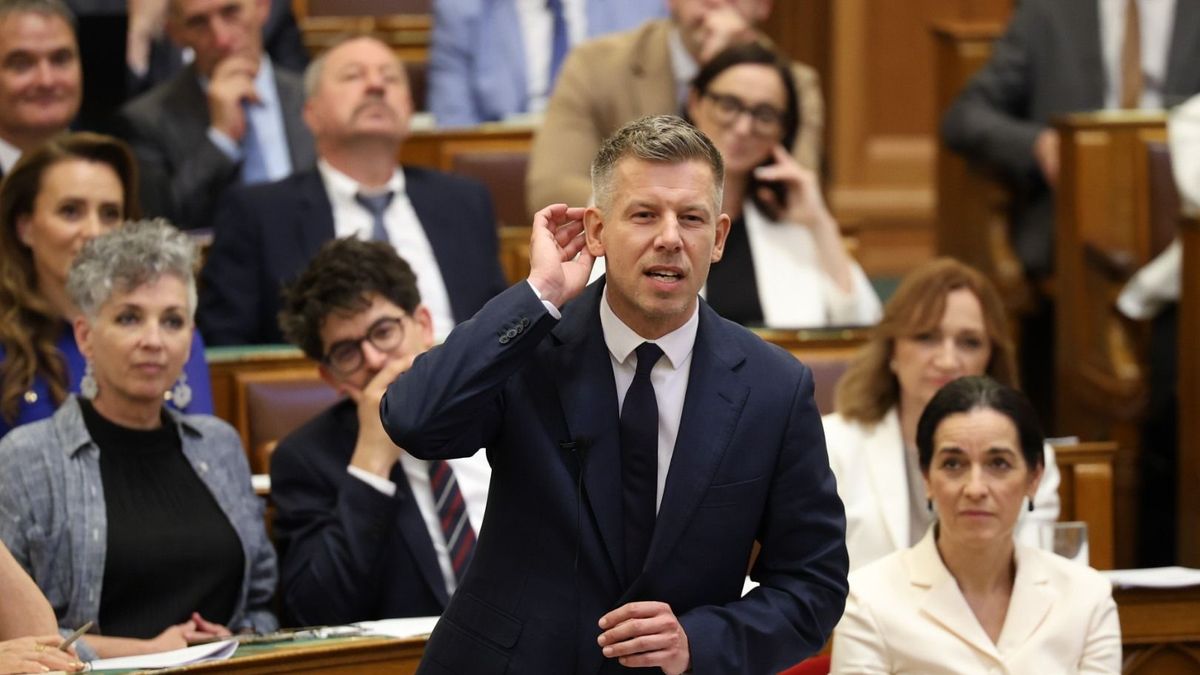
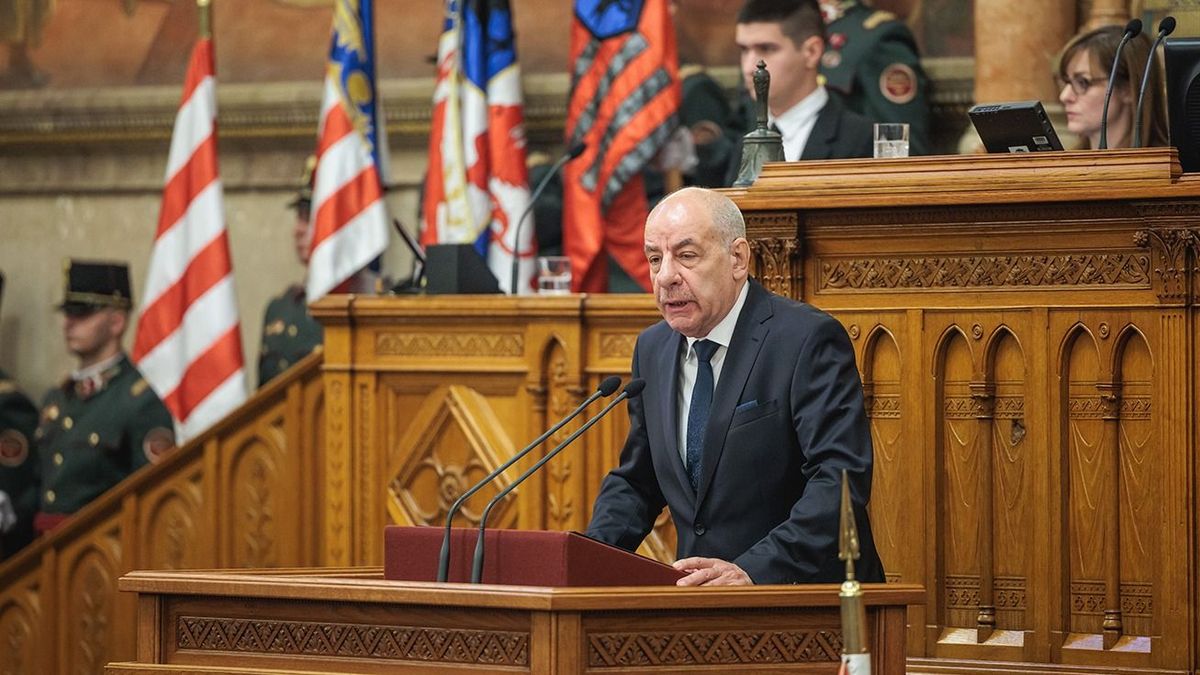
Hungary plans constitutional change to oust president
Translated from Hungarian, summarized and contextualized by DistantNews.
At a glance
News
Sources not specified
New plan
- Hungary's ruling parties plan to amend the constitution to remove the president, Tamás Sulyok, from office.
- Legal experts warn the move raises serious constitutional concerns and violates international judicial practice regarding the stability of presidential mandates.
- The proposed amendment bypasses established procedures for removing a president, potentially undermining democratic principles.
Hungary's ruling coalition is pushing for a constitutional amendment that would remove President Tamás Sulyok from office. The plan, announced by Prime Minister Viktor Orbán, would terminate Sulyok's mandate the day after the amendment takes effect.
If the amendment to the constitution takes effect, Tamás Sulyok's mandate will cease the day after.
Legal scholars, however, have raised significant constitutional alarms. According to legal expert István Lomnici Jr., the proposed change clashes with established domestic and international judicial practices. The constitution stipulates a five-year presidential term and outlines specific procedures for removal, including a decision by the Constitutional Court. Bypassing these established guarantees with a personalized amendment is seen as a circumvention of the current constitutional process.
This raises serious constitutional concerns and clashes with domestic and international judicial practice.
Lomnici emphasized that the president's role as a symbol of national unity and guardian of democratic functioning requires a stable mandate. He pointed to European Court of Justice rulings concerning Poland, which highlighted the importance of judicial independence and immovability, even in cases unrelated to presidential terms. The principle remains that politically motivated, unconstitutional termination of public mandates, regardless of the legislative form, does not equate to the rule of law.
If the parliament bypasses the guaranteed path with a personalized constitutional amendment, it is a circumvention of the current constitutional procedure.
The move has sparked debate about the stability of democratic institutions in Hungary and adherence to constitutional norms. Critics argue that targeting a specific individual through constitutional change sets a dangerous precedent and weakens the checks and balances within the political system.
The principle is that the legislative form itself does not make the subsequent, politically motivated unconstitutional termination of independent public mandates a rule of law.
DistantNews Editorial
Originally published by Magyar Nemzet in Hungarian. Translated, summarized, and contextualized by our editorial team with added local perspective. Read our editorial standards.
More Stories

From Our Blog

Countries Without a Free Press: What You Need to Know

What Press Freedom Means for the News You Read

What Gets Lost (and Found) When News Is Translated

The Critical Role of Diaspora Media in Global News

What Travellers Should Know About Countries with Restricted Press
