

Hungary's Alföld Special Honey Producer Threatened by Drought
Translated from Hungarian, summarized and contextualized by DistantNews.
At a glance
News
Sources not specified
Context piece
- Hungary's beekeeping sector, particularly honey production in the Alföld region, is facing severe threats due to drought conditions.
- The drought is impacting the availability of nectar sources essential for honey production.
- This situation jeopardizes the livelihood of beekeepers and the unique honey varieties associated with the region.
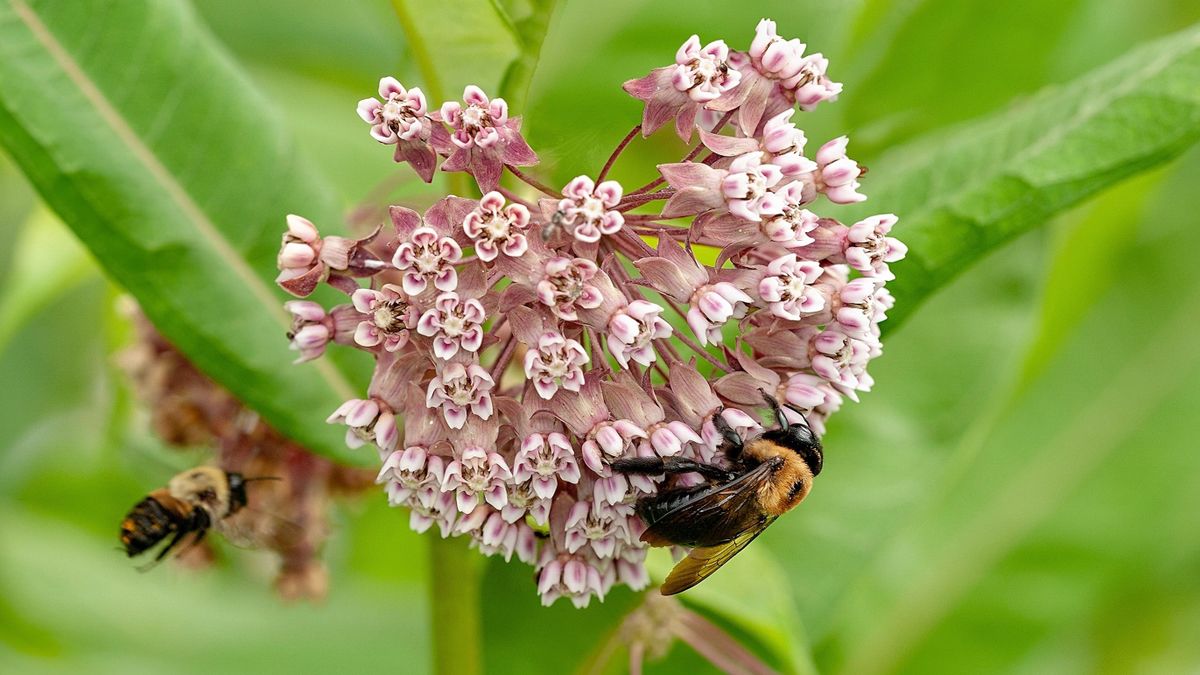
The unique honey producers of Hungary's Great Plain (Alföld) are facing an existential threat as severe drought conditions endanger their operations. The prolonged lack of rainfall is significantly impacting the region's flora, diminishing the nectar sources crucial for the bees that produce the area's special honey.
Beekeepers in the Alföld, a region historically known for its agricultural output, are now confronting the harsh reality of a parched landscape. The scarcity of nectar directly affects the bees' ability to produce honey, threatening the yields and the very survival of the beekeeping businesses that are integral to the local economy and heritage.
This environmental challenge not only puts pressure on the beekeepers' livelihoods but also puts at risk the distinct honey varieties that are a product of the Alföld's specific ecosystem. The long-term consequences of such persistent drought could lead to a significant decline in honey production, impacting both local supply and potentially Hungary's reputation as a producer of quality honey.
DistantNews Editorial
Originally published by Magyar Nemzet in Hungarian. Translated, summarized, and contextualized by our editorial team with added local perspective. Read our editorial standards.
More Stories
From Our Blog

Countries Without a Free Press: What You Need to Know

What Press Freedom Means for the News You Read

What Gets Lost (and Found) When News Is Translated

The Critical Role of Diaspora Media in Global News

What Travellers Should Know About Countries with Restricted Press
