

Hungary's 'Country Cakes' Carry Wide Price Differences Despite Stable Slice Costs
Translated from Hungarian, summarized and contextualized by DistantNews.
At a glance
News
Sources not specified
Context piece
- This year's "Country Cake" winners in Hungary, Bíborfehér and Szilvafácska, do not have a mandatory national price, leading to significant cost differences between bakeries.
- While prices per slice remain similar at events like the Street of Hungarian Flavors, whole cakes can range from 22,000 to 29,000 forints (approx. $60-$80 USD) depending on the establishment.
- The cakes represent a modern take on Hungarian desserts, incorporating complex flavors beyond simple sweetness, using local ingredients and memories.
Hungary's annual "Country Cake" competition has crowned two new winners, Bíborfehér and Szilvafácska, but the celebration is tempered by a significant price disparity for consumers. Unlike some national products, these winning cakes do not have a fixed nationwide price, allowing individual confectioneries to set their own rates based on business costs and profit margins.
While a slice of either cake might cost around 1,950 forints ($5.30 USD) at official events like the Street of Hungarian Flavors, prices at local bakeries can vary. Available price ranges show Bíborfehér slices costing between 1,690 and 1,950 forints, and Szilvafácska slices between 1,600 and 1,950 forints. This difference, though seemingly small per slice, can amount to thousands of forints for a whole cake. A 16-slice cake, for instance, could cost anywhere from 22,000 to 29,000 forints ($60-$80 USD), depending on the bakery's overheads, ingredient sourcing, and markup.
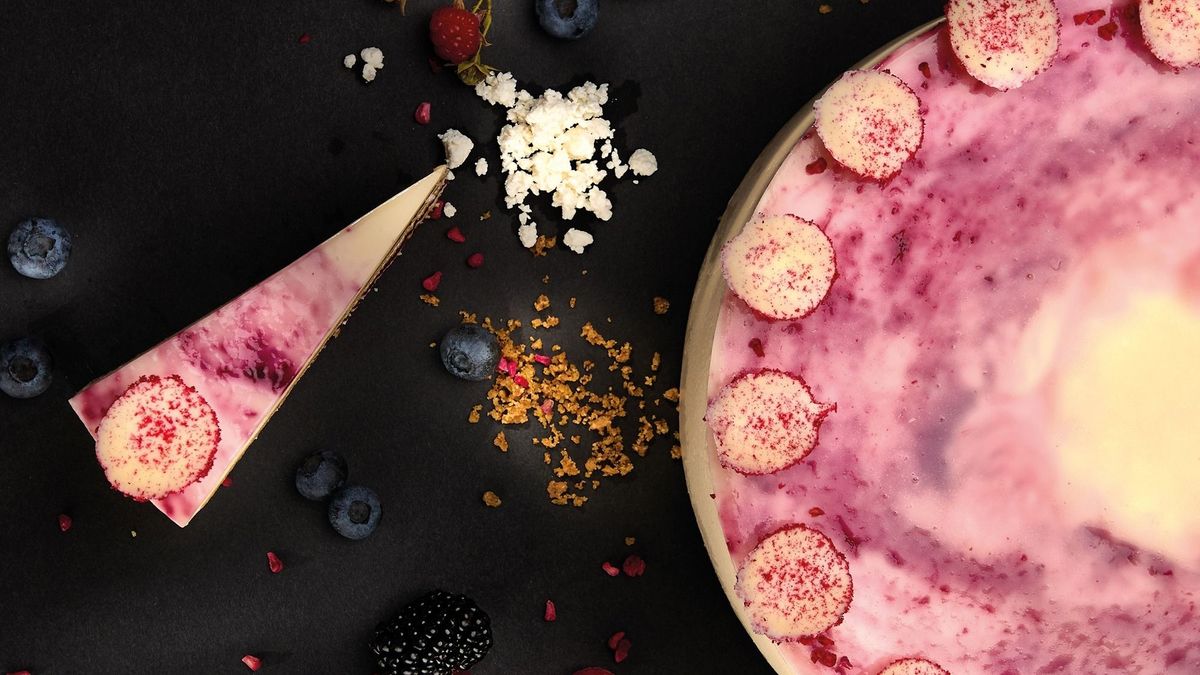
Beyond the price, the winning cakes reflect an evolution in Hungarian pastry. Bíborfehér features tart forest fruits, cottage cheese, and blackcurrant wine, while Szilvafácska balances cinnamon, green tea, and plum. These flavor profiles move beyond mere sweetness, incorporating acidity and spice. Both cakes utilize Hungarian ingredients and evoke national memories but present them in a modern confectionery style, signaling a shift in contemporary Hungarian dessert preferences.
To ensure authenticity, official vendors must register with the Hungarian Confectionery Association and adhere to protected recipes and technological guidelines. This process guarantees that the cakes sold under the "Country Cake" designation meet specific standards, even as their final prices fluctuate across different establishments.
DistantNews Editorial
Originally published by Magyar Nemzet in Hungarian. Translated, summarized, and contextualized by our editorial team with added local perspective. Read our editorial standards.
More Stories



From Our Blog

Countries Without a Free Press: What You Need to Know

What Press Freedom Means for the News You Read

What Gets Lost (and Found) When News Is Translated

The Critical Role of Diaspora Media in Global News

What Travellers Should Know About Countries with Restricted Press
