

Hungary's Energy Savings Pose Economic Risks, With Drought Worsening Outlook
Translated from Hungarian, summarized and contextualized by DistantNews.
At a glance
Analysis
Sources not specified
Context piece
- Hungary's economy faces significant risks due to energy saving measures, with voluntary commitments from companies potentially exceeding 600 megawatts.
- Maintaining current consumption reduction for a full year could decrease GDP by 1.4-4.6%, translating to a weekly economic loss of approximately 0.1%.
- The situation is exacerbated by drought impacting agriculture and tourism, and the need to replace low-cost nuclear power with expensive imports, increasing the national energy import bill.
Hungary's economy is grappling with the repercussions of energy-saving measures, primarily driven by the need to compensate for reduced output from the Paks nuclear power plant. The government reports that companies' voluntary commitments to reduce consumption could collectively surpass 600 megawatts, indicating a significant portion of the adaptation is occurring within the production sector.
Economic projections suggest that if the current level of consumption reduction persists for an entire year, it could lead to a GDP decrease of 1.4% to 4.6%. On a weekly basis, this translates to an estimated economic loss of around 0.1%. While these figures are based on a relatively simple model that does not account for seasonal industrial slowdowns during summer holidays, they highlight the substantial economic cost of the energy crisis.
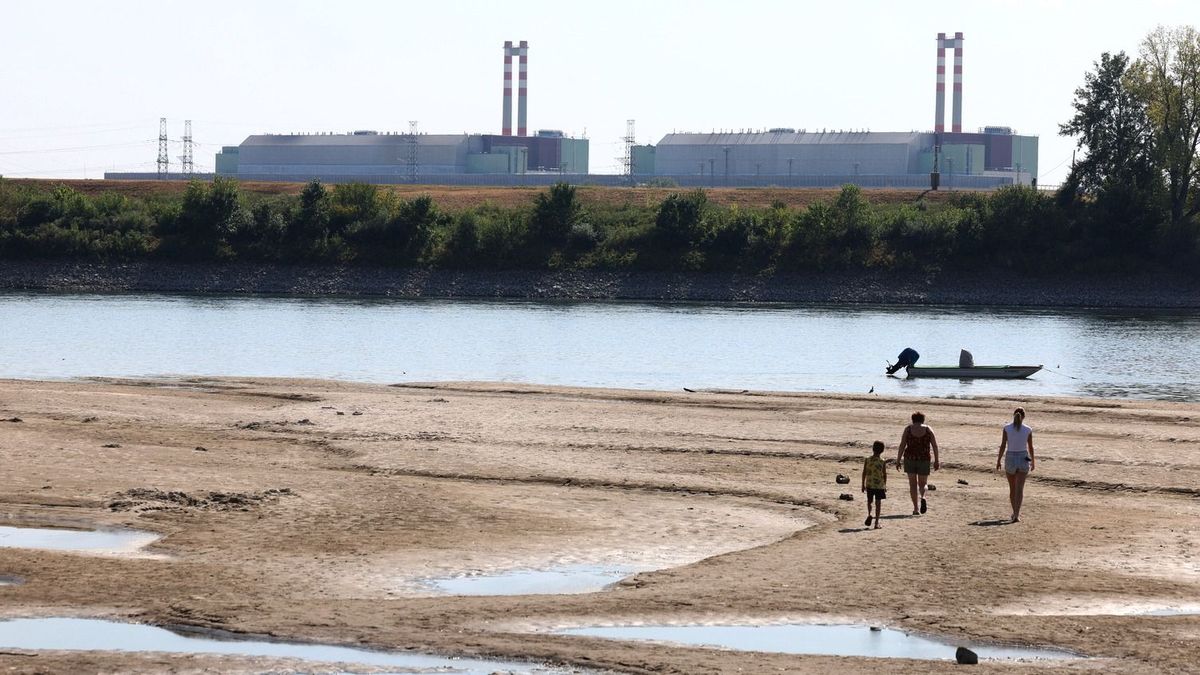
The economic damage is compounded by a severe drought affecting both agriculture and tourism. Crop losses are expected, and low water levels are impacting river transportation and certain tourism services. The need to import more expensive electricity to replace the Paks plant's low-cost output further strains the national energy import bill and increases operational costs for businesses.
Analysts at MBH Bank estimate that the combined negative impact of electricity shortages and drought on the economy could be around 0.1% of GDP per week. While the bank maintains its GDP growth forecast of 1.6% for the year, it warns that persistent energy supply issues could necessitate downward revisions. The future economic outlook will largely depend on weather patterns and changes in the Danube River's water levels.
DistantNews Editorial
Originally published by Magyar Nemzet in Hungarian. Translated, summarized, and contextualized by our editorial team with added local perspective. Read our editorial standards.
More Stories


From Our Blog

Countries Without a Free Press: What You Need to Know

What Press Freedom Means for the News You Read

What Gets Lost (and Found) When News Is Translated

The Critical Role of Diaspora Media in Global News

What Travellers Should Know About Countries with Restricted Press
