

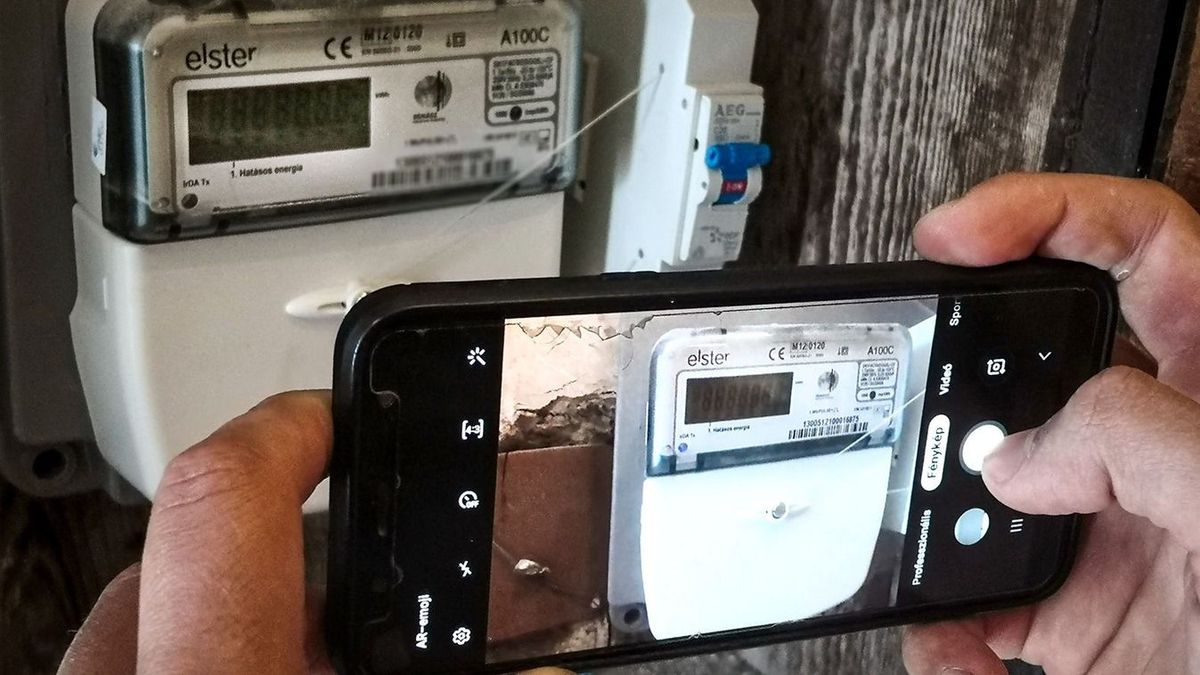

Hungary's history of state aid during energy and fuel crises
Translated from Hungarian, summarized and contextualized by DistantNews.
At a glance
News
Sources not specified
Context piece
- Hungary's government has provided targeted financial aid during extreme weather events, such as energy subsidies and fuel price caps.
- These measures aimed to protect citizens from market fluctuations and high costs.
- While energy subsidies are ongoing, past interventions included one-off payments and price freezes.
Hungary's government has a history of intervening with targeted financial support during periods of extreme weather and market volatility, offering a safety net to citizens. These measures, while sometimes costly to the state, aim to shield households from the full impact of soaring energy prices and other economic shocks.
In the past, the government provided a 9,000 forint energy voucher to pensioners and certain benefit recipients in the autumn of 2019. These vouchers, totaling 2.6 million recipients and 24 billion forints, were intended for electricity and gas bills.
A significant intervention was the fuel price cap, which lasted for approximately thirteen months from November 2021 to December 2022. This measure fixed the price of 95-octane gasoline and diesel at 480 forints per liter, directly shielding drivers from the global price surge during the 2022 energy crisis.
More recently, in March 2023, the government again stepped in to stabilize fuel prices. Facing supply issues with the Druzhba oil pipeline and rising costs due to the conflict in Iran, the government reduced excise taxes, setting a protected price of 595 forints per liter for 95-octane gasoline and 615 forints for diesel.
While these interventions protect consumers, they represent a substantial cost to the state. Hungary allocated around 800 billion forints for the subsidy system in 2025 alone. During the peak of the 2022 energy crisis, these costs approached two trillion forints. The system's advantage lies in buffering the impact of fluctuating market costs, preventing them from directly burdening family budgets.
DistantNews Editorial
Originally published by Magyar Nemzet in Hungarian. Translated, summarized, and contextualized by our editorial team with added local perspective. Read our editorial standards.
More Stories
From Our Blog

Countries Without a Free Press: What You Need to Know

What Press Freedom Means for the News You Read

What Gets Lost (and Found) When News Is Translated

The Critical Role of Diaspora Media in Global News

What Travellers Should Know About Countries with Restricted Press
