


Hungary's INOTA Festival to Return in 2025 with Expanded Audiovisual Program
Translated from Hungarian, summarized and contextualized by DistantNews.
At a glance
In-depth
Sources not specified
Context piece
- Hungary's INOTA Festival, an audiovisual event held at a former industrial power plant, is set to return with an expanded program in 2025.
- The festival will feature international artists in electronic music, ambient, and trance genres, alongside light and visual art installations.
- Organizers aim to transform the former power plant into a cultural and community center, preserving its industrial character while hosting diverse artistic and social programs.
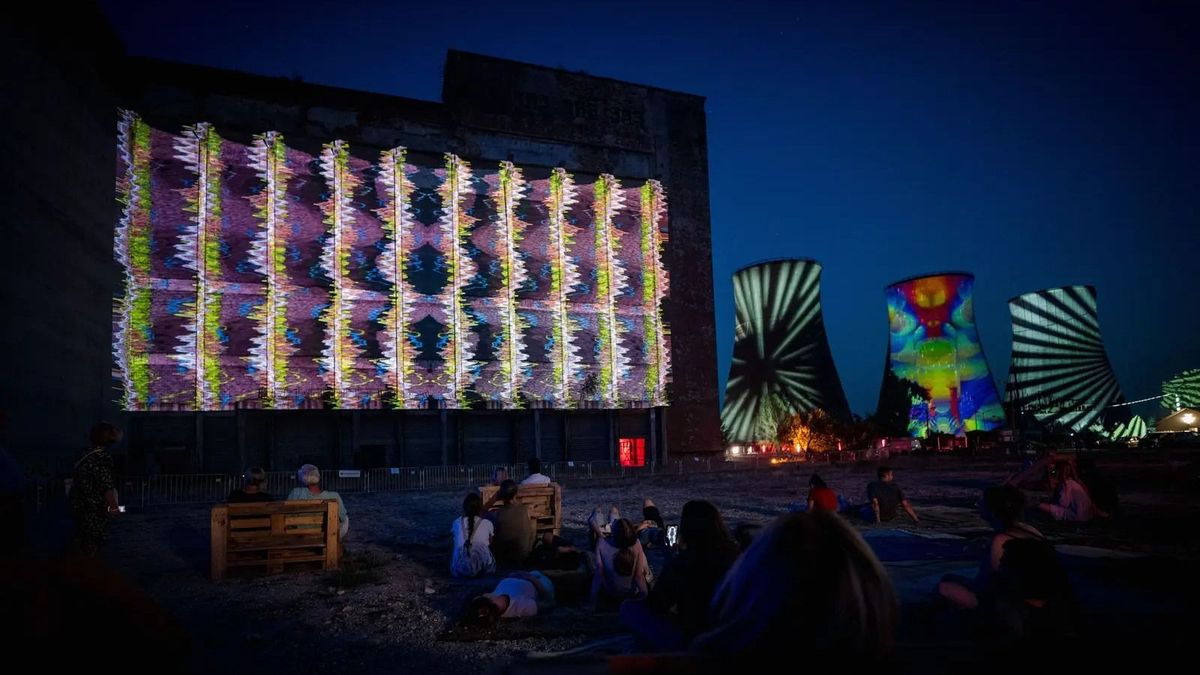
Hungary's INOTA Festival is preparing for its return in 2025, promising an even more expansive audiovisual experience at its unique venue: a former industrial power plant. Building on its success as Hungary's largest festival outside Budapest, INOTA transforms the industrial complex into a vibrant exhibition space for contemporary art and music.
The festival will showcase a diverse lineup of international artists. From Denmark, Kasper Marott will bring his club music selections, while MARRON and Woody92 from the Netherlands will represent genres rooted in Suriname's history and fast-paced leftfield dance music, respectively. Canadian ambient artist Loscil and New York-based James K will offer more introspective soundscapes.
Electronic music enthusiasts can anticipate performances from trance artists like Alpha Tracks and DINA, Farseer from Australia, and Argentina's Gaston Fiore. Brazil's KiLLATK will blend hi-tech psytrance with anarchist energy, and Pneumatix and Acidpach will represent the free party scene.
Beyond the music, INOTA is renowned for its impressive visual art. Over twenty light and visual art installations from seven countries have been featured, including site-specific works designed for the power plant's unique structures like cooling towers and turbine halls. The festival's organizers envision the former power plant evolving into a long-term cultural and community hub, integrating artistic projects with daily cultural and social programs while retaining the site's industrial heritage.
DistantNews Editorial
Originally published by Magyar Nemzet in Hungarian. Translated, summarized, and contextualized by our editorial team with added local perspective. Read our editorial standards.
More Stories

From Our Blog

Countries Without a Free Press: What You Need to Know

What Press Freedom Means for the News You Read

What Gets Lost (and Found) When News Is Translated

The Critical Role of Diaspora Media in Global News

What Travellers Should Know About Countries with Restricted Press
