

Hungary's recovery plan slashes healthcare funding, critics say
Translated from Hungarian, summarized and contextualized by DistantNews.
At a glance
News
Named sources
Context piece
- Hungary's recovery plan significantly reduces funding for healthcare, cutting the budget from 643 million euros to 240 million euros.
- Funds for digitalization in healthcare have been slashed by 90%, and support for children with special needs and vocational training has also decreased.
- Critics accuse the government of misallocating EU funds and misleading the public about the plan's impact on essential services.
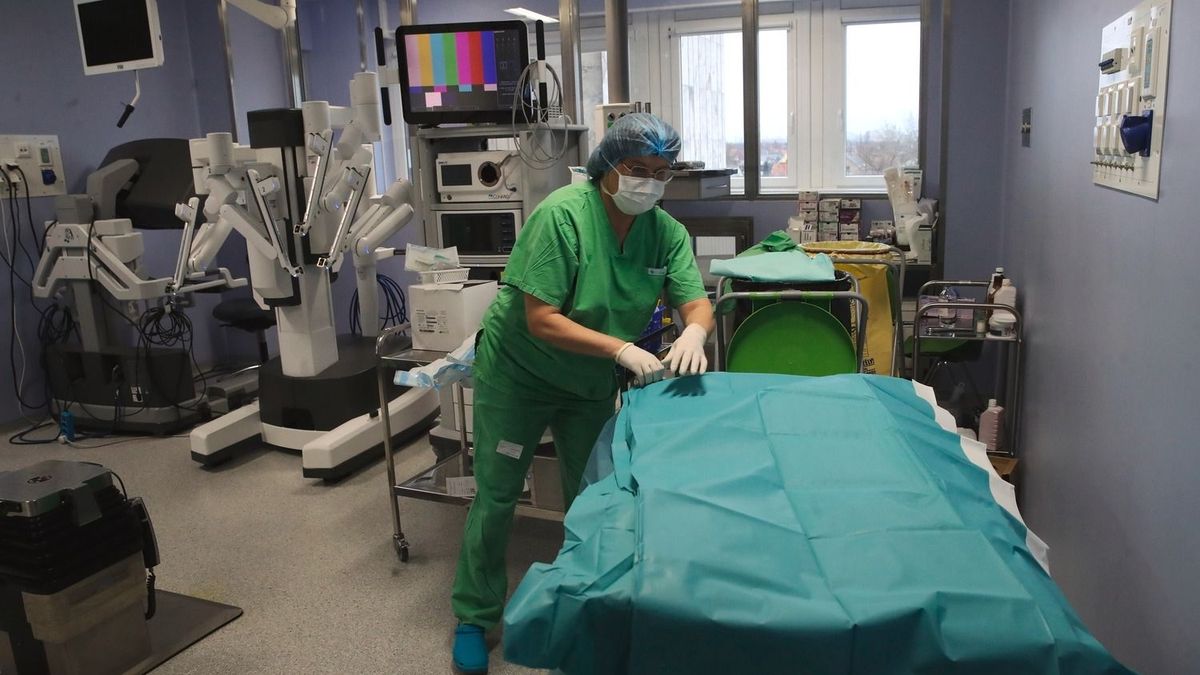
Hungary's national recovery plan is set to drastically cut healthcare funding, reducing the allocated budget from 643 million euros to just 240 million euros. This significant reduction also impacts other crucial areas, with funding for healthcare digitalization slashed by 90%, from 250 million euros to a mere 25 million euros.
The EU recovery funds are not the private property of the Tisza Party. This money is about Hungary's development, about the daily lives of the Hungarian people.
Further cuts affect support for children with special educational needs and vocational training. The plan also reduces higher education innovation funds by 64%, leaving only 16.01 million euros instead of the planned 45.09 million euros. Additionally, resources for residential solar panel programs have been nearly halved, dropping from 415 million euros to 211 million euros.
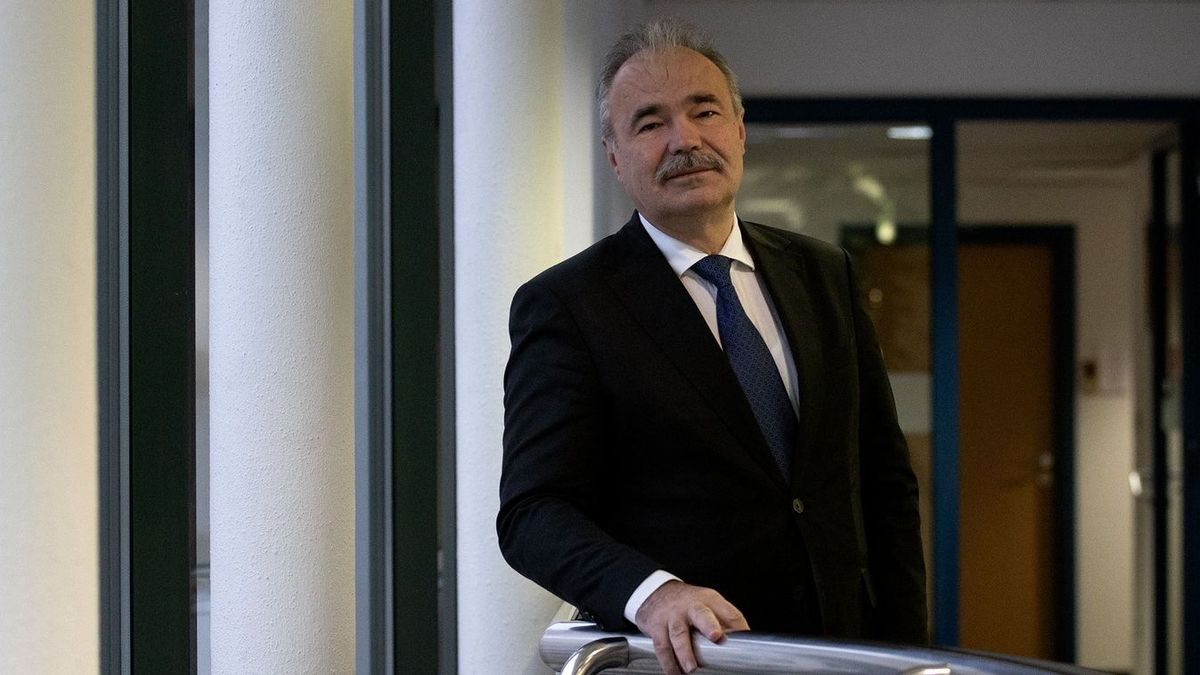
Győri Enikő, a Fidesz Member of the European Parliament, highlighted these changes, emphasizing that EU recovery funds are not private property but are intended for Hungary's development and its citizens' daily lives. She asserted the public's right to transparency, especially concerning the diversion of funds from healthcare, families, and education.
Voters have an inalienable right to full transparency and credible information, especially when the government is diverting hundreds of millions of euros from Hungarian healthcare, families, and education.
Enikő criticized Péter Magyar's stance, calling his actions hypocritical. She recalled his campaign appearances outside hospitals and his criticism of the Orbán government, suggesting his social media posts were designed to incite public anger. She labeled this approach as "outright villainy," particularly given the reallocation of substantial sums away from healthcare.
There is no better reflection of Péter Magyar's hypocrisy than what is happening now. Unfortunately, it is difficult to forget when he posed in front of hospitals during the election campaign and cursed the Orbán government.
The article questions the allocation of available EU funds, suggesting the recovery plan will not restore the healthcare system. It anticipates that many of the "Tisza" party's promises will not be fulfilled or will even be reversed, painting a bleak picture for Hungary's future despite the EU resources.
We can talk about EU money, but the question is what the callable amounts will be used for. The recovery plan, according to this, will certainly not restore healthcare.
DistantNews Editorial
Originally published by Magyar Nemzet in Hungarian. Translated, summarized, and contextualized by our editorial team with added local perspective. Read our editorial standards.
More Stories

From Our Blog

Countries Without a Free Press: What You Need to Know

What Press Freedom Means for the News You Read

What Gets Lost (and Found) When News Is Translated

The Critical Role of Diaspora Media in Global News

What Travellers Should Know About Countries with Restricted Press
