


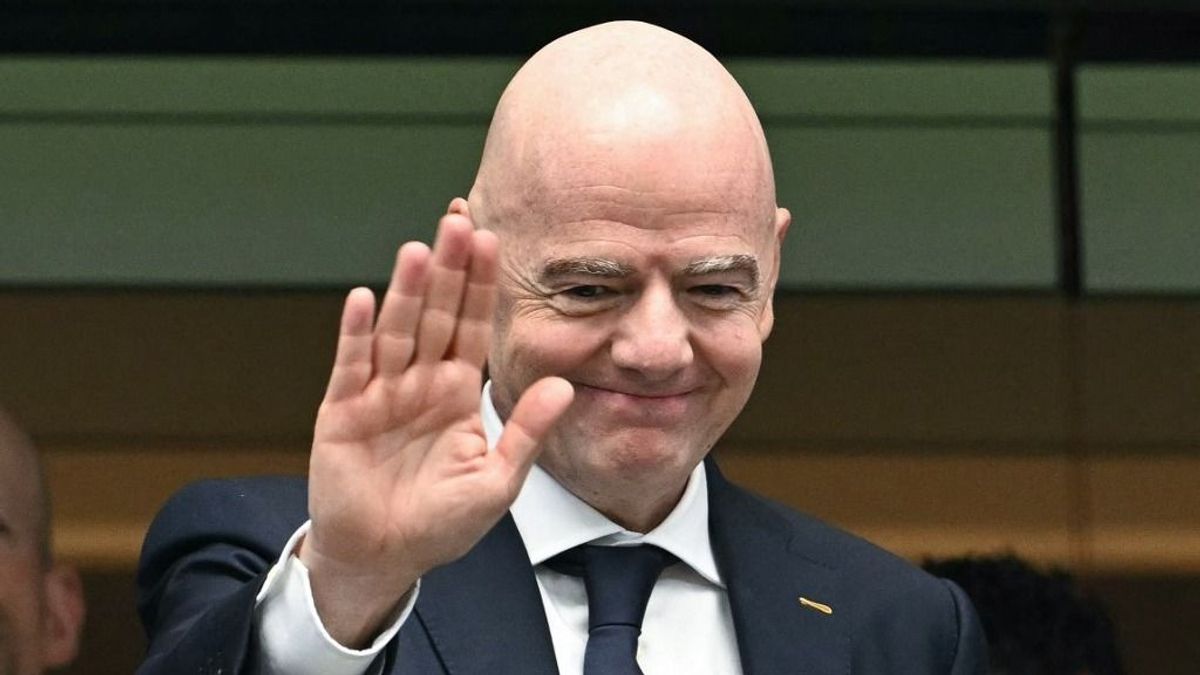
Hungary would not be the winner of a 64-team World Cup
Translated from Hungarian, summarized and contextualized by DistantNews.
At a glance
Analysis
Named sources
Context piece
- FIFA is reportedly considering expanding the 2030 World Cup to 64 teams, following the expansion to 48 teams for 2026.
- This potential expansion is driven by financial and economic considerations, not necessarily to include more European teams like Hungary.
- UEFA President Aleksander Ceferin has criticized the idea, warning it would diminish the World Cup's exclusivity and potentially lower the quality of qualifying matches.
FIFA is reportedly contemplating another expansion of the men's World Cup, potentially increasing the number of participating teams to 64 for the 2030 tournament, just as the 48-team format is set to debut in 2026. While this move might seem like an opportunity for nations like Hungary, which has not qualified since 1986, the article suggests the expansion is primarily driven by FIFA's financial interests rather than a desire to boost the competitiveness of teams like the Hungarian national squad.
The financial incentives for such a large-scale tournament are significant, particularly for potential host nations. While the 2030 World Cup is set to be co-hosted by Spain, Portugal, and Morocco, with initial matches in South America, the 2034 World Cup is slated to be hosted solely by Saudi Arabia. The article posits that Saudi Arabia, with its vast resources, could even manage a 128-team World Cup, highlighting the economic motivations behind FIFA's expansionist agenda.
very bad idea
From a sporting perspective, the proposed expansion has drawn criticism. UEFA President Aleksander Ceferin has voiced strong opposition, calling the idea "very bad." He argues that a 64-team World Cup would dilute the prestige and exclusivity of the tournament, fundamentally changing its character compared to the 32 or 48-team formats. Furthermore, Ceferin expressed concerns that the increased number of teams could negatively impact the competitive quality of the World Cup qualifying matches.
The article implies that while the absence of teams like Hungary from major tournaments is a source of disappointment for fans, it does not register as a significant financial loss for FIFA's decision-makers. The focus remains on maximizing revenue and global reach, even if it means compromising the perceived sporting integrity or exclusivity of the world's premier football competition.
the 64-team World Cup would no longer be the same as the 32 or 48-team World Cups, the exclusivity of the World Cup would decrease
DistantNews Editorial
Originally published by Magyar Nemzet in Hungarian. Translated, summarized, and contextualized by our editorial team with added local perspective. Read our editorial standards.
More Stories


From Our Blog

Countries Without a Free Press: What You Need to Know

What Press Freedom Means for the News You Read

What Gets Lost (and Found) When News Is Translated

The Critical Role of Diaspora Media in Global News

What Travellers Should Know About Countries with Restricted Press
