


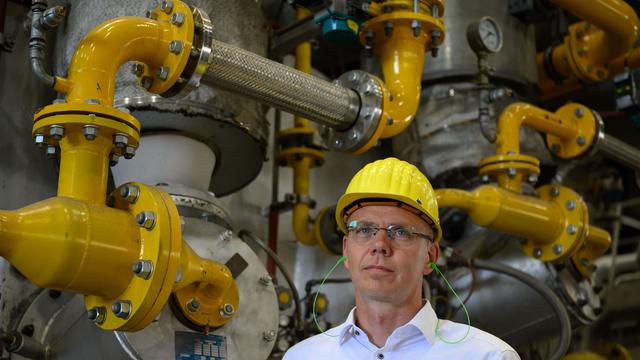
Hydrogen Ramp-Up: Technology Ready, Prices Too High
Translated from German, summarized and contextualized by DistantNews.
At a glance
News
Sources not specified
Context piece
- Germany's energy transition faces challenges as hydrogen technology matures but costs remain high.
- While the technology for a hydrogen-based economy is ready, high prices hinder widespread adoption.
- Overcoming cost barriers is crucial for realizing the potential of hydrogen in Germany's energy future.
Germany's ambitious energy transition is encountering a significant hurdle: the high cost of hydrogen. While the technology to produce and utilize hydrogen is now mature, its price remains a barrier to widespread adoption, threatening to slow down the shift away from fossil fuels.
The development of a hydrogen economy is seen as a key component of Germany's strategy to decarbonize its industrial sector and achieve climate goals. Advances in electrolysis and fuel cell technology have brought the nation closer to realizing this vision. However, the economics of green hydrogen production, which relies on renewable energy sources, are still not competitive with traditional fuels.
Experts and industry leaders acknowledge that the technology is ready, but the price point needs to come down significantly. This requires further investment in renewable energy infrastructure and production facilities, as well as supportive government policies. Without these measures, the hydrogen ramp-up risks stalling, impacting Germany's climate targets and its position as a leader in green technology.
DistantNews Editorial
Originally published by Die Zeit in German. Translated, summarized, and contextualized by our editorial team with added local perspective. Read our editorial standards.
More Stories



From Our Blog

What Gets Lost (and Found) When News Is Translated

How the Same Story Looks Different in Different Countries

The Critical Role of Diaspora Media in Global News

What Travellers Should Know About Countries with Restricted Press

A Digital Nomad's Guide to Following Local News
