


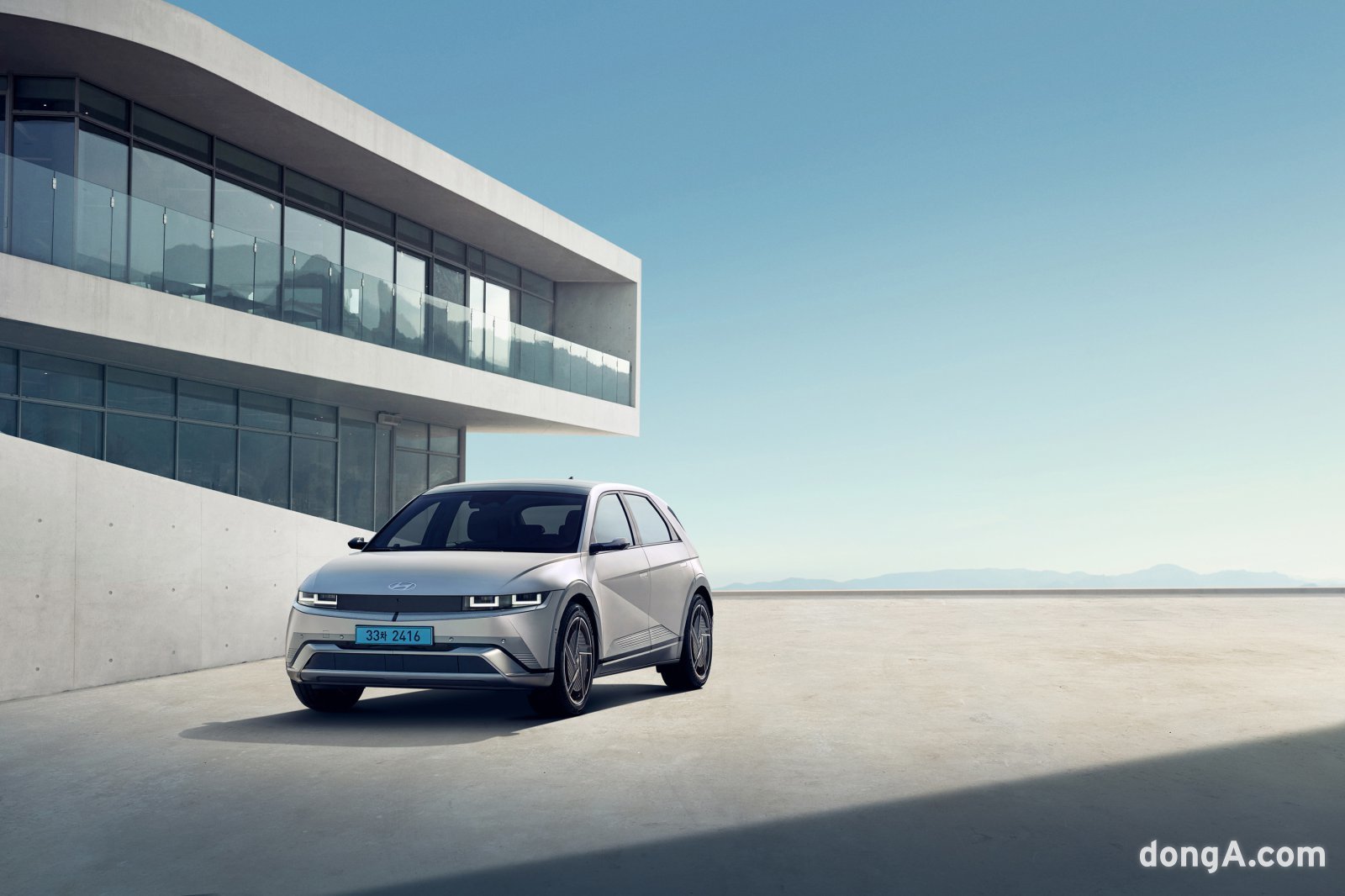
Hyundai Motor Group boosts EV charging convenience with 'Plug and Charge' expansion
Translated from Korean, summarized and contextualized by DistantNews.
At a glance
News
Sources not specified
New plan
- Hyundai Motor Group is expanding its "Plug and Charge" technology through a partnership with Chavi, a leading private fast-charging provider.
- This collaboration allows electric vehicle users to authenticate, charge, and pay simply by connecting the charging cable, eliminating the need for cards or apps.
- The service is now available at over 1,500 Chavi charging stations nationwide, significantly improving convenience for EV owners.
Hyundai Motor Group is significantly enhancing electric vehicle charging convenience by expanding its "Plug and Charge" technology in collaboration with Chavi, a prominent private fast-charging service provider in South Korea. The two entities have completed technical integration, enabling a seamless charging experience across Chavi's network.
"Plug and Charge" is an international standard technology that automates the entire charging process. Users simply connect the charging cable to their vehicle, and the system handles authentication, power delivery, and payment without requiring physical cards or mobile applications. This contrasts with many current charging stations that necessitate cumbersome verification steps.
The new system utilizes encrypted communication between the vehicle and the charging infrastructure, ensuring both ease of use and robust security. This initiative marks the first major outcome of Hyundai Motor Group's plan to upgrade its domestic charging network, which was established last year. Previously, the service was limited to Hyundai's own ultra-fast E-pit stations.
With the integration of Chavi's network, the service now extends to approximately 1,500 charging locations nationwide. Hyundai Motor Group plans to further expand this service by forging similar technical collaborations with other major private charging operators, aligning with government policies to boost eco-friendly vehicle infrastructure. The group aims to create a universal charging ecosystem, addressing the convenience issues that have hindered wider EV adoption.
DistantNews Editorial
Originally published by Dong-A Ilbo in Korean. Translated, summarized, and contextualized by our editorial team with added local perspective. Read our editorial standards.
More Stories


From Our Blog

What Gets Lost (and Found) When News Is Translated

The Critical Role of Diaspora Media in Global News

What Travellers Should Know About Countries with Restricted Press

A Digital Nomad's Guide to Following Local News

How the Same Story Looks Different in Different Countries
