


Hyundai Motor Group to invest 42 trillion won in Yeongnam region for autonomous vehicle hub
Translated from Korean, summarized and contextualized by DistantNews.
At a glance
News
Named sources
New plan
- Hyundai Motor Group plans to invest 42 trillion won in South Korea's Yeongnam region over the next decade.
- The investment aims to develop the region into a hub for autonomous vehicle development and future mobility.
- Plans include establishing AI-based autonomous vehicle manufacturing, building future component clusters, and advancing aerospace technology.
Hyundai Motor Group has unveiled an ambitious plan to invest 42 trillion won (approximately $30 billion) in South Korea's Yeongnam region over the next ten years. The initiative aims to transform the region into a central hub for the development of autonomous vehicles and other future mobility technologies.
By investing further in new business areas in the Yeongnam region, which is the root of Hyundai Motor Group, we will foster it as a key hub for future advanced industries and contribute to strengthening South Korea's industrial competitiveness.
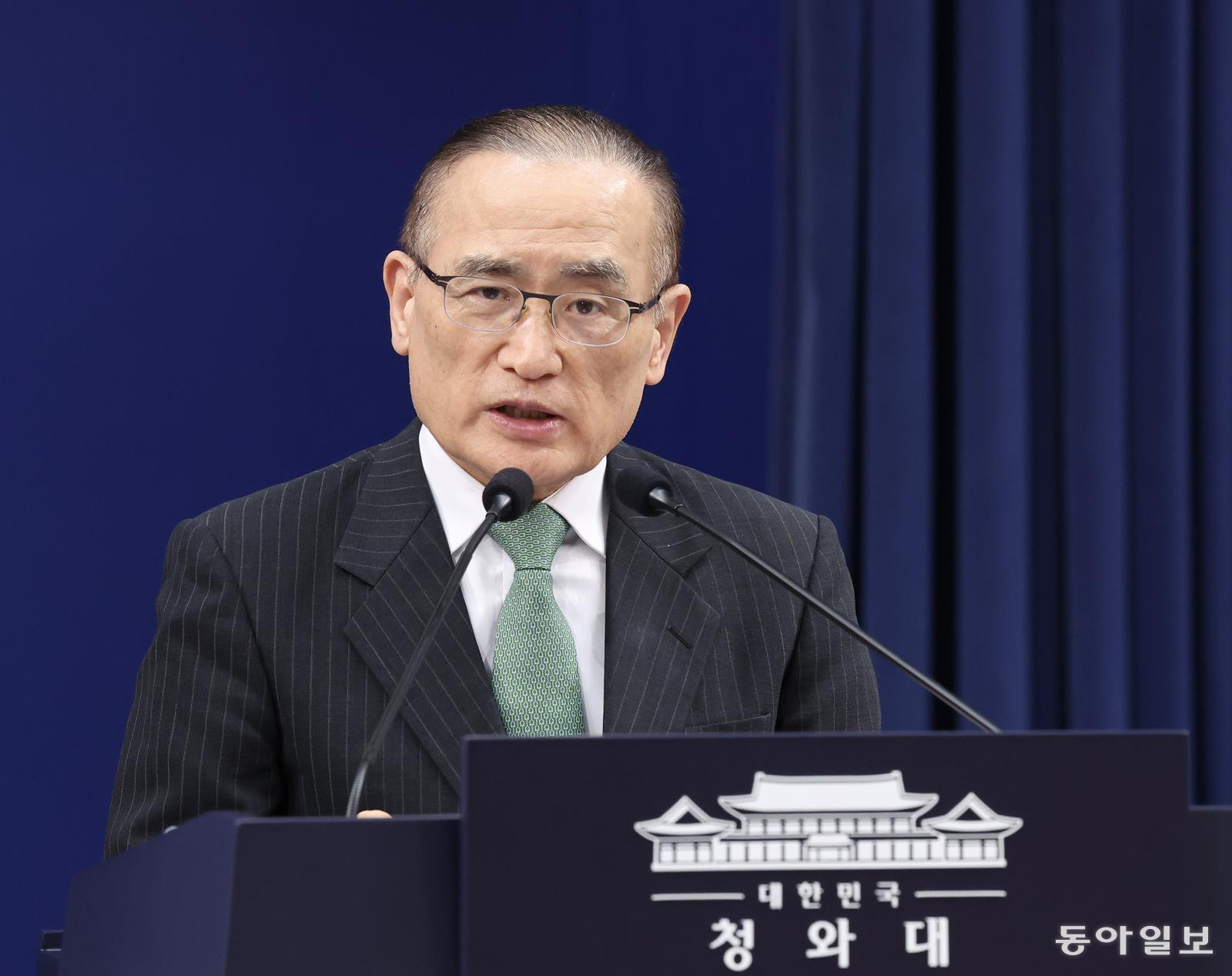
The announcement was made by Hyundai Motor Group Executive Vice Chairman Jae-hoon Jang at the Yeongnam Region Advanced Industry Development Vision National Report meeting, attended by President Lee Jae-myung. The investment blueprint includes establishing an AI-based autonomous vehicle manufacturing hub, creating clusters for key future components, driving manufacturing innovation through AI, developing future aerospace and space mobility technologies, and building sustainable infrastructure.
Hyundai Motor Group, which operates the world's largest single auto production plant in Ulsan, plans to convert its Ulsan plant into a core base for the future mobility industry. Starting in the fourth quarter of this year, the Ulsan EV (electric vehicle) plant will begin operations. The group also intends to build a manufacturing hub for AI-driven vehicles (AI DV) that can learn and make driving decisions based on vehicle data, advancing autonomous driving technology to Level 4 or higher, comparable to robotaxis.
Yeongnam is the optimal location for the demonstration and dissemination of advanced manufacturing innovation.
In addition to autonomous vehicles, Hyundai is focusing on building a hydrogen mobility ecosystem. The company is constructing a hydrogen fuel cell plant within the Ulsan complex, which it aims to develop into a strategic base for exporting clean energy. Key component clusters will be established across the Yeongnam region, including battery system assembly lines by Hyundai Mobis in Ulsan, and motor and controller production lines by Hyundai Mobis in Daegu. Hyundai Wia will produce thermal management systems for electric vehicles in Changwon, Gyeongsangnam-do.
We will build a virtuous cycle of developing AI manufacturing models using high-quality data accumulated so far, applying physical AI, and achieving manufacturing innovation.
The group also plans to leverage its extensive manufacturing data to develop AI models for advanced manufacturing innovation. In line with the government's plan to create an aerospace industry belt in the Gyeongnam region, Hyundai will expand its mobility business into urban air mobility, space launch vehicles, and lunar exploration rovers. The company has already established Supernal, a dedicated urban air mobility company, in the United States and plans to concurrently develop next-generation electric aircraft in the Yeongnam region to lead the domestic future aviation market.
We will concurrently develop next-generation aircraft based on electrification in the Yeongnam region to establish a foundation for leading the domestic future aviation market.
DistantNews Editorial
Originally published by Hankyoreh in Korean. Translated, summarized, and contextualized by our editorial team with added local perspective. Read our editorial standards.
More Stories
From Our Blog

What Gets Lost (and Found) When News Is Translated

The Critical Role of Diaspora Media in Global News

What Travellers Should Know About Countries with Restricted Press

A Digital Nomad's Guide to Following Local News

How the Same Story Looks Different in Different Countries
