

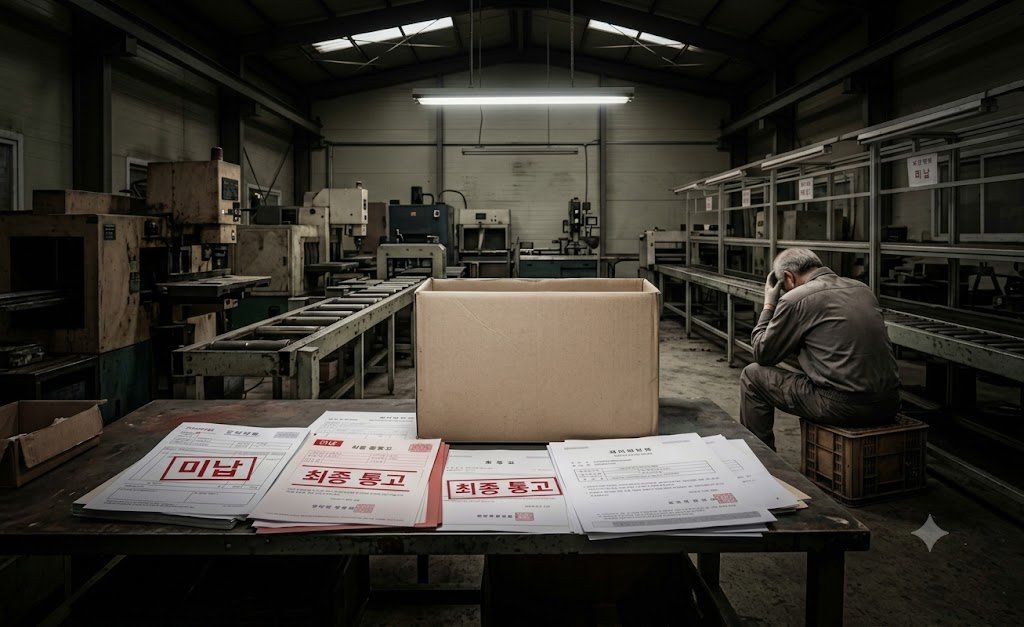

Hyundai Motor Must Negotiate Directly With Subcontractor Unions, South Korean Labor Committee Rules
Translated from Korean, summarized and contextualized by DistantNews.
At a glance
Analysis
Official statement
New plan
- A South Korean labor committee ruled that Hyundai Motor must directly negotiate with unions representing workers from its subcontractors.
- This decision, marking the first time a labor committee has recognized the primary manufacturer as the "real employer" for an auto industry subcontractor's union since the "Yellow Envelope Law" took effect, is expected to have significant repercussions across industries.
- The ruling broadens the interpretation of "effective control" to include non-production-related tasks, raising concerns among businesses about a potential domino effect of similar negotiation demands and increased labor disputes.
A landmark ruling by a South Korean regional labor committee has declared Hyundai Motor the "real employer" responsible for direct negotiations with unions representing workers from its subcontractors. This decision, the first of its kind in the auto industry since the "Yellow Envelope Law" came into effect, is anticipated to send significant shockwaves throughout the nation's industrial sector, given Hyundai's status as a major manufacturer with thousands of suppliers. The Central Labor Relations Commission had previously issued a similar ruling concerning Hanwha Ocean. The regional committee's interpretation of "effective control" has been notably broad, extending beyond core production processes to encompass workers in areas such as company cafeterias, security, cleaning, and vehicle sales. This expansive view of employer responsibility is fueling concerns among business circles about a potential cascade of similar negotiation demands from various subcontractor unions. Critics argue that this interpretation contradicts the Ministry of Employment and Labor's own guidelines issued in February, which had excluded non-production support services like cafeterias from constituting structural control by the primary firm. The potential for negotiation demands to expand indefinitely, particularly under the guise of industrial safety, could paralyze normal business operations. With over 1,100 negotiation requests already filed by the fifth of this month, and regional committees reportedly siding with subcontractor unions in over 80% of cases where employer status is contested, the industrial landscape faces considerable uncertainty. Businesses are calling for clear and consistent standards for determining employer status and measures to mitigate the potential negative consequences.
The cooking room, laundry room, and commuter bus, among other workplace facilities, cannot be improved by the subcontractor employer alone without Hanwha Ocean's cooperation and approval.
DistantNews Editorial
Originally published by Dong-A Ilbo in Korean. Translated, summarized, and contextualized by our editorial team with added local perspective. Read our editorial standards.
More Stories


From Our Blog

What Gets Lost (and Found) When News Is Translated

The Critical Role of Diaspora Media in Global News

What Travellers Should Know About Countries with Restricted Press

A Digital Nomad's Guide to Following Local News

How the Same Story Looks Different in Different Countries
