


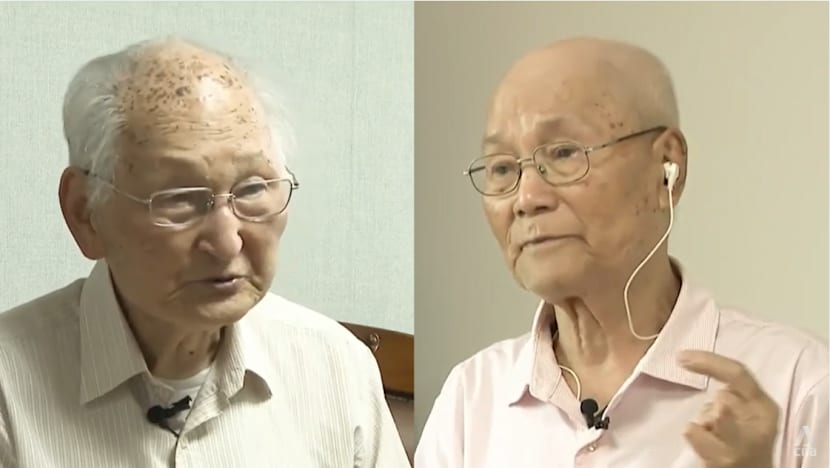
‘I’m not at peace’: 76 years after Korean War began, ex-prisoners still seek closure
Summarized and contextualized by DistantNews.
At a glance
In-depth
Sources not specified
Context piece
- Seventy-six years after the Korean War began, former prisoners of war still seek closure and peace.
- The war officially ended with an armistice in 1953, but a formal peace treaty has never been signed between North and South Korea.
- This unresolved state continues to affect those who experienced the conflict, leaving them without a sense of finality.
For many who endured the Korean War, the conflict's end in 1953 brought only a temporary cessation of hostilities, not true peace. Seventy-six years after the war's outbreak, former prisoners of war continue to grapple with a profound lack of closure. The signing of an armistice agreement halted the fighting, but the absence of a formal peace treaty between North and South Korea leaves a lingering shadow over the lives of those who experienced the war firsthand.
This unresolved status means that the deep wounds of the conflict have never fully healed. The lack of a definitive end to the war prevents many from finding the peace they seek. The armistice, while preventing further bloodshed, did not establish lasting reconciliation or a formal end to the state of war, leaving a generation marked by this historical ambiguity.
The ongoing division and the absence of a peace treaty continue to impact the emotional and psychological well-being of veterans and former captives. Their quest for closure highlights the enduring human cost of unresolved conflicts and the deep-seated need for formal reconciliation to achieve lasting peace.
DistantNews Editorial
Originally published by CNA. Summarized and contextualized by our editorial team with added local perspective. Read our editorial standards.
More Stories



From Our Blog

What Gets Lost (and Found) When News Is Translated

The Critical Role of Diaspora Media in Global News

What Travellers Should Know About Countries with Restricted Press

A Digital Nomad's Guide to Following Local News

How the Same Story Looks Different in Different Countries
