

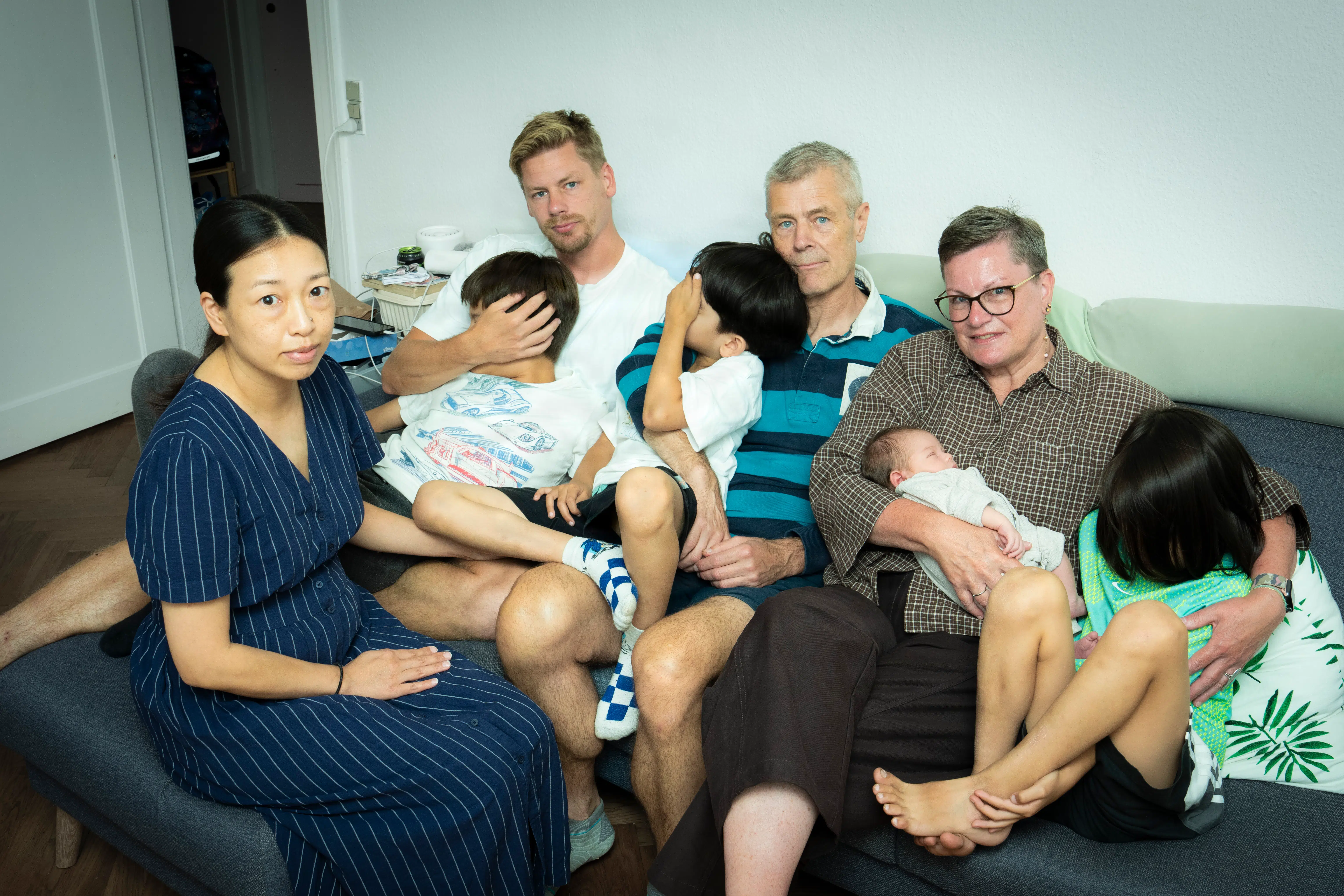
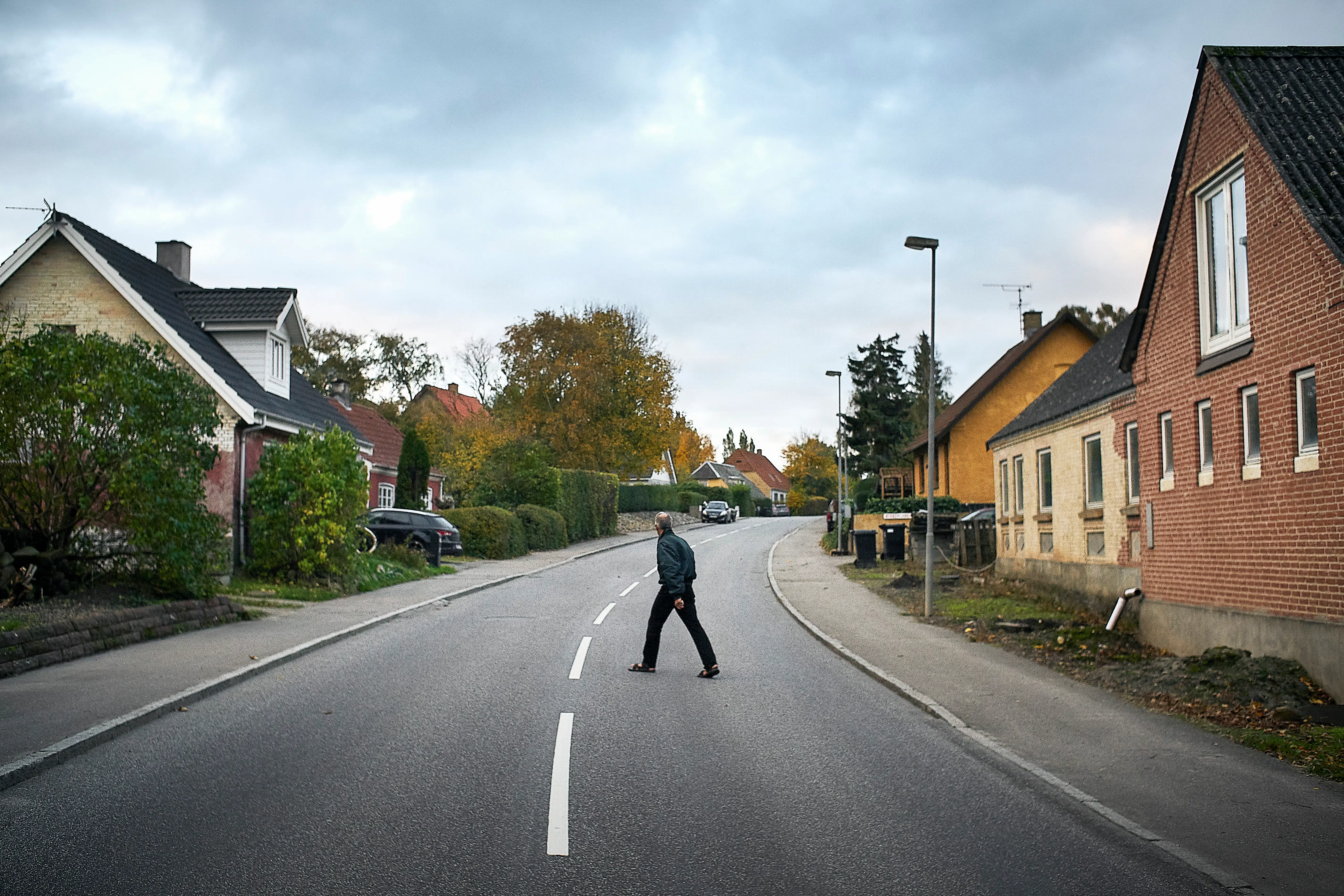
I moved to the countryside for a house and garden. Now I can't shake the feeling I'm doing my children a disservice.
Translated from Danish and summarized by DistantNews. Read the original for the full story.
At a glance
Opinion
Sources not specified
Context piece
- A parent has moved to the countryside seeking a house and garden but now questions if this decision disadvantages their children.
- The article prompts a societal reflection on the perceived drawbacks of raising children outside major urban centers.
- It suggests that choosing a rural lifestyle may inadvertently hinder children's future opportunities compared to their urban-raised peers.
The allure of a spacious house and a private garden in the countryside has led many families to leave bustling cities behind. However, for some parents who have made this transition, a nagging doubt has emerged: are they inadvertently compromising their children's future by choosing a rural life?
This piece delves into the growing concern that opting for a life outside metropolitan hubs, while seemingly responsible and desirable for parents, might place children at a disadvantage. It challenges the notion that rural living is universally beneficial, suggesting that societal structures and opportunities may increasingly favor those raised in or near urban environments.
The author poses a critical question: why does the choice to live in the countryside, a decision often seen as practical and grounded, now seem to put future generations in a less favorable position? This introspection calls for a broader examination of how our living choices impact our children's access to resources, education, and future prospects in an evolving world.
About this summary
Originally published by Berlingske in Danish. Translated, summarized, and contextualized automatically by DistantNews, with a note on how the source frames the story. Not individually reviewed before publishing. How this works.
More Stories

From Our Blog

What Gets Lost (and Found) When News Is Translated

The Critical Role of Diaspora Media in Global News

What Travellers Should Know About Countries with Restricted Press

A Digital Nomad's Guide to Following Local News

How the Same Story Looks Different in Different Countries
