


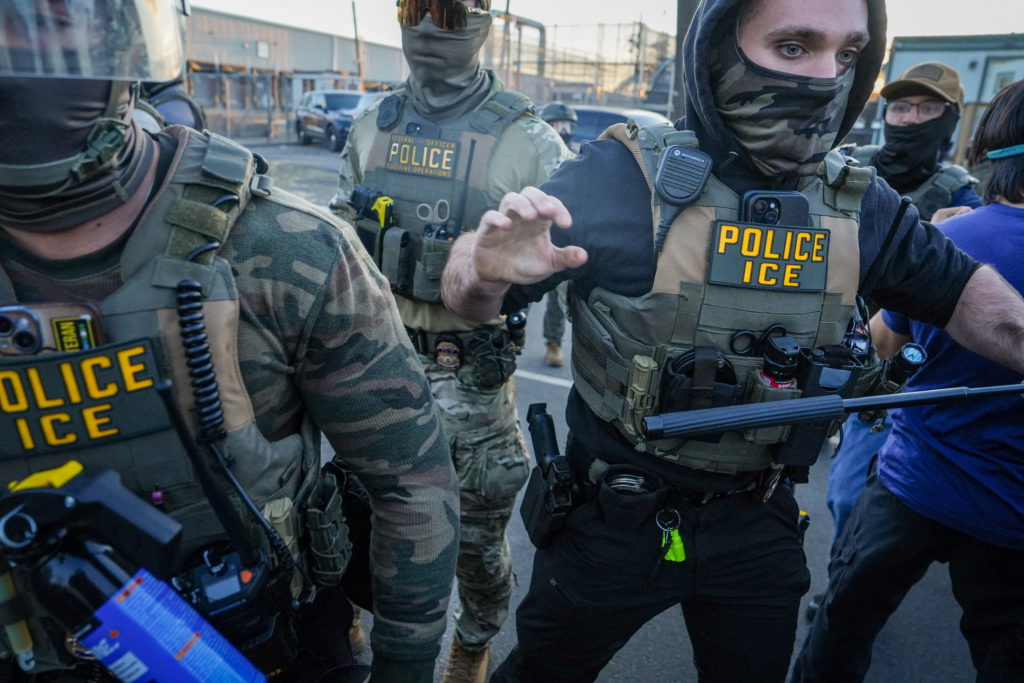
ICE body camera video release tied to agency's 'best interests,' policy states
Translated from English, summarized and contextualized by DistantNews.
At a glance
News
From a news agency
New plan
- U.S. Immigration and Customs Enforcement (ICE) will equip officers with body cameras within two months, but policy dictates video release only when in the agency's "best interests."
- This policy grants ICE broad discretion to withhold footage of sensitive encounters, potentially keeping taxpayers uninformed.
- Experts criticize the policy, suggesting it allows ICE to selectively release videos that present the agency favorably, using cameras as "image-work tools."
U.S. Immigration and Customs Enforcement (ICE) is set to equip its officers nationwide with body-worn cameras by the end of September, a rollout that has been delayed for years. The move comes amid increased pressure for accountability, particularly following recent fatal shootings by officers involved in immigration enforcement.
However, the agency's newly released policy raises concerns about transparency. It stipulates that video footage of shootings and other serious encounters where ICE agents cause death or serious injury will only be publicly released after determining that doing so is in the agency's "best interests." This provision grants the director significant discretion to decide which recordings are made public and which remain secret.
it is in the best interests of the agency
Experts in body camera policies view this approach critically. Christopher Schneider, a professor at Brandon University in Canada and co-author of "Police Body-Worn Cameras: Media and the New Discourse of Police Reform," commented that ICE is "saying the quiet part out loud." He suggests that body cameras are being utilized as "contemporary image-work tools to present the police to the public in the most favorable way possible."
The policy requires officers to activate cameras during routine enforcement activities, including arrests and warrant executions. Following serious confrontations, a committee of top ICE officials and lawyers will review footage and recommend release. While recordings could be released within 72 hours if deemed appropriate, the ICE director can block or indefinitely delay release under "specific and compelling circumstances," though the policy does not detail what these might be. ICE did not respond to inquiries about how these decisions would be made.
In some ways, ICE is saying the quiet part out loud. Body-worn cameras are being used as contemporary image-work tools to present the police to the public in the most favorable way possible.
DistantNews Editorial
Originally published by PBS NewsHour in English. Translated, summarized, and contextualized by our editorial team with added local perspective. Read our editorial standards.
More Stories



From Our Blog

How the Same Story Looks Different in Different Countries

What Gets Lost (and Found) When News Is Translated

The Critical Role of Diaspora Media in Global News

What Travellers Should Know About Countries with Restricted Press

A Digital Nomad's Guide to Following Local News
