


Iceland’s EU Referendum Defeat Prompts Call for a More Attractive Union
Translated from German and summarized by DistantNews. Read the original for the full story.
At a glance
News
Named sources
Outcome reported
- Icelandic voters rejected restarting EU accession negotiations, with 52.8% voting against and 47.2% in favor.
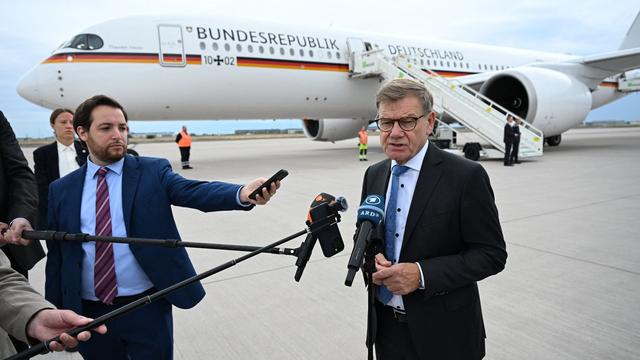
- German Foreign Minister Johann Wadephul called the result a setback and said the EU should improve its economic prospects and overall attractiveness.
- Fishing, a major and identity-defining sector in Iceland, remained a central argument against renewed negotiations.
Iceland’s decision to reject the resumption of European Union accession talks has prompted Germany to question why the bloc failed to attract more support. German Foreign Minister Johann Wadephul described the result as a defeat for the EU and said it should consider how to become more appealing.
That would have been a great chance to become stronger together.
The referendum was narrowly decided. Opponents received 52.8% of the vote, while 47.2% supported restarting the talks. Iceland had previously held accession negotiations, but those discussions were abandoned after a dispute centered largely on fishing, the island’s biggest and most identity-defining economic sector.
Wadephul said the vote showed that EU membership is not an automatic aspiration for every country. He called for closer attention to the economic prospects the bloc offers and said the EU should not lose sight of a possible northern enlargement that could include Iceland and Norway.
For the European Union, this means we must think about how we can become more attractive.
The result received support from British right-wing populist Nigel Farage and French National Rally leader Marine Le Pen. Farage congratulated Iceland on what he described as a decision to preserve its independence.
Congratulations to Iceland on the decision to preserve its independence.
EU accession negotiations require candidate countries to align with the bloc’s values and laws. Progress depends on how quickly a candidate implements the required reforms. Iceland’s Foreign Ministry had said before the referendum that its application, submitted in 2009, remained valid. During a visit about a year earlier, European Commission President Ursula von der Leyen described Iceland and the EU as close partners with shared values.
We share common values, know each other very well, and are like-minded, so we are close partners.
About this summary
Originally published by Der Spiegel in German. Translated, summarized, and contextualized automatically by DistantNews, with a note on how the source frames the story. Not individually reviewed before publishing. How this works.
More Stories

From Our Blog

What Gets Lost (and Found) When News Is Translated

How the Same Story Looks Different in Different Countries

The Critical Role of Diaspora Media in Global News

What Travellers Should Know About Countries with Restricted Press

A Digital Nomad's Guide to Following Local News
