

Iceland's EU referendum: 'No' to higher prices, but Euro remains divisive
Translated from German and summarized by DistantNews. Read the original for the full story.
At a glance
News
Sources not specified
Approved/passed
- Icelanders are voting on whether to begin accession talks with the European Union, with polls indicating a near-even split.
- Many citizens hope that adopting the Euro could bring financial stability and curb rising inflation, which has made Iceland expensive for tourists and residents alike.
- Despite the desire for economic stability, concerns about national sovereignty and the potential impact on Icelandic culture create division regarding EU membership.
Iceland is at a crossroads as it prepares to vote on whether to initiate accession talks with the European Union. Recent polls suggest a deeply divided nation, with public opinion evenly split on the prospect of joining the EU, a decision that carries significant economic and cultural implications.
For tourists, Iceland is expensive. In the capital Reykjavik, a cup of filter coffee costs around 5 Euros, a hot dog 5.30 Euros, a medium-sized beer in a restaurant 13 Euros, a Margherita pizza 21 Euros.
For many Icelanders, the primary motivation for considering EU membership and adopting the Euro is the hope for greater financial stability. The island nation is notoriously expensive; a cup of filter coffee can cost around 5 Euros, a hot dog 5.30 Euros, and a medium-sized beer in a restaurant 13 Euros. The overall price level in Iceland was 73.5 percent above the EU average last year. While higher wages help offset these costs for locals, persistent inflation, which the central bank struggles to control, continues to drive prices upward.
In the past year, the price level was 73.5 percent above the EU average.
The desire for the Euro stems from a belief that it could stabilize the economy and mitigate the effects of inflation. Some Icelanders feel that adopting the common currency would align their economic standing more closely with the rest of Europe, potentially easing the burden of high living costs. This sentiment suggests a yearning for predictability in their economic future.
However, prices are not only high – they are also constantly rising. The central bank is failing to curb inflation.
However, the debate is far from settled. Concerns about national sovereignty, the potential impact on Iceland's unique cultural identity, and the complexities of integrating into a larger political bloc remain significant hurdles. The prospect of relinquishing control over monetary policy and adhering to EU regulations raises questions about Iceland's autonomy. The upcoming referendum will therefore be a critical moment, reflecting a complex interplay between economic aspirations and national identity.
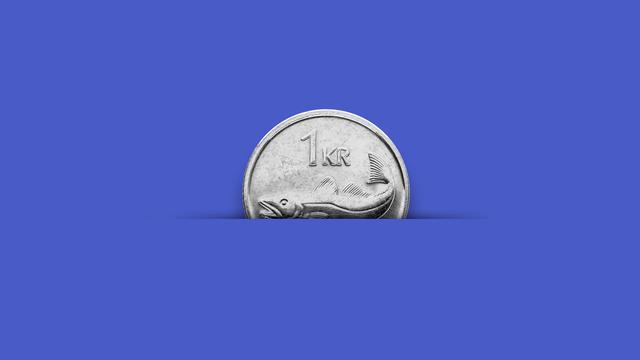
A majority of Icelanders therefore long for a new currency: the Euro.
About this summary
Originally published by Die Zeit in German. Translated, summarized, and contextualized automatically by DistantNews, with a note on how the source frames the story. Not individually reviewed before publishing. How this works.
More Stories

From Our Blog

What Gets Lost (and Found) When News Is Translated

How the Same Story Looks Different in Different Countries

The Critical Role of Diaspora Media in Global News

What Travellers Should Know About Countries with Restricted Press

A Digital Nomad's Guide to Following Local News
