

Iceland Votes on EU Membership Talks: A Referendum on Europe
Translated from German and summarized by DistantNews. Read the original for the full story.
At a glance
News
From a news agency
Approved/passed
- Icelanders are voting in a referendum on resuming EU accession talks, with the government pledging to abandon the bid if voters say no.
- Prime Minister Kristrún Frostadóttir supports renewed negotiations, citing potential benefits for a small nation in a changing world.
- The vote touches on economic integration, security concerns, and past failed attempts at EU membership, particularly regarding the vital fishing industry.
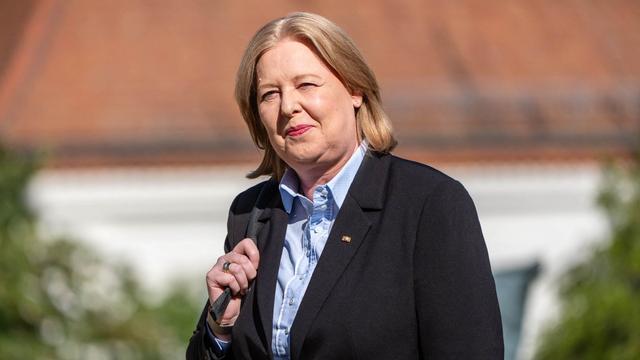
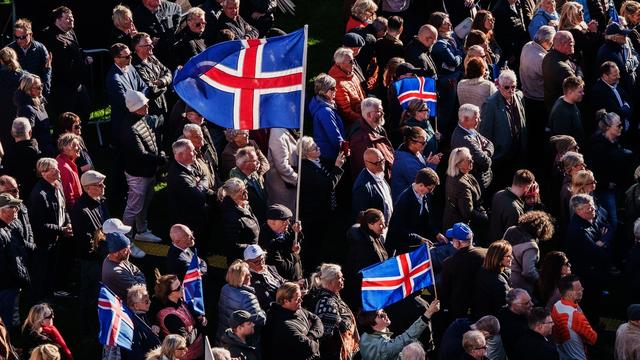
Iceland is at a crossroads today as its citizens cast ballots in a referendum that could reopen the door to European Union membership talks. More than 270,000 Icelanders are eligible to vote on whether to resume accession negotiations with Brussels. The outcome carries significant weight: Prime Minister Kristrún Frostadóttir has pledged that her government will drop the EU bid entirely if the referendum results in a "no."
I consider this one of the most important steps we can take to reduce risks.
Frostadóttir, whose Social Democratic government announced the referendum upon taking office in late 2024, has framed the potential for renewed talks as a crucial step to mitigate risks in an era of shifting international relations. "We see around us that countries in our neighborhood have been protected by the European Union," she stated, suggesting that closer ties could offer security for a small island nation. This sentiment has gained traction amid global uncertainties, including perceived threats to regional stability, such as those highlighted by former U.S. President Donald Trump's remarks regarding Greenland.
We see around us that countries in our neighborhood have been protected by the European Union.
While the referendum's "yes" vote would only greenlight new negotiations and not guarantee eventual membership, the preceding campaign has focused heavily on the advantages of full EU membership. Iceland already enjoys deep economic integration through the European Economic Area, granting access to the EU's single market. However, this comes without a say in crucial decision-making processes. The nation's history with EU aspirations includes a membership application during the 2009 financial crisis, which later stalled under an EU-skeptic government in 2013. A key sticking point in past discussions was the fishing industry, Iceland's largest economic sector, raising concerns about potential loss of sovereignty.
We are promised that Iceland will quickly return to the negotiating table.
About this summary
Originally published by Die Zeit in German. Translated, summarized, and contextualized automatically by DistantNews, with a note on how the source frames the story. Not individually reviewed before publishing. How this works.
More Stories
From Our Blog

What Gets Lost (and Found) When News Is Translated

How the Same Story Looks Different in Different Countries

The Critical Role of Diaspora Media in Global News

What Travellers Should Know About Countries with Restricted Press

A Digital Nomad's Guide to Following Local News
