

IEA expects global oil demand to fall amid Iran war, high gas prices
Translated from English, summarized and contextualized by DistantNews.
At a glance
News
Named sources
Context piece
- The International Energy Agency (IEA) predicts a global oil demand decrease due to high gas prices and disruptions from the Iran war.
- The Strait of Hormuz closure is limiting oil supply, contributing to elevated prices and reduced consumption.
- Canadian consumers face higher gasoline prices, with the federal fuel excise tax pause set to expire soon.
Global oil demand is set to decline as elevated gas prices and disruptions stemming from the Iran war force consumers and businesses to cut back, according to the International Energy Agency (IEA). The agency's latest oil market report indicates a reduction in its forecast for global oil demand in the latter half of 2026. This downward revision is attributed to the ongoing closure of the Strait of Hormuz, which is disrupting international supply chains and limiting product availability. The IEA noted that "elevated fuel prices are putting further downward pressure on oil use."
Our forecast for global oil demand in the second half of 2026 is reduced by roughly 550 kb/d [thousand barrels per day] versus last month’s Report, as the continued closure of the Strait of Hormuz disrupts international supply chains and curtails product availability.
The conflict has significantly impacted global oil supplies, with approximately one-fifth of the world's oil unable to reach markets due to severe restrictions on cargo traffic through the narrow Strait of Hormuz. This is driven by fears of attacks by Iran, which has stated it will not allow passage until its demands, including financial compensation for alleged war damages, are met.
Elevated fuel prices are putting further downward pressure on oil use.
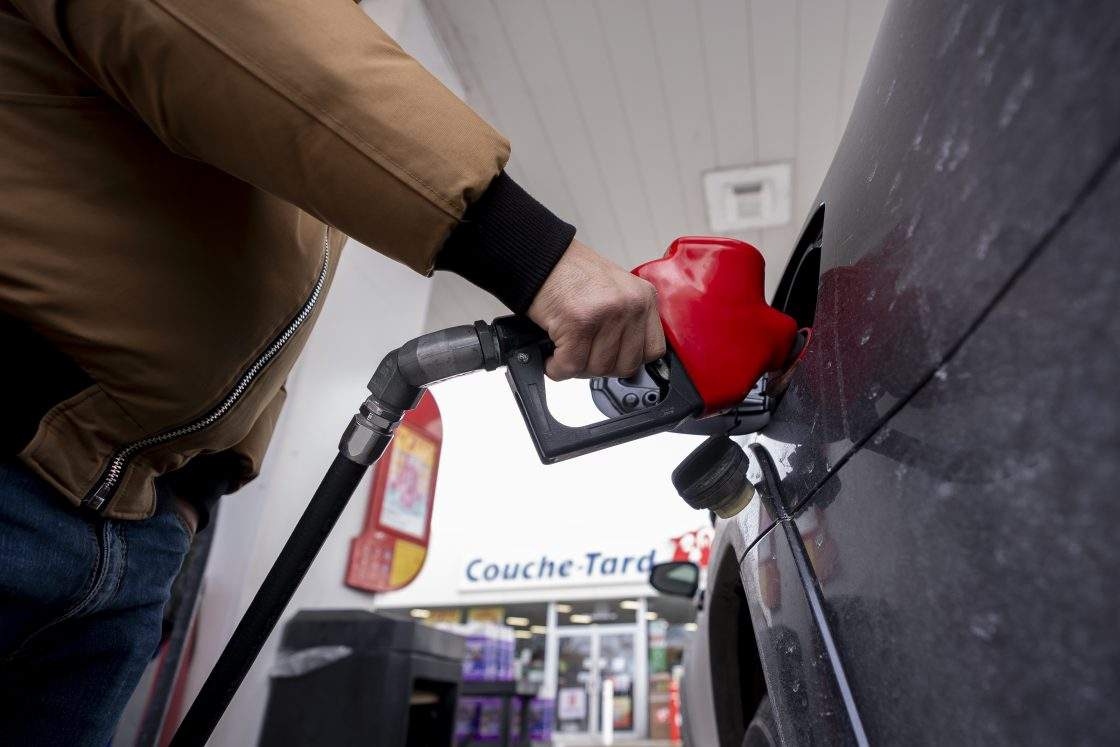
In Canada, consumers are experiencing higher gasoline prices. The national average price for regular-grade gasoline is around $1.68 per litre, significantly up from a week ago and nearly 35 cents higher than a year earlier. While the federal government's temporary pause on the fuel excise tax provided some relief, this measure is set to expire next month, potentially leading to further financial strain for consumers if prices remain high.
World oil demand is forecast to decline by 1.6 mb/d [million barrels per day] in 2026, 510 kb/d more than our estimate in last month’s Report, as the ongoing closure of the Strait of Hormuz and elevated fuel prices continue to weigh on oil consumption.
DistantNews Editorial
Originally published by Global News in English. Translated, summarized, and contextualized by our editorial team with added local perspective. Read our editorial standards.
More Stories


From Our Blog

What Gets Lost (and Found) When News Is Translated

The Critical Role of Diaspora Media in Global News

What Travellers Should Know About Countries with Restricted Press

A Digital Nomad's Guide to Following Local News

How the Same Story Looks Different in Different Countries
