


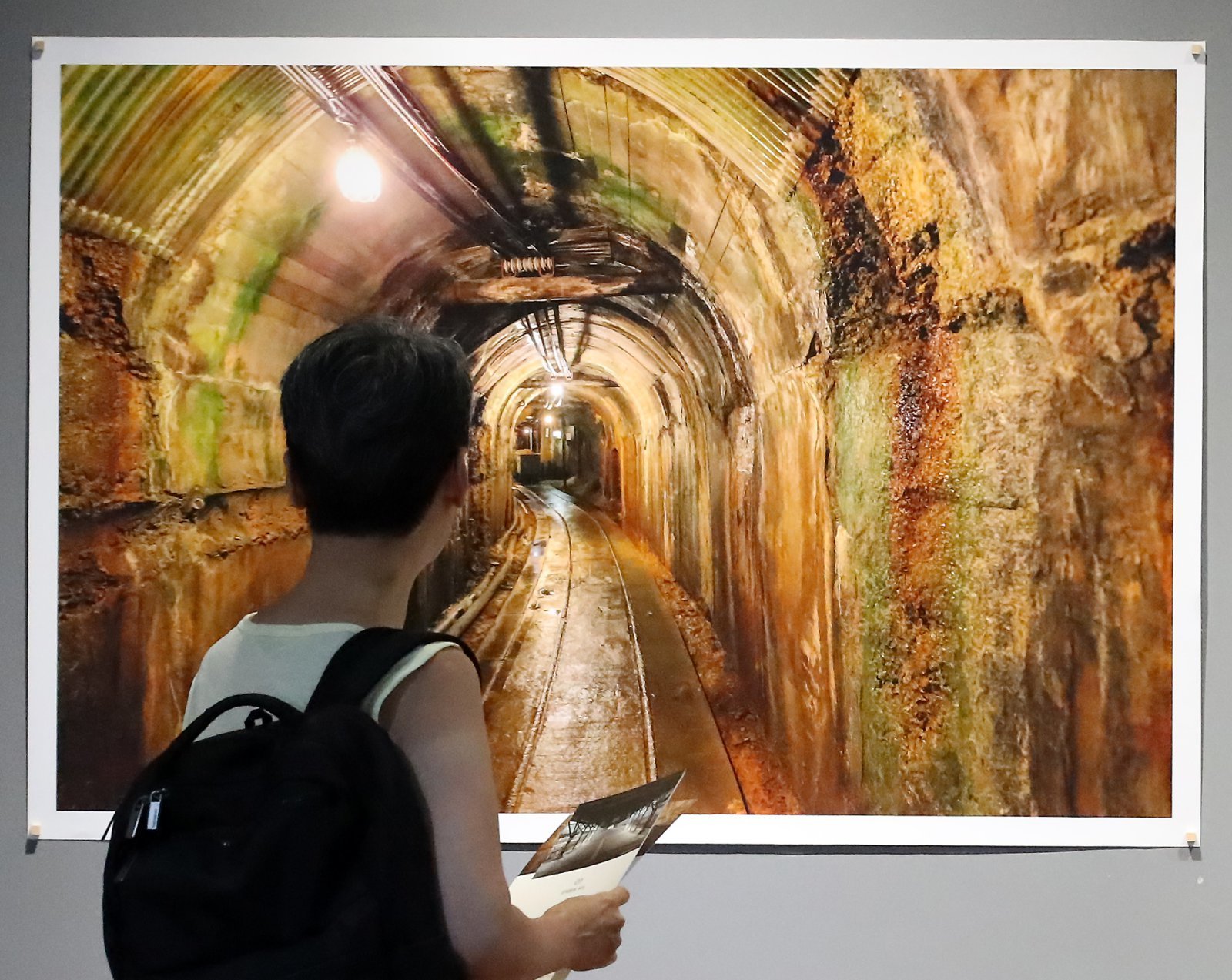

If you keep searching, you meet; if you long, you reach each other
Translated from Korean and summarized by DistantNews. Read the original for the full story.
At a glance
In-depth
Named sources
Context piece
- A Korean book collector acquired what appeared to be a unique 1925 edition of Kim So-wol's poetry collection, “Azaleas.”
- The discovery led him to meet Kim's son, who had long felt the absence of his father's surviving belongings.
- The article follows the collector's search for rare modern Korean literary works and his discovery of childhood writing by poets Park Du-jin and Oh Jang-hwan.
A rare book brought a collector face to face with the son of one of Korea's best-known poets. In 1994, Yoon Gil-su found an unusual edition of Kim So-wol's 1925 collection “Azaleas,” whose title used the old spelling “ᄭᅩᆺ” rather than the familiar modern form. The book had no flower illustration on its cover and appeared to be a unique surviving copy.
The price was 3 million won at the time, more than 30 million won in today's value, Yoon says. He canceled his savings account the next day and bought it. About a year later, a bookseller invited him to a Chinese restaurant near Dongdaemun, where he met Kim Jeong-ho, said to be So-wol's third son.
Kim told Yoon that he had no belongings left from his father and wanted to see the collection after hearing about it. He was three when his father died. After the Korean War, Kim lived in the South, worked selling newspapers on trains and later sold records. He also worked for a time as a guard at the National Assembly after seeking help from poet Seo Jeong-ju. He told Yoon that a publisher had once paid him a token sum instead of royalties and that the composer of “Mother and Sister” had visited him.
I had nothing left of my father, so I always felt empty. I heard about your poetry collection and wanted to see it, so I came despite my embarrassment.
The article turns from that encounter to Yoon's wider collecting life. A 2024 survey conducted for the National Museum of Korean Literature counted surviving modern-literature materials in public, university and private collections. The National Library of Korea held 789 volumes, while Yoon's collection held 399, placing him second among the private collectors listed.
In 2014, Yoon found a 1928 student anthology from Anseong Public Ordinary School. It included a Japanese-language congratulatory piece by Park Du-jin for the Japanese emperor's accession and a Korean children's poem, “Night,” by Oh Jang-hwan. Yoon described the discovery as a moment when he twice had to calm his racing heart: the two future poets had been fifth-grade classmates, and Oh's poem had survived among missing pages. The article ends with the idea that objects in the world each have their own owner, and that patient searching can bring people and memories together.
I was collecting old books when I sometimes felt a shiver. They were fifth-grade classmates, and Oh Jang-hwan's pages were still hanging on instead of falling away.
About this summary
Originally published by Hankyoreh in Korean. Translated, summarized, and contextualized automatically by DistantNews, with a note on how the source frames the story. Not individually reviewed before publishing. How this works.
More Stories


From Our Blog

News in Translation: What Gets Lost, and How We Keep the Framing

Diaspora Media: How Communities Follow News From Home

Traveling Where the Press Is Not Free: How to Read the News There

The Digital Nomad's Guide to Local News

The Same Story, Different Countries: How Coverage Changes at the Border
