

Ignorance in public debate is the biggest threat to education, says Danish lecturer
Translated from Danish, summarized and contextualized by DistantNews.
At a glance
Opinion
Named sources
Context piece
- A Danish lecturer argues that ignorance in public debate is the biggest threat to education, not screens or AI.
- He criticizes a commentator for repeating factual errors and presenting an oversimplified view of schooling.
- The lecturer emphasizes the importance of checking statements and making an effort in democratic discourse.
A Danish lecturer is challenging the prevailing narrative that screens and artificial intelligence are the primary culprits behind a "reading crisis" in Denmark. He argues that a more significant threat to education and democratic discourse is the pervasive ignorance found in public debate.
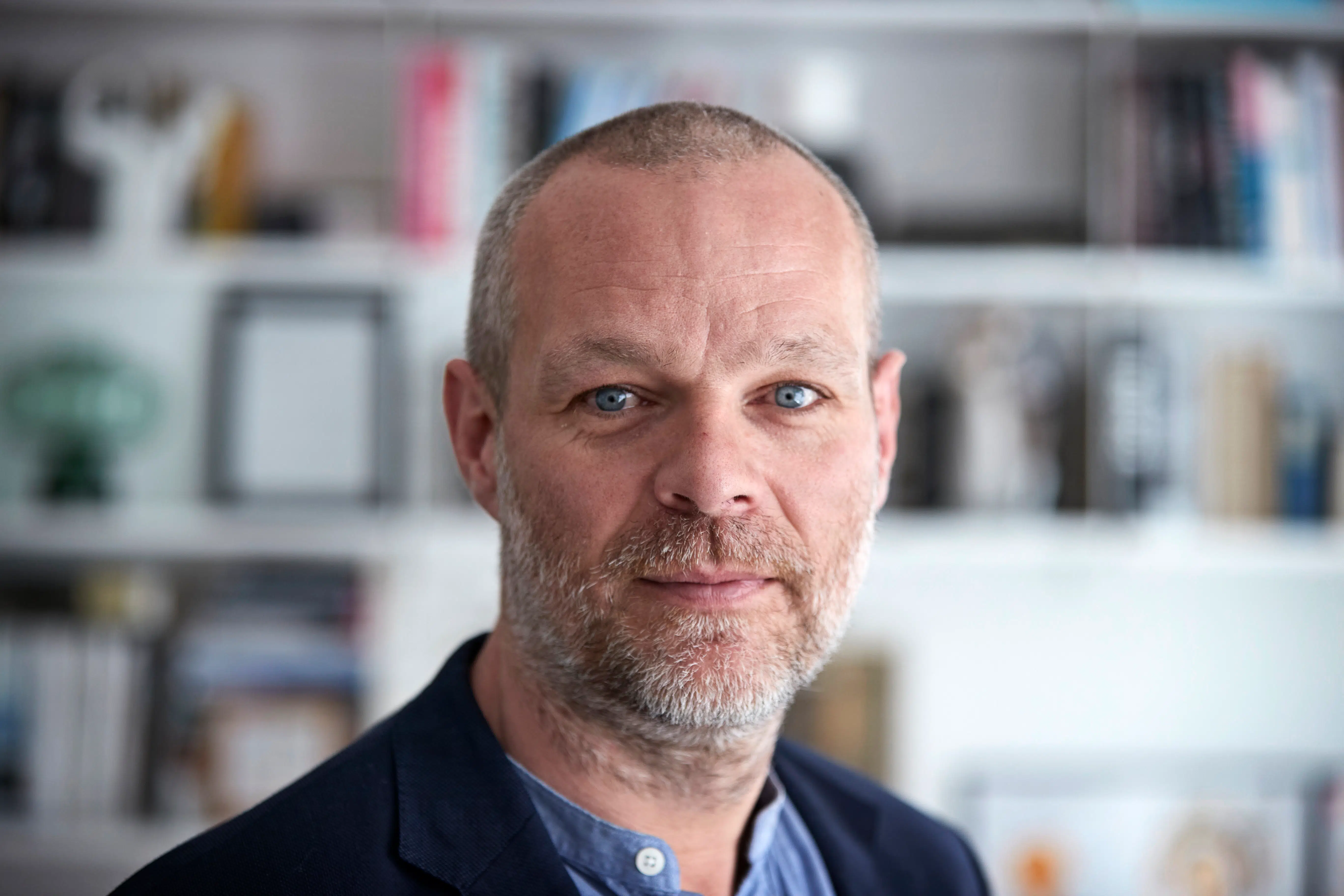
Writing in Berlingske, the lecturer, Simon Skov Fougt, a lecturer and Ph.D. at DPUS, directly addresses a commentator, Christian Egander Skov, accusing him of repeating factual errors and presenting a "grossly simplified picture" of schooling. Fougt contends that such inaccuracies and oversimplifications are detrimental to serious discussion and undermine the credibility of those making them.
The screen warrior Skov has apparently not yet gone on summer vacation, and I think he needs it.
Fougt stresses that democratic debate should be characterized by a commitment to accuracy and diligence. "It does not suit the democratic debate, which should be characterized by checking one's statements, especially if one wants to be taken seriously," he stated. He implies that the commentator needs a break, suggesting, "The screen warrior Skov has apparently not yet gone on summer vacation, and I think he needs it."
The lecturer's intervention highlights a concern about the quality of public discourse in Denmark, suggesting that a lack of factual grounding and a tendency towards simplistic arguments are hindering productive conversations about education and other critical issues. He calls for greater care and accuracy from commentators to foster a more informed and robust public sphere.
It does not suit the democratic debate, which should be characterized by checking one's statements, especially if one wants to be taken seriously.
DistantNews Editorial
Originally published by Berlingske in Danish. Translated, summarized, and contextualized by our editorial team with added local perspective. Read our editorial standards.
More Stories


From Our Blog

What Gets Lost (and Found) When News Is Translated

The Critical Role of Diaspora Media in Global News

What Travellers Should Know About Countries with Restricted Press

A Digital Nomad's Guide to Following Local News

How the Same Story Looks Different in Different Countries
