


Illnesses surge in quake-hit Venezuelan communities as humanitarian crisis builds
Summarized and contextualized by DistantNews.
At a glance
News
From a news agency
Context piece
- Victims of recent earthquakes in Venezuela are experiencing a surge in illnesses due to deteriorating living conditions.
- The UN has appealed for $300 million to aid 1.3 million people in Venezuela, where NGOs previously faced government repression.
- Mobile relief services are providing aid in the hardest-hit areas, addressing needs like skin conditions, diarrhea, and chronic illnesses.
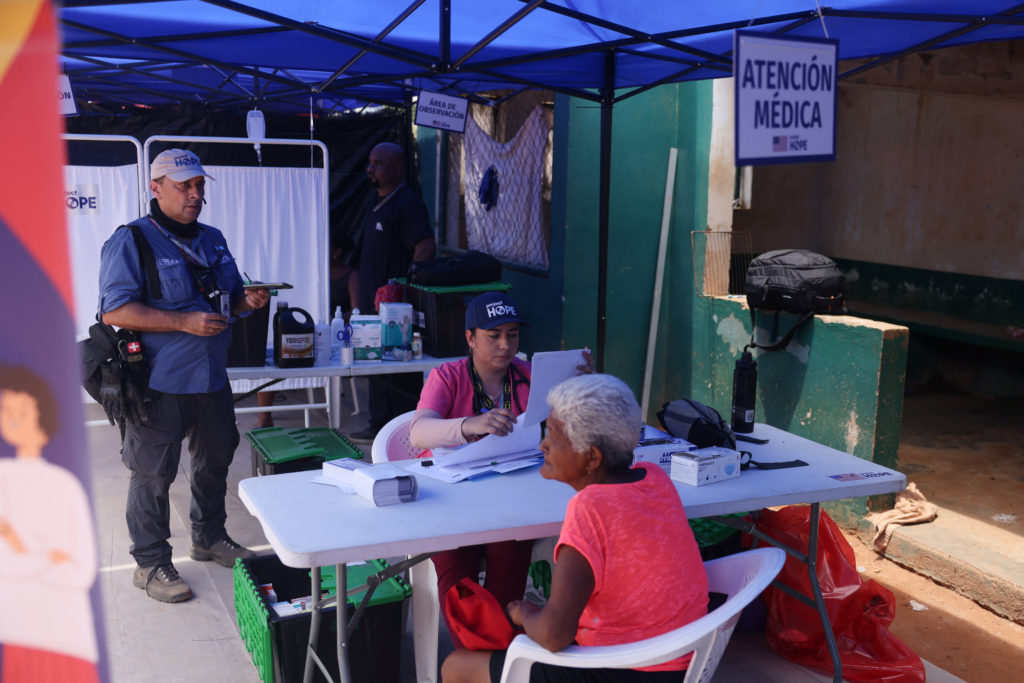
In Venezuela's hardest-hit areas, victims of twin earthquakes that struck last month are now grappling with a surge in illnesses, compounding the nation's growing humanitarian crisis. Residents, both those displaced by the quakes and those spared, are flocking to relief services offered by non-governmental organizations.
The United Nations has launched an appeal for approximately $300 million to assist 1.3 million people in urgent need. This comes at a time when, until recently, NGOs in Venezuela were often targets of government repression. Mobile kitchens, clinics, and field hospitals have been set up in public spaces across the northern state of La Guaira, the region most affected by the devastation.
It is clear at displacement sites that, particularly after two weeks, that people are turning up because they haven't been able to get their other treatments. So, they're not turning up with just the fractures now, they're turning up with those longer-term health needs. And it's vital that we're there for them.
U.N. relief chief Tom Fletcher noted that people are seeking treatment for longer-term health needs, not just immediate injuries like fractures. "It is clear at displacement sites that, particularly after two weeks, that people are turning up because they haven't been able to get their other treatments," Fletcher told The Associated Press. "So, they're not turning up with just the fractures now, they're turning up with those longer-term health needs. And it's vital that we're there for them."
Doctors in Catia La Mar community reported an increase in skin conditions and diarrheal diseases. They are also seeing more requests for medications for chronic illnesses such as diabetes and high blood pressure. These emerging diseases are linked to crowded living conditions and poor water and sanitation, issues that often predated the earthquakes. Irma Echarri, 67, sought treatment for pain in her nose following the earthquakes, highlighting the immediate physical toll. Her home was undamaged, but many neighbors are living in temporary shelters or outdoors after hundreds of buildings collapsed or were damaged, leaving thousands homeless.
It hurts a lot. It hurts because it hurts.
DistantNews Editorial
Originally published by PBS NewsHour. Summarized and contextualized by our editorial team with added local perspective. Read our editorial standards.
More Stories


From Our Blog

How the Same Story Looks Different in Different Countries

What Gets Lost (and Found) When News Is Translated

The Critical Role of Diaspora Media in Global News

What Travellers Should Know About Countries with Restricted Press

A Digital Nomad's Guide to Following Local News
