


IMF: South Korea's housing shortage hinders economic growth
Translated from Korean and summarized by DistantNews. Read the original for the full story.
At a glance
News
Sources not specified
Context piece
- The IMF identified South Korea's housing shortage as a significant impediment to investment and economic growth.
- Insufficient housing supply drives up home prices and rents, creating a burden for residents and hindering labor mobility.
- Strict land use and zoning regulations, along with demographic shifts and labor market rules, also contribute to constraining growth.
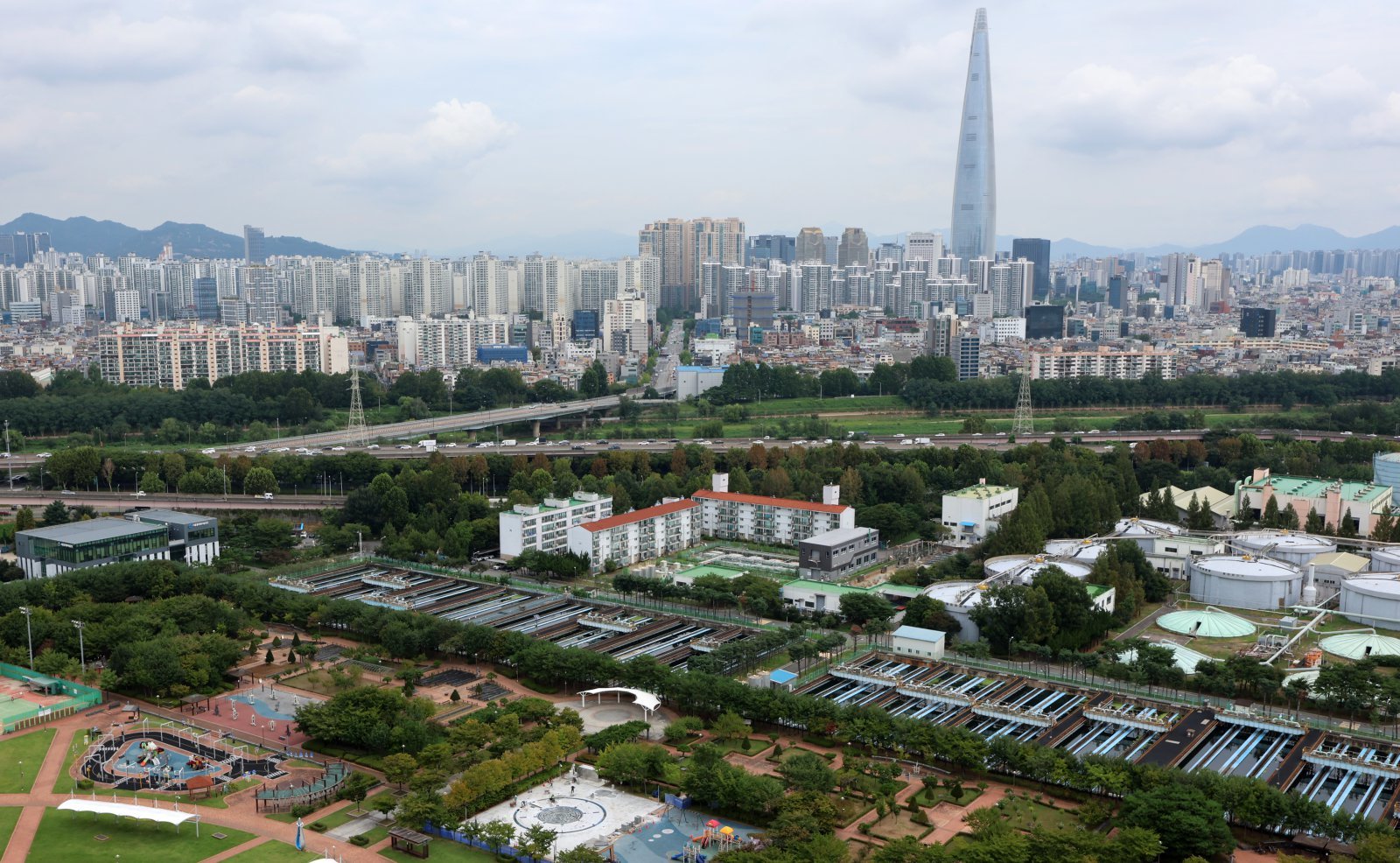
South Korea's economic growth is being hampered by a persistent shortage of housing, according to a new report from the International Monetary Fund (IMF). The IMF's "G20 Strong, Sustainable, Balanced, and Inclusive Growth Report 2026" points to a critical imbalance between housing demand and supply, which is driving up both home prices and rental costs.
This housing affordability crisis not only burdens citizens but also impedes the efficient movement of labor, a key factor for economic dynamism. The IMF cited examples, such as in the UK and Seoul, where prohibitively high housing costs in job-rich areas can deter workers from relocating for better employment opportunities. This mismatch between labor and jobs can lead to reduced productivity and act as a drag on medium-to-long-term economic expansion.
Beyond affordability, the IMF also highlighted the restrictive nature of land use and zoning regulations in South Korea. These regulations, while intended to guide urban development, can excessively limit the efficient use of land and hinder the construction of new housing and buildings. This, in turn, can lower construction sector productivity, with ripple effects across the broader economy.
Furthermore, the report identified demographic changes and stringent labor market regulations as additional structural constraints on South Korea's growth. The IMF noted that policies to adequately address healthy aging and expand labor market participation for the elderly are insufficient. South Korea was grouped with countries like Italy for having excessive labor market policies and regulations that restrict growth. The IMF recommended reforms in tax administration, pension systems, worker training, reducing gender gaps in the labor market, and easing product market regulations to address these challenges.
About this summary
Originally published by Dong-A Ilbo in Korean. Translated, summarized, and contextualized automatically by DistantNews, with a note on how the source frames the story. Not individually reviewed before publishing. How this works.
More Stories


From Our Blog

What Gets Lost (and Found) When News Is Translated

The Critical Role of Diaspora Media in Global News

What Travellers Should Know About Countries with Restricted Press

A Digital Nomad's Guide to Following Local News

How the Same Story Looks Different in Different Countries
