


In Arab culture, it is said, ‘When a thief is asked to take an oath, he replies, ‘Relief has come!’
Summarized and contextualized by DistantNews.
At a glance
Analysis
Sources not specified
Context piece
- The article criticizes Iran's foreign policy, describing it as arrogant and expansionist since the 1979 revolution.
- It alleges Iran's strategy relies on religious and ideological influence, aiming for regional control rather than direct conflict with the US or Israel.
- The author claims Iran's internal divisions and lack of a clear decision-maker create regional instability and threaten global economic security, including food supplies.
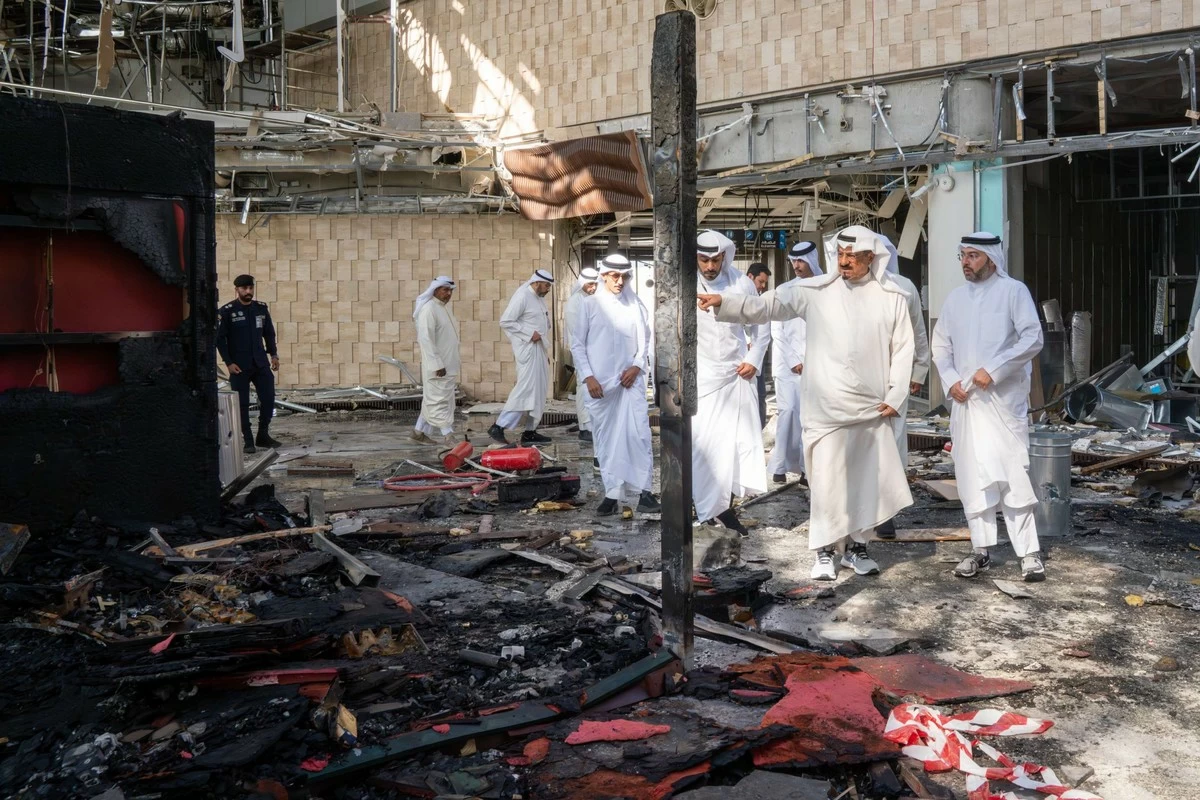
Iran's recent apology for shelling Gulf states, quickly retracted by the Revolutionary Guard, exemplifies the country's erratic and self-serving foreign policy, according to the Arab Times. The publication asserts that since 1979, Iran has operated as a "multiheaded entity," driven by arrogance and expansionist ambitions rooted in an outdated ideology.
The core of Iran's strategy, the article contends, is not direct confrontation with perceived enemies like the US or Israel, but rather the exertion of religious and ideological influence over regional populations. This approach, described as "sectarian" and driven by "madmen," aims to achieve strategic integration and revive a "Persian Empire" fantasy, contrasting with Israel's pursuit of a "Greater Israel."
This internal disarray, characterized by a lack of consensus and a "true decision-maker," leads to dangerous regional chaos. The article points to the Islamabad negotiations, where a large Iranian delegation reportedly engaged in infighting, as evidence of this dysfunction. The delay in responses to American messages further highlights this absence of clear leadership.
The author warns that Iran's continued threats to close vital shipping lanes like the Bab el-Mandeb and Strait of Hormuz could severely exacerbate the global economic crisis and inflation. While the Gulf states are considered among the least affected, Europe and other regions face significant impacts on oil, gas, and food prices. The article concludes by accusing Iran of pursuing a "systematic policy of starvation," contributing to acute hunger for millions worldwide.
DistantNews Editorial
Originally published by Arab Times. Summarized and contextualized by our editorial team with added local perspective. Read our editorial standards.
More Stories

From Our Blog

What Gets Lost (and Found) When News Is Translated

The Critical Role of Diaspora Media in Global News

What Travellers Should Know About Countries with Restricted Press

A Digital Nomad's Guide to Following Local News

How the Same Story Looks Different in Different Countries
