

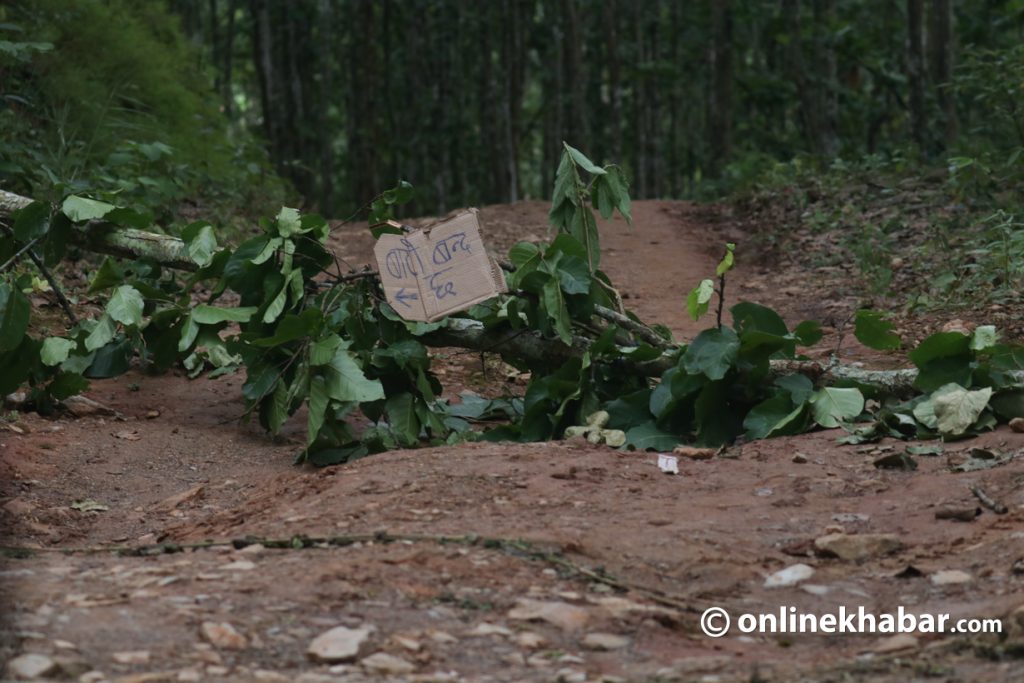

In Baglung village, Mukhiya endures as keeper of customs and harmony
Summarized by DistantNews. Read the original for the full story.
At a glance
In-depth
Sources not specified
Context piece
- The Mukhiya system, a traditional village chief role, persists in Taman village, Baglung, Nepal, functioning as a custodian of customs and social order.
- While lacking formal state authority, the Mukhiya, elected by a village assembly, coordinates festivals, manages livestock migration, and ensures adherence to community practices.
- This system complements modern governance by preserving local traditions and facilitating collective action, particularly in managing seasonal grazing cycles.
In Taman village, nestled in Nepal's Baglung district, the traditional Mukhiya system endures, not as an administrative authority, but as a vital institution preserving community rules, culture, and social harmony. While the system largely faded across Nepal with the end of the Rana regime and the rise of modern local governance, Taman continues to uphold this tradition.
The current Mukhiya, 46-year-old Govinda Bahadur Budha, was elected by a village assembly for a three-year term. His role differs significantly from historical precedents; it carries no state power for tax collection or formal administration. Instead, the Mukhiya acts as a guardian of local customs, orchestrating village festivals, overseeing the seasonal movement of livestock, and ensuring that villagers adhere to long-established community practices. Decisions made collectively through the Mukhiya system still command deep respect among residents.
Budha emphasizes that his responsibility is not about power but about safeguarding traditions that have guided the village for generations. His duties extend beyond cultural matters to include organizing village clean-up campaigns, collective labor programs, and agricultural activities. When community work is needed, a village crier, the Katuwal, makes public announcements, and participation is expected from all residents.
The Mukhiya's influence is particularly evident in Taman's unique seasonal livestock migration, known as ‘chan’. This system involves moving cattle, buffaloes, sheep, and goats between different pastures throughout the year according to the season. For instance, during the Baishakhe Chan, herds graze in highland pastures until mid-July. The Saune Chan moves them to monsoon pastures until October, followed by a return to village-area pastures during Kartike Chan. In winter, livestock are moved to lower valleys, with sheep often taken furthest downhill to graze on stored fodder. This cyclical movement allows for adaptive livestock management based on changing weather and pasture conditions, all organized under the traditions maintained by the Mukhiya system.
The responsibility is not about power. It is about protecting traditions that have guided this village for generations. People still respect decisions made collectively through the Mukhiya.
About this summary
Originally published by Kathmandu Post. Summarized and contextualized automatically by DistantNews, with a note on how the source frames the story. Not individually reviewed before publishing. How this works.
More Stories


From Our Blog

News in Translation: What Gets Lost, and How We Keep the Framing

Diaspora Media: How Communities Abroad Follow Home

Traveling Where the Press Is Not Free: How to Read the News There

The Digital Nomad's Guide to Local News

The Same Story, Different Countries: How Coverage Changes at the Border
