


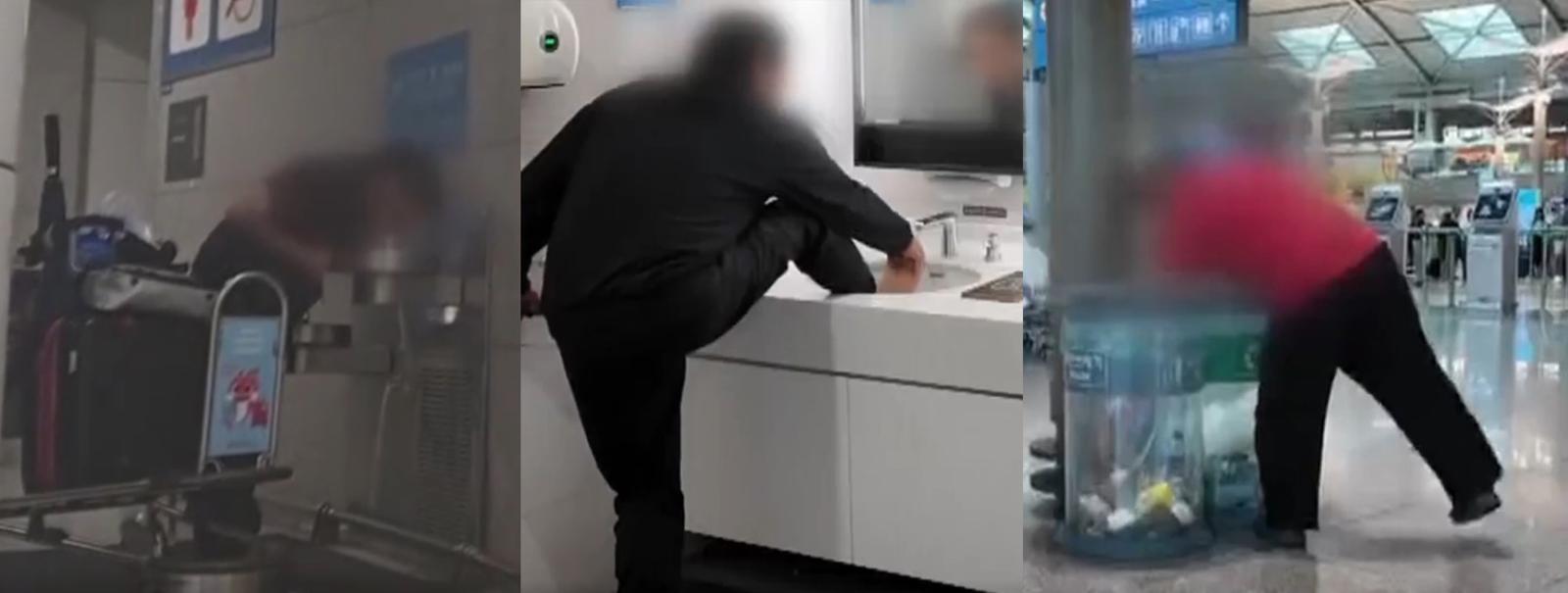
Incheon Airport Overrun by Homeless Individuals, Disrupting Passengers and Staff
Translated from Korean, summarized and contextualized by DistantNews.
At a glance
News
Sources not specified
Context piece
- Homeless individuals are overstaying at Incheon International Airport, causing disturbances and inconveniencing passengers and staff.
- Problems include monopolizing outlets, sleeping in passenger areas, and littering, with cleaning staff facing significant difficulties.
- Airport authorities lack a system to monitor and manage the homeless population, highlighting the need for solutions.
Incheon International Airport, South Korea's primary gateway, is struggling with a growing issue of homeless individuals using its facilities for long-term stays. These individuals have been observed occupying public spaces for over a month, monopolizing electrical outlets, sleeping on passenger chairs with bedding, and foraging for food in trash bins.
The behavior of some homeless individuals has led to confrontations with airport users, including verbal abuse and unsanitary practices like urinating in restrooms and on seating areas. Cleaning staff bear the brunt of the problem, facing constant challenges from individuals washing clothes or using excessive supplies in restrooms, leaving areas flooded. One cleaner expressed feeling like they were working for the homeless rather than the airport's passengers.
I feel like I'm cleaning not for customers, but for the homeless.
When confronted about the impact on cleaning staff, some homeless individuals responded dismissively, suggesting the staff are paid to handle such tasks. This attitude underscores a lack of awareness or concern for the disruption caused.
Currently, there is no dedicated system within the airport to monitor or count the homeless population, leading to calls for the implementation of specific measures to address the situation. The airport's image as a first impression for international visitors is being tarnished by these ongoing issues.
Aren't they paid people?
DistantNews Editorial
Originally published by Dong-A Ilbo in Korean. Translated, summarized, and contextualized by our editorial team with added local perspective. Read our editorial standards.
More Stories



From Our Blog

What Gets Lost (and Found) When News Is Translated

The Critical Role of Diaspora Media in Global News

What Travellers Should Know About Countries with Restricted Press

A Digital Nomad's Guide to Following Local News

How the Same Story Looks Different in Different Countries
