


Inclusive finance focused on loans and debt relief needs to support early-stage defaulters
Translated from Korean, summarized and contextualized by DistantNews.
At a glance
News
Sources not specified
Context piece
- South Korea's inclusive finance policy primarily focuses on expanding loans and debt relief for low-income individuals.
- Critics argue the policy neglects those newly experiencing delinquency or rapid declines in repayment ability.
- Experts suggest offering opportunities to switch to lower-interest loans and proactive risk management to prevent long-term debt.
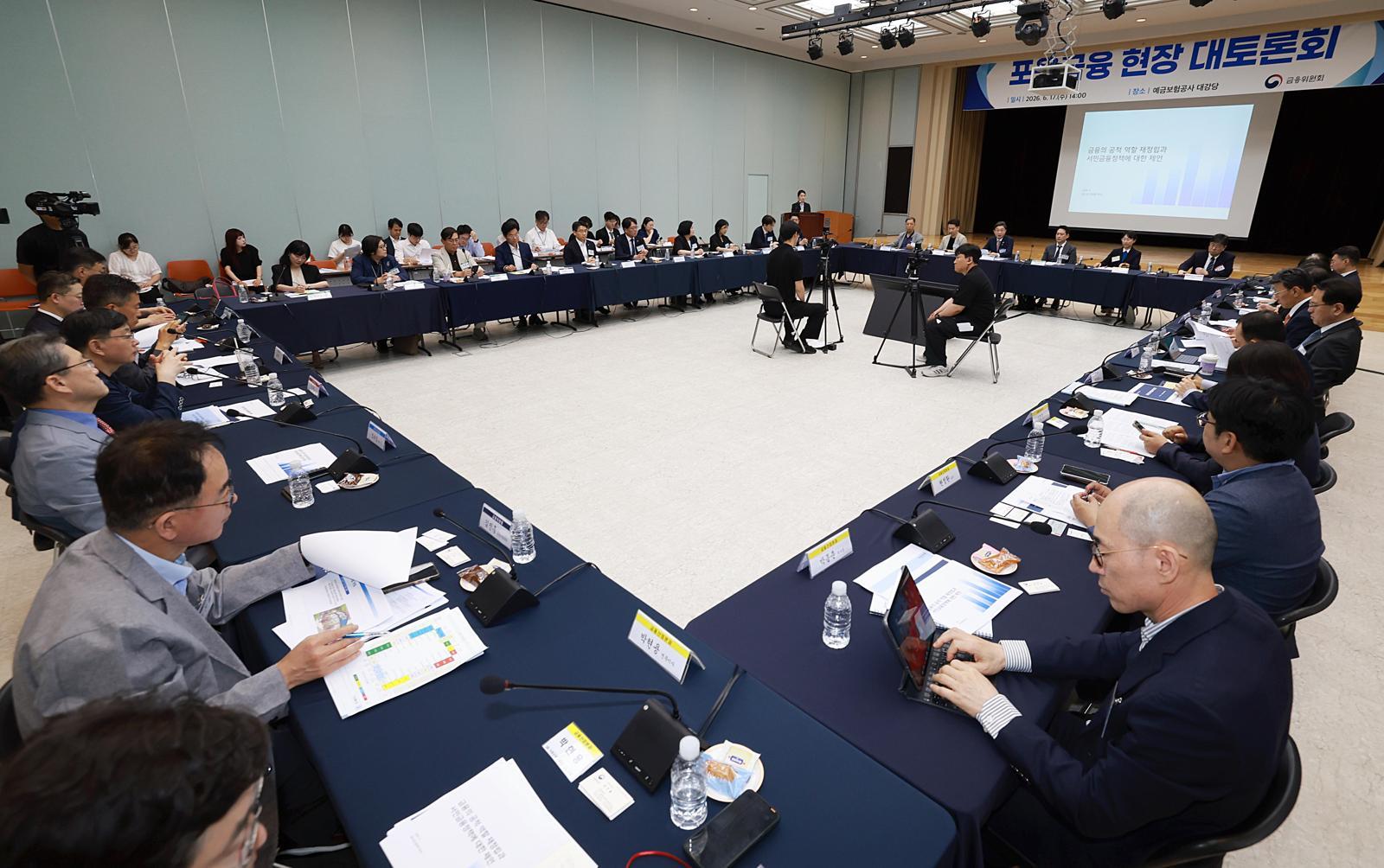
South Korea's government is promoting an "inclusive finance" policy aimed at aiding the economic recovery of vulnerable groups, particularly those with low to moderate credit scores. The initiative largely concentrates on lowering borrowing thresholds for these individuals and providing debt relief to help them re-enter the economic mainstream.
However, a notable criticism of the current policy is its relative lack of support for individuals who have just begun to fall behind on payments or whose repayment capacity is rapidly deteriorating. These individuals, while still in the low to moderate credit bracket, face a precarious situation that could lead to long-term delinquency if not addressed promptly.
Financial experts propose a more proactive approach. They advocate for creating opportunities for these individuals to transition to loans with lower interest rates. This strategy, coupled with robust risk management measures, could effectively prevent them from falling into default and help them manage their debt more sustainably.
According to financial authorities, the government is indeed increasing the supply of low-to-moderate interest rate loans for vulnerable populations. In the first half of this year, the five major financial holding companies provided 11.2912 trillion won in inclusive finance, with new loans accounting for 7.5 trillion won. A flagship inclusive finance product, "Saehopeulssi," offers loans at annual interest rates of 6-9% to individuals with low to moderate credit, thereby reducing their interest burden. Recent discussions also emphasize expanding the overall supply of such loans.
DistantNews Editorial
Originally published by Dong-A Ilbo in Korean. Translated, summarized, and contextualized by our editorial team with added local perspective. Read our editorial standards.
More Stories


From Our Blog

What Gets Lost (and Found) When News Is Translated

The Critical Role of Diaspora Media in Global News

What Travellers Should Know About Countries with Restricted Press

A Digital Nomad's Guide to Following Local News

How the Same Story Looks Different in Different Countries
