

'Inclusive' World Cup falls short as some fans shut out, rights groups say
Summarized and contextualized by DistantNews.
At a glance
News
Named sources
Context piece
- FIFA's "most inclusive" World Cup failed to live up to its promise due to strict U.S. visa policies, rights groups claim.
- Fans and workers from countries like Morocco, Egypt, and Jordan faced difficulties obtaining visas.
- FIFA and the White House did not comment on the allegations.
FIFA's promise of the "most inclusive" World Cup has fallen short, with strict U.S. visa policies preventing many fans and workers from attending, according to the Sport & Rights Alliance.
A country like Morocco, we're still struggling to look for anyone that was able, any ticket holder that was able, to get a visa for the World Cup. The same applies to Egypt, the same applies to Jordan, the same applies to Iraq, the same applies to Uzbekistan.
Despite expanding the tournament to 48 teams, FIFA's pledge to open doors to the world for the event co-hosted by the U.S., Canada, and Mexico was undermined. "A country like Morocco, we're still struggling to look for anyone that was able, any ticket holder that was able, to get a visa for the World Cup," said Ronan Evain, executive director of Football Supporters Europe. "The claim that FIFA has made welcome to the world, unite the world to the World Cup has largely failed."
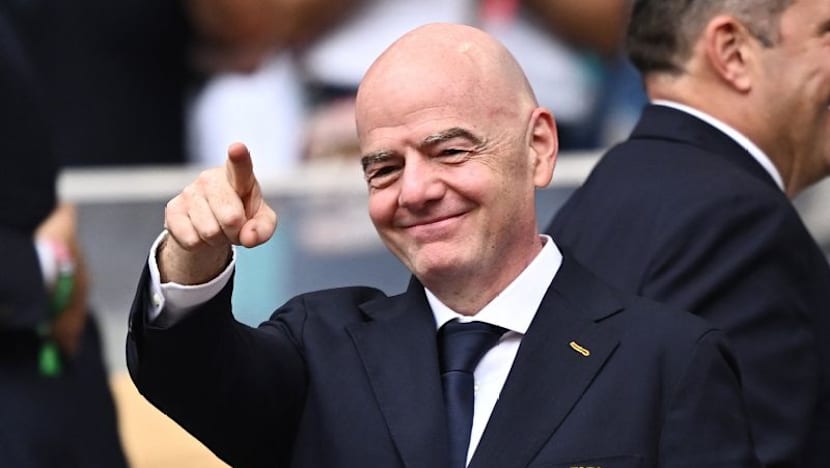
FIFA and the White House have not responded to requests for comment. FIFA President Gianni Infantino previously stated that immigration decisions rest with national authorities. U.S. Homeland Security Secretary Markwayne Mullin defended visa denials, stating his department consulted with FIFA officials. This statement came after Somali World Cup referee Omar Abdulkadir Artan was denied entry to the U.S. despite holding a valid visa, reportedly due to links with suspected terror organizations.
The claim that FIFA has made welcome to the world, unite the world to the World Cup has largely failed.
Visa issues affected several nations, with fans from countries like Senegal being significantly outnumbered. The Sport & Rights Alliance had previously raised concerns about the safety of journalists and fans, citing a "dangerous climate of fear" amid U.S. immigration policies. The alliance plans to release a detailed report on human rights issues at the tournament in September.
Chill, relax
While acknowledging positive aspects like Haiti's participation and the presence of rainbow flags, Minky Worden of Human Rights Watch noted the "inescapable" dark side of the host nation's policies. The World Cup featured notable moments, including Haiti's first participation in 52 years and Cape Verde's surprising run.
But the dark side of policies by the tournament's principal hosts has also been inescapable.
DistantNews Editorial
Originally published by CNA. Summarized and contextualized by our editorial team with added local perspective. Read our editorial standards.
More Stories


From Our Blog

What Gets Lost (and Found) When News Is Translated

The Critical Role of Diaspora Media in Global News

What Travellers Should Know About Countries with Restricted Press

A Digital Nomad's Guide to Following Local News

How the Same Story Looks Different in Different Countries
