


Incorrect Use of Weight-Loss Drugs Causes Surge in Poisoning Cases
Translated from Turkish, summarized and contextualized by DistantNews.
At a glance
News
Sources not specified
New plan
- The use of GLP-1 weight-loss drugs, particularly semaglutide, has surged globally, leading to a significant increase in poisoning cases due to incorrect usage.
- A US study revealed that poisoning cases related to these drugs have risen fivefold since the FDA approved them for weight control in late 2021.
- Experts cite lack of patient education and improper administration, such as daily injections instead of weekly and starting with high doses, as primary causes for the surge in emergency room visits.
A global surge in the popularity of GLP-1 based drugs for obesity and weight management has triggered a serious health crisis, with incorrect usage leading to a dramatic rise in poisoning cases. Particularly, the use of semaglutide-based medications has become a widespread phenomenon, but a lack of understanding about their proper application is causing severe health issues.
Recent research published in the Journal of Medical Toxicology highlights a fivefold increase in poisoning cases reported to toxicology centers in the United States since the FDA officially approved these drugs for weight control in late 2021. Before this approval, an average of 1,000 to 1,500 cases were reported annually. This number has now surpassed 8,000 cases per year.
This drug is only used by diabetics in controlled clinical settings, and the situation after its use by the general public seeking to lose weight is completely different. The public needs to be urgently educated about the biological mechanisms and long-term side effects of these drugs.
Statistical studies led by experts at the University of Texas at San Antonio (UTSA), Jordan Miller and David Han, indicate that this alarming increase is not due to intentional suicide attempts or overdoses. Instead, data scientists like David Han point to a stark difference between controlled use by diabetic patients and the widespread use by individuals seeking weight loss. "The public urgently needs to be educated about the biological mechanisms and long-term side effects of these drugs," Han warned.
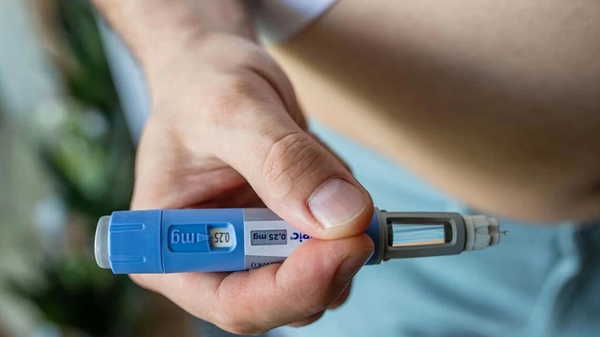
Toxicology experts have identified two critical errors contributing to the problem: patients administering the weekly injection daily, often driven by a desire for faster weight loss, and bypassing the recommended gradual dose increase (titration) by starting directly with the highest dosage. Researcher Jordan Miller explained that injecting a chemical seven times more frequently than recommended and at the maximum level causes significant metabolic damage, inevitably leading to emergency room visits. The research team advocates for better communication and education rather than outright bans to address this public health crisis.
Injecting a chemical that should be introduced slowly into the body seven times more frequently and at the highest level than you should, inevitably leads to metabolic destruction and emergency room cases.
DistantNews Editorial
Originally published by Cumhuriyet in Turkish. Translated, summarized, and contextualized by our editorial team with added local perspective. Read our editorial standards.
More Stories



From Our Blog

What Gets Lost (and Found) When News Is Translated

The Critical Role of Diaspora Media in Global News

What Travellers Should Know About Countries with Restricted Press

A Digital Nomad's Guide to Following Local News

How the Same Story Looks Different in Different Countries
